Osservatorio della Rete L'ABUSO

Tag: antonio provolo

  • Doverosa precisazione sull’articolo che uscirà domenica  9 giugno su L’ESPRESSO

    Doverosa precisazione sull’articolo che uscirà domenica 9 giugno su L’ESPRESSO

    A seguito dell’anticipazione de L’ESPRESSO, che uscirà in edicola domenica 9 giugno, l’Ufficio di Presidenza della Rete L’ABUSO (anche se omesso nell’articolo de L’ESPRESSO), autore dei tre fascicoli depositati nel gennaio del 2017 presso la Procura della Repubblica di Verona, che hanno portato alla riapertura del caso anche in Italia, al fine di dare una corretta informazione, ed essendone anche parte in causa, ritiene di dover fare alcune precisazioni a quanto anticipato da L’ESPRESSO.

    Nell’anticipazione viene riportato “Papa Francesco Bergoglio non è in alcun modo coinvolto nello scandalo e non è mai citato nelle indagini italiane e argentine. Anzi, nel 2017 ha sanzionato e commissariato la congregazione del Provolo.”

    L’affermazione che papa Francesco non sia coinvolto è inesatta, sullo stile di “Excusatio non petita, accusatio manifesta”.

    L’otto maggio 2014, infatti, proprio riferendosi al caso dell’istituto per bambini sordi Antonio Provolo di Verona, la Rete L’ABUSO e l’Associazione sordi Provolo, fanno un pesante j’accuse a papa Francesco. Lo faranno attraverso un video (pubblicato online e recapitato alla Segreteria di Stato Vaticana), nel quale, già all’epoca, denunciavamo che don Nicola Corradi era in Argentina. Quel video ebbe un’enorme diffusione, fu pubblicato online anche da Repubblica,  TGcom24 e decine di testate, sia in Italia, sia in Argentina.

    Né papa Francesco, né la Segreteria di Stato diedero mai una risposta.

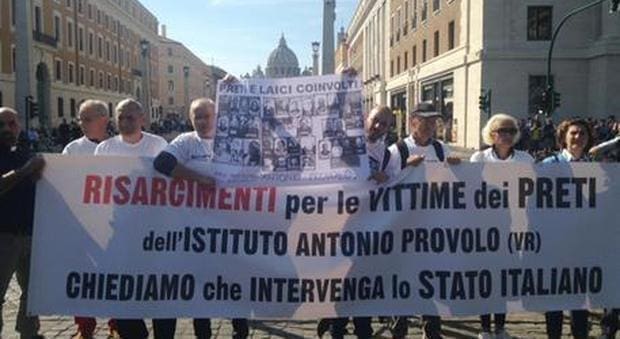
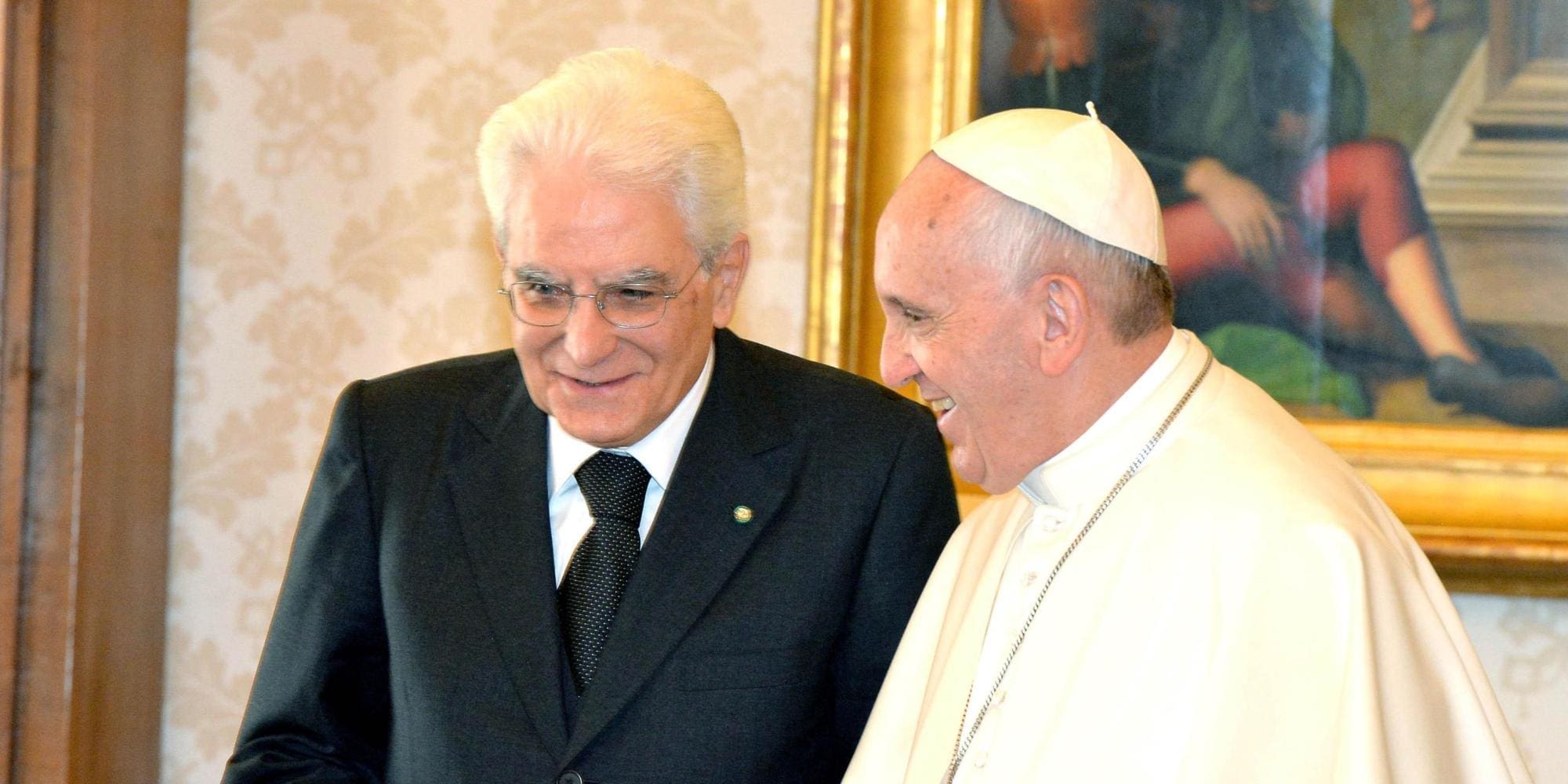
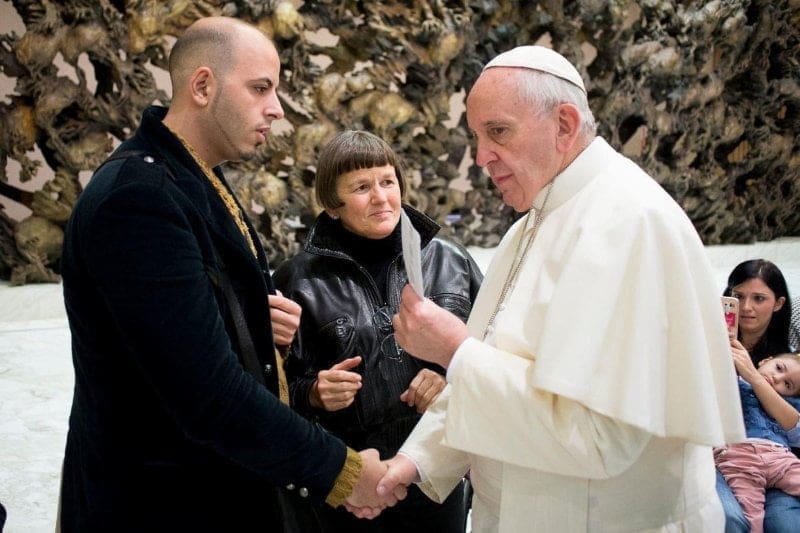
    Il 20 ottobre dello stesso anno, l’Associazione sordi Provolo ottenne udienza con il papa e in quella occasione, come si evince anche dalle foto, consegnò – questa volta di persona – una lettera a papa Francesco, nella quale si riproponeva parte della lista di preti accusati, già pubblicata in precedenza nel video.

    Naturalmente tra quei nomi c’era anche quello di don Corradi, ma papa Francesco omise qualunque intervento, sia per  lui, che per gli altri nominativi. Due anni dopo infatti, quando la giustizia argentina arresterà don Nicola Corradi, lo troverà ancora al posto di direttore dell’istituto di Mendoza.

    Inesatta anche l’affermazione che papa Francesco non è mai citato nelle indagini italiane e argentine, in quanto i tre fascicoli che hanno riaperto il caso italiano,  li abbiamo prodotti noi e papa Francesco è, in più occasioni, citato per le sue omissioni, compresi i due episodi citati sopra.

    Anche se con rammarico, queste precisazioni erano da fare.

    L’Ufficio di Presidenza

  • Pedofilia, bimbi sordomuti abusati da preti: così i religiosi “orchi” venivano protetti

    Pedofilia, bimbi sordomuti abusati da preti: così i religiosi “orchi” venivano protetti

    «Un prete italiano dichiarato latitante. Oltre venti arrestati tra sacerdoti, chierici, suore, educatori e guardiani. E centinaia di vittime: bambini sordi o sordomuti, spesso orfani e poverissimi, che denunciano anni di violenze e abusi sessuali nei collegi argentini dell’istituto religioso italiano Antonio Provolo. Una congregazione che ha il quartier generale a Verona, dove si è rifugiato il prete italiano ora ricercato dai giudici argentini, che ne hanno chiesto l’estradizione per una lunga serie di abusi raccapriccianti su minorenni invalidi».

    “L’Espresso”, nel numero in edicola da domenica 9 giugno, pubblica un’inchiesta giornalistica internazionale sul più grave scandalo di pedofilia nella Chiesa cattolica italiana ed argentina. Gli atti giudiziari su decine di casi di pedofilia emersi a Buenos Aires a partire dal 2016, quando furono arrestati i primi religiosi dell’istituto Provolo, riguardano i collegi di La Plata e Mendoza, fondati e diretti da sacerdoti italiani ora inquisiti. Nelle ordinanze d’arresto, finora inedite, i giudici argentini scrivono che i piccoli sordomuti senza famiglia venivano sottoposti a violenze e maltrattamenti che «in nulla si differenziano dalla tortura» e «riduzione in schiavitù».

    Gli abusi sui bambini, secondo le testimonianze delle vittime, sono «iniziati più di 50 anni fa e proseguiti fino al 2015 almeno». Secondo l’inchiesta, realizzata da L’Espresso in collaborazione con i cronisti argentini della testata investigativa Perfil, «per decenni i vertici dell’istituto Provolo, sia in Italia che in Argentina, si limitavano a trasferire i sacerdoti sospettati di pedofilia, senza punirli né denunciarli alla giustizia. Per questo gli abusi sui bambini hanno potuto ripetersi in altre scuole e collegi, dagli anni ’70 fino agli arresti di questi mesi, spesso con gli stessi protagonisti. Che dall’Italia hanno contagiato l’Argentina. Le violenze nei collegi di La Plata e Mendoza – scrive il settimanale – iniziano in coincidenza con l’arrivo di religiosi italiani trasferiti da Verona per ‘immoralità sessualè, ma rimasti sacerdoti e mandati a dirigere i centri argentini per minorenni sordomuti».

    In Italia lo scandalo degli abusi sui bambini nei centri veronesi dell’istituto Provolo era stato scoperchiato nel gennaio 2009 da un’inchiesta giornalistica dell’Espresso, firmata da Paolo Tessadri, che aveva pubblicato le prime testimonianze, scritte e firmate, di 15 vittime. «La successiva istruttoria ecclesiastica, condotta dalla Congregazione per la dottrina delle fede, è stata chiusa però nel 2011 con risultati quasi totalmente assolutori: gli atti, finora inediti, documentano che è stato giudicato colpevole un solo sacerdote, su un totale di 26 accusati, mentre decine di vittime non sono state mai ascoltate – rileva l’Espresso – Tra i religiosi scagionati da quell’inchiesta religiosa compaiono anche preti italiani ora agli arresti in Argentina.

    Le carte inoltre mostrano che per cancellare ogni accusa su uno storico vescovo veronese, morto nel 1980 e dichiarato beato nel 2015, è stato utilizzato un documento-chiave che oggi risulta ‘falsificatò». «Papa Francesco Bergoglio – conclude il settimanale – non è in alcun modo coinvolto nello scandalo e non è mai citato nelle indagini italiane e argentine. Anzi, nel 2017 ha sanzionato e commissariato la congregazione del Provolo».

    https://www.ilmessaggero.it/italia/pedofilia_verona_vaticano_preti_bambini_istituto_provolo-4543411.html?fbclid=IwAR1rGG4uykOnogi9N4YCM6SLreLZPwW3wfo4STWg-yTCnVmlJNY11AZOBuE

  • Abusi sessuali su bambini sordomuti, gli orrori dell’Istituto religioso italiano in Argentina

    Abusi sessuali su bambini sordomuti, gli orrori dell’Istituto religioso italiano in Argentina

    L’Istituto Antonio Provolo, che ha delle sedi in Argentina, è al centro di un gravissimo scandalo di pedofilia rivelato da L’Espresso

    Nell’Espresso in edicola questa domenica viene denunciato quello che viene definito “il più grave scandalo di pedofilia della Chiesa Cattolica italiana e argentina”: un prete italiano, infatti, si è rifugiato a Verona, presso il quartier generale della congregazione dell’Istituto Antonio Provolo, in quanto ricercato dalle autorità giudiziarie argentine per essere stato complice, insieme a una ventina di altri colpevoli tra preti, suore, chierici, educatori e guardiani, di una serie di raccapriccianti abusi sessuali ai danni di bambini sordomuti, spesso orfani e poverissimi, avvenuti in Argentina nel collegi dell’Istituto.
    Gli atti giudiziari su decine di casi di pedofilia emersi a Buenos Aires a partire dal 2016, quando furono arrestati i primi religiosi dell’istituto Provolo, riguardano i collegi di La Plata e Mendoza, fondati e diretti da sacerdoti italiani ora inquisiti. Nelle ordinanze d’arresto, finora inedite, i giudici argentini scrivono che i piccoli sordomuti senza famiglia venivano sottoposti a violenze e maltrattamenti che “in nulla si differenziano dalla tortura” e “riduzione in schiavitù”. Gli abusi sui bambini, secondo le testimonianze delle vittime, sono “iniziati più di 50 anni fa e proseguiti fino al 2015 almeno”.
    Secondo l’inchiesta, realizzata da L’Espresso in collaborazione con i cronisti argentini della testata investigativa Perfil, “per decenni i vertici dell’istituto Provolo, sia in Italia che in Argentina, si limitavano a trasferire i sacerdoti sospettati di pedofilia, senza punirli né denunciarli alla giustizia. Per questo gli abusi sui bambini hanno potuto ripetersi in altre scuole e collegi, dagli anni ’70 fino agli arresti di questi mesi, spesso con gli stessi protagonisti. Che dall’Italia hanno contagiato l’Argentina. Le violenze nei collegi di La Plata e Mendoza – scrive il settimanale – iniziano in coincidenza con l’arrivo di religiosi italiani trasferiti da Verona per ‘immoralità sessuale’, ma rimasti sacerdoti e mandati a dirigere i centri argentini per minorenni sordomuti”.
    In Italia lo scandalo degli abusi sui bambini nei centri veronesi dell’istituto Provolo era stato scoperchiato nel gennaio 2009 da un’inchiesta giornalistica dell’Espresso, firmata da Paolo Tessadri, che aveva pubblicato le prime testimonianze, scritte e firmate, di 15 vittime.
    “La successiva istruttoria ecclesiastica, condotta dalla Congregazione per la dottrina delle fede, è stata chiusa però nel 2011 con risultati quasi totalmente assolutori: gli atti, finora inediti, documentano che è stato giudicato colpevole un solo sacerdote, su un totale di 26 accusati, mentre decine di vittime non sono state mai ascoltate – rileva l’Espresso – Tra i religiosi scagionati da quell’inchiesta religiosa compaiono anche preti italiani ora agli arresti in Argentina. Le carte inoltre mostrano che per cancellare ogni accusa su uno storico vescovo veronese, morto nel 1980 e dichiarato beato nel 2015, è stato utilizzato un documento-chiave che oggi risulta ‘falsificato’”.
    “Papa Francesco Bergoglio – conclude il settimanale – non è in alcun modo coinvolto nello scandalo e non è mai citato nelle indagini italiane e argentine. Anzi, nel 2017 ha sanzionato e commissariato la congregazione del Provolo”.

    https://www.globalist.it/world/2019/06/07/abusi-sessuali-su-bambini-sordomuti-gli-orrori-dell-istituto-religioso-italiano-in-argentina-2042576.html?fbclid=IwAR3XrjKrEPQbRfETCm0KWFoGnF-GmcGwdg2y9uiV1M0LvaBHgKSmCV_Itgc

  • Bimbi sordi abusati da preti pedofili: si riscoperchia lo scandalo insabbiato in Italia

    Bimbi sordi abusati da preti pedofili: si riscoperchia lo scandalo insabbiato in Italia

    Un prete italiano dichiarato latitante. Oltre venti religiosi arrestati. In Argentina le indagini travolgono un istituto religioso di Verona. Dove un’istruttoria ecclesiastica ha ignorato le denunce di decine di vittime rivelate dall’Espresso. Ecco la nuova inchiesta giornalistica internazionale in edicola da domenica 9 giugno

    Un prete italiano dichiarato latitante. Oltre venti arrestati tra sacerdoti, chierici, suore, educatori e guardiani. E centinaia di vittime: bambini sordi, spesso orfani e poverissimi, che denunciano anni di violenze e abusi sessuali nei collegi argentini dell’istituto religioso italiano Antonio Provolo. Una congregazione che ha il quartier generale a Verona, dove si è rifugiato il prete italiano ora ricercato dai giudici argentini, che ne hanno chiesto l’estradizione per una lunga serie di abusi raccapriccianti su minorenni invalidi.
    L’Espresso, nel numero in edicola da domenica 9 giugno e online su Espresso+ , pubblica un’inchiesta giornalistica internazionale sul più grave scandalo di pedofilia nella Chiesa cattolica italiana e argentina. Gli atti giudiziari su decine di casi di pedofilia emersi a Buenos Aires a partire dal 2016, quando furono arrestati i primi religiosi dell’istituto Provolo, riguardano i collegi di La Plata e Mendoza, fondati e diretti da sacerdoti italiani ora inquisiti. Nelle ordinanze d’arresto, finora inedite, i giudici argentini scrivono che i piccoli sordomuti senza famiglia venivano sottoposti a violenze e maltrattamenti che «in nulla si differenziano dalla tortura» e «riduzione in schiavitù». Gli abusi sui bambini, secondo le testimonianze delle vittime, sono «iniziati più di 50 anni fa e proseguiti fino al 2015 almeno».
    L’inchiesta, realizzata da L’Espresso in collaborazione con i cronisti argentini della testata investigativa Perfil, documenta che per decenni i vertici dell’istituto Provolo, sia in Italia che in Argentina, si limitavano a trasferire i sacerdoti sospettati di pedofilia, senza punirli né denunciarli alla giustizia. Per questo gli abusi sui bambini hanno potuto ripetersi in altre scuole e collegi, dagli anni ’70 fino agli arresti di questi mesi, spesso con gli stessi protagonisti. Che dall’Italia hanno contagiato l’Argentina. Le violenze nei collegi di La Plata e Mendoza iniziano in coincidenza con l’arrivo di religiosi italiani trasferiti da Verona per «immoralità sessuale», ma rimasti sacerdoti e mandati a dirigere i centri argentini per minorenni sordi.
    In Italia lo scandalo degli abusi sui bambini nei centri veronesi dell’istituto Provolo era stato scoperchiato nel gennaio 2009 da un’inchiesta giornalistica dell’Espresso, firmata da Paolo Tessadri, che aveva pubblicato le prime testimonianze, scritte e firmate, di 15 vittime.
    La successiva istruttoria ecclesiastica, condotta dalla Congregazione per la dottrina delle fede, è stata chiusa però nel 2011 con risultati quasi totalmente assolutori: gli atti, finora inediti, documentano che è stato giudicato colpevole un solo sacerdote, su un totale di 26 accusati, mentre decine di vittime non sono state mai ascoltate. Tra i religiosi scagionati da quell’inchiesta religiosa compaiono anche preti italiani ora agli arresti in Argentina. Le carte inoltre mostrano che per cancellare ogni accusa su uno storico vescovo veronese, morto nel 1980 e dichiarato beato nel 2015, è stato utilizzato un documento-chiave che oggi risulta «falsificato». Mentre l’attuale vescovo Giuseppe Zenti, aperto sostenitore dei cattolici ultra-integralisti e della Lega, è stato interrogato in gran segreto nel 2017 sul caso Provolo dal procuratore di Verona e ha ammesso di aver dovuto patteggiare una condanna per aver diffamato l’associazione delle vittime.
    Papa Francesco Bergoglio non è in alcun modo coinvolto nello scandalo e non è mai citato nelle indagini italiane e argentine. Anzi, nel 2017 ha sanzionato e commissariato la congregazione del Provolo.
    http://espresso.repubblica.it/attualita/2019/06/07/news/bimbi-sordomuti-abusati-da-preti-pedofili-in-argentina-esplode-lo-scandalo-insabbiato-in-italia-1.335817?ref=HEF_RULLO&fbclid=IwAR2EhfNJbMzTKOo1_aIWCPx9NX_0FBjRay67uVymjInPv6kbmetrfnkuAn4
  • That tacit agreement between the State and the Church that guarantees the impunity of Catholic priests from prison in Italy

    That tacit agreement between the State and the Church that guarantees the impunity of Catholic priests from prison in Italy

    Geneva 7 February 2019; “The Committee is concerned about the numerous cases of children being sexually abused by religious personnel of the Catholic Church in the territory of the Member State and for the low number of criminal investigations and prosecutions by the Italian judiciary”.

    di Francesco Zanardi – These are not our words but those of the United Nations High Commissioner for Human Rights, more precisely those contained in the recommendations of 7 February (point 21 of the report) that the Committee for the Rights of the Child disputes with Italy – in this case – against the Italian Justice, but continuing, in the same document, also against the Italian Government defaulting and conniving, to the detriment of Italian minors “sacrificed to the clergy” for mere diplomatic relationship, with a foreign state, leader in the world for pedophilia: the Vatican.

    What I will tell you has been widely documented and confirmed also by two investigative journalists, Emanuela Provera and Federico Tulli, who have even made a book “Giustizia divina” (publisher-Chiarelettere)

    It all starts in 2014, when, after four years of activity of the newly formed Associazione Rete LʻABUSO, the documents of the various criminal cases that the association was following throughout Italy starting to arrive.

    I began to notice, in various precautionary measures of the various prosecutors of the Republic of our peninsula, that many priests under investigation and under house arrest, many of them ended up in five structures, scattered from north to south of Italy. Although I had noticed this, I didn’t get to anything specific.

    But in November 2016, in the middle of the night and seized by euphoria, my colleague from the Verona association for deaf students who were abused in the Catholic Institute Antonio Provolo in Verona, called me. He told me that Don Nicola Corradi (a paedophile priest who fled Verona in 1970) was arrested in Mendoza (Argentina). With him three other people.

    The colleague asks me for help, they have thirty years of papers of the alleged victims (a hundred deaf children, now adults, who have never obtained justice), of the 27 priests and lay brothers accused of abuses in the Provolo of Verona, an infinite correspondence between them and the diocese. But in that tide of documents produced, they didn’t know where to start.

    The folder was actually huge and incomprehensible to me, I didn’t even know the facts well, nor the characters. I decided then to make the first selection, eliminating all the documentation relating to deceased priests, and other data at that time not detected or incomprehensible, which I later saw again in a clearer context.

    It was during that selection that at a certain point I arrived at Don Giuseppe Pernigotti. My eye fell on him because the Provolo Institute is a Congregation of Pontifical Right and the congregations, in general, even when they transfer them, always keep the priests inside them. Don Pernigotti instead no. It was, in my opinion strangely, to Fabrica (VT). I thought that I had to go deeper.

    I searched on the internet and “tombola”, at first sight, I discover that Don Pernigotti was the President of the FIAS (Italian Federation of Priest Assistance) and while surfing the site, I understood about the FIAS assistance structures. A blow came to me, they were the same structures that returned to me in the documents of the various Italian prosecutors, the same to which the suspected priests were entrusted to the domiciliation. (Data confirmed by the heads of the structures and contained in the book-inquiry Divine Justice)

    I decide that the issue must be deepened, but I don’t know how: a similar investigation is very expensive, and Rete L’Abuso does not have the resources.

    I spent a few weeks, crossing the data I acquired. They were all connected, but I didn’t understand, until an LA7 journalist, Luca Bertazzoni, calls me asking if I had any case. I take the ball by introducing Don Pernigotti as one of the accused by Provolo’s students. I told Bertazzoni that I found him at Fabrica, where, in the meantime, I had sent an associate of ours to verify that he was the same Pernigotti of the Provolo. Luca Bertazzoni did the service, here he is:

    Link to the video:

    It emerges that Don Giuseppe Pernigotti manages or, at least, is at the head of a structure that appears to be assisting priests, but favouring them with a series of professionals and solutions that help them avoid civil justice. In the follow up of my investigation I discover that the FIAS is present throughout Italy, the one managed by Pernigotti was only the headquarters, whose website disappeared immediately after the service of LA7.

    Finally, in my mind, many circles had closed and what was previously smoky, now it was very clear, too much. But who was I going to tell him about? I also knew that it was Justice itself that entrusted those under suspicion or the condemned to those facilities.

    However, thanks to that service by Bertazzoni, who had pretended to be a pedophile priest and to whom don Giuseppe Pernigotti gave a “pizzino” with the indications, names and phone numbers to which to turn, I made a more detailed check. In the “pizzino” indicated the Agape Community that I already knew, but going deeper I will discover something that worries me. The Community is based in Via Forte Bravetta 338 (in the map on the side is indicated by the purple square) and borders with the Department of Penitentiary Administration, the National Autonomous Police Union and a dislocated seat of the Ministries of Grace and Justice. Of course from there, to advance and argue that there was a “cover-up” network run by the church and tolerated by the Italian state, what I had was not enough.

    While deepening all this, I had repeatedly compared myself with one of the two authors of the book, Federico Tulli, a person I have known since 2010, whom I esteem and trust and with whom I often compare myself as he is also very experienced in the subject, already author of two books: “Church and pedophilia” and “Church and pedophilia the Italian case”.

    Federico and Emanuela had already begun to investigate since the beginning of 2015, launching a journalistic investigation that will last almost three years, visiting these structures in person, interviewing those who direct them and documenting them. During their investigation, the number of facilities rises to 18, today we have identified 21.

    What are these structures and how do they provide the clergy with impunity from prison?

    (as you will discover in the book “Giustizia Divina” not only to paedophile priests)

    As also confirmed by Provera and Tulli, who were able to enter in those structures, they appear as normal pensioners, with bedrooms, common areas, TVs etc. There is no control of the police, as normally happens to those who are under house arrest. You can receive visits, or at least nothing prevents it.

    You can enter and exit with extreme ease. A group of priests in 2016 have confirmed that: worried about the comings and goings of faces known to the judicial chronicles,  they pointed out the Villa Sacro Cuore (PG) structure.

    But the most sensational case, which once again confirms the criticality as well as the lightness of the “home detentions” enjoyed by the clergy, is the case of Don Ruggero Conti, definitively sentenced to 14 years on the charge of having abused 7 children between 10 and 12 years old. He never did a day in jail (health reasons), he too was entrusted to a facility (which we will later discover used to care for adolescents) from which, without difficulty, in September 2017 he escaped, with so much money at his disposal to afford a taxi from Rome to Milan.

    These are just a few cases and they are by no means the reason why Rete L’Abuso is firmly convinced – at this point, as we shall see, until there is evidence to the contrary – that exists between the Italian State and the Church, a tacit agreement that guarantees to the clergy impunity from prison.

    We provide some numbers and some other data

    From how it emerges on our map, removed the priests still awaiting trial, we count in the last 15 years, in Italy, at least 143 sentences definitively, we ignore which is the real submerged.

    The authors of the book “Divine Justice” took the trouble, not only to verify what I claimed about the structures but, having removed the juvenile and female prisons, they asked the other 191 Italian prison facilities, how many priests have in charge.

    125 prisons replied; only five priests, one of whom was convicted of pedophilia.

    And all the others, what happened to them?

    The perception for public opinion is that justice takes its course and condemnations, while instead most often do not make a single day in prison, on the contrary, the anomaly at this point rises on those 4 plus the 5th paedophile, who had a similar difference in treatment compared to other colleagues.

    But the “holy” privileges and “divine” immunities that the Italian State provides to the clergy, unfortunately, are not limited to this and the damage to society, on this turn, is even worse.

    I speak of the c.d. anti-pedophilia certificate, from which, by courtesy of the legislator, the clergy is exempt. And it is here that the connivance between state and church really scrapes the bottom of the barrel because on the constitutional basis it is already anomalous that a category should be privileged with this exemption: privileging only the priests would have been really too conspicuous and so, our legislator, not has exempted the priests, but precisely the whole category to which they belong, volunteering. Paradoxically, the category has always been more at risk.

    Thanks to this luminary choice of the legislator – which legally becomes a civil responsibility – today paedophiles, not just priests, know that the Italian state has reserved volunteering for them, as a fertile hunting ground.

    One of our legal advisors, the lawyer Mario Caligiuri of the Court of Rome (holder of the dossier in question) explains, with regard to the canonical rite, that “In this way it is generated by another court, in advance of the celebration of the ordinary rite, an unreasonable imbalance in favour of the alleged abuser »

    “Not only is the assistance of the defender of those who has denounced the abuse not admitted in the ecclesiastical justice hall, but above all the psychological support of technicians with proven experience legitimized to work because the victim, a person who has suffered one, is denied. emotional upheaval does not incur the creation of false memories. Until it fails to comply with the provisions for the care and support of victims of the Lanzarote Convention “.

    “Thinking about counter-examination, the most disturbing figure emerges from the side of constitutional guarantees.

    The defence of a priest, already accused of abuses by the Vatican, has the advantage of acquiring, before the possible Italian trial, the narrative re-enactment that the victim will give of the historical fact, the weak points on which to tread the hand, the peculiarities even character, its emotional reality ».

    With this information, you have the chance to make it fall into contradiction. “It is no coincidence that the reciprocal study of the adversary is a given that lawyers treat a lot in the processes – confirms Caligiuri -. We are therefore in the presence of unequal treatment in favour of Catholic priests compared to any other Italian citizen ».

    In 2012, Italy ratified this protocol for the protection of children against sexual exploitation and sexual abuse. Countries that are not members of the Council of Europe can also join, but the Vatican has never done so.

    However, the canonical trials take place in the dioceses, on Italian soil, and this is, in fact, a violation by the church that, thanks to the complicity of the Italian institutions, which pretend not to see, finds not only the constitutional guarantees of citizens disregarded but also various international treaties and conventions to which Italy has adhered.

    But there is more to support our accusations against the state. The complicit silence of the institutions

    “An important excerpt from the movie Spotlight, at the end he cites those that in 2000, like today in Italy, were the centers that Rete L’Abuso and the book “Divine Justice”, we denounce today in Italy”. Richard Sipe, who worked in the treatment centers and who in this article we cite for his report, as part of the “Projections” on the phenomenon in Italy is already mentioned.

    Among the most industrialized countries, Italy is the only one that has never considered – despite the impressive data emerging from other countries – the need to quantify the extent of the phenomenon.

    The Irish colleague Mark Vincent Healy, an expert on statistics, based on the data emerged from the governmental inquiry commissions carried out all over the world has produced a projection of the Italian data, the extent of the abuses in Italy has the potential to be the greatest of any country.

    And yet we did not lack the stimuli and requests to the Government to tackle the problem.

    – On 27 September 2017, thanks to the Deputy Matteo Mantero, Rete L’Abuso manages to deposit in Italy the first parliamentary question addressed to PRESIDENCY OF THE COUNCIL OF MINISTERS, MINISTRY OF THE INTERIOR, MINISTRY OF JUSTICE, MINISTRY OF FOREIGN AFFAIRS AND COOPERATION INTERNATIONAL. To date, no answer, the question still lies on the website of the Chamber of Deputies.

    –On 19 February 2018, through the lawyer Mario Caligiuri, the ABUSE Network sends a warning to the following institutions; PRESIDENCY OF THE REPUBLIC, PRESIDENCY OF THE COUNCIL OF MINISTERS, REGIONAL INFORMATION CENTER OF THE UNITED NATIONS – UN COMMITTEE FOR THE RIGHTS OF THE CHILD, PRESIDENCY OF THE 12TH SOCIAL AFFAIRS COMMISSION.

    Also, in this case, there will be no response from the Italian institutions.

    –On October 18, 2018, again the Lawyer Mario Caligiuri, on behalf of Rete L’Abuso, denounces the Government to the Judicial Authority, based on the non-response and the consequent serious non-fulfilment by the State against minor citizens, already known from previous communications.

    A few days later, this file will also be archived. Although it contained news of a crime, the Public Prosecutor’s Office limited itself, in the reasons, to file for territorial incompetence.

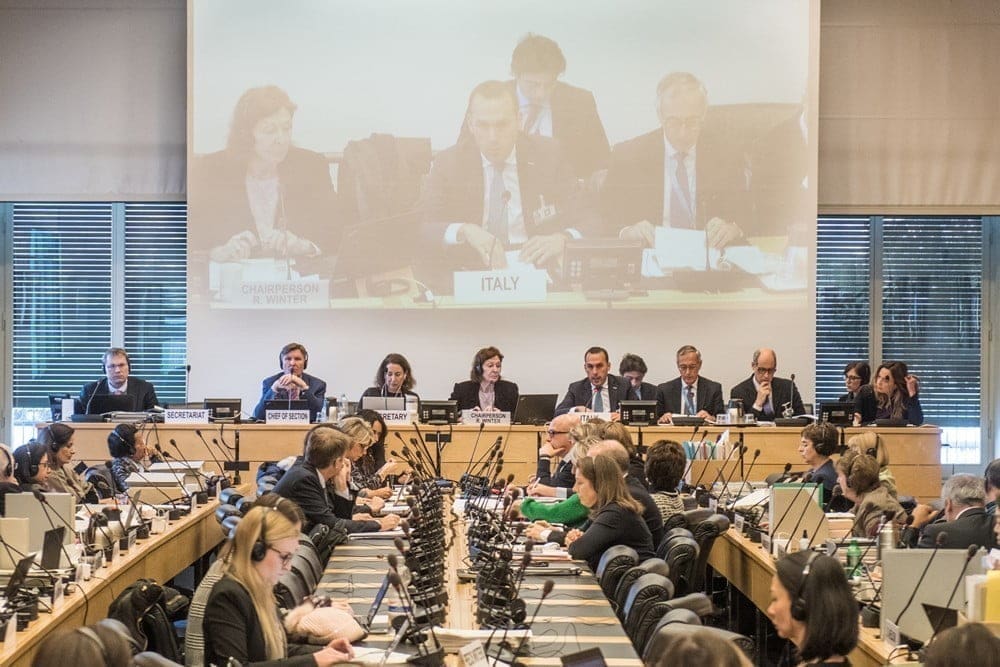
    The whole affair was reported by the Associazione Rete L ‘ABUSO, to the United Nations High Commissioner for Human Rights, among the documents of the 80th section held in Geneva on 22 and 23 January.

    On 7 February 2019, the Committee for the Rights of the Child of the United Nations gave us reason, disputing to the Italian State the points we report below, which only concern the matter that Rete the ABUSE, by Statute, pursues. (here the full text in Italian)

    The video of the UN Committee Member Jorge Cardona who raised the topic during the two days of the session, is also shown on the video. The intervention is very short, the Italian State, even in that place did not give answers but limited itself to exposing, as measures, the same points that were the subject of the dispute.

    Video of the interrogation of UN to Italy:

    Below, in point 21 of the recommendations of the Committee for the Rights of the Child, as contested by Italy by the United Nations. Here are the points raised in our “Justice Report on the Italy case” speaker for the Network LUSA ABUSO Francesco Zanardi.

    Exploitation and sexual abuse

    1. Welcomes the national plan for preventing and combating the abuse and sexual exploitation of children 2015-2017 and the revitalization of the Observatory to combat pedophilia and child pornography, the Committee is concerned about the many cases of children victims of sexual abuse by religious personnel of the Catholic Church in the territory of the Member State and for the low number of criminal investigations and prosecutions by the Italian judiciary. With reference to its previous recommendations (CRC / C / ITA / CO / 3-4, par. 75) and to the general comment n. 13 (2011) on the child’s right to freedom and against all forms of violence against him and taking note of Objective 16.2 for Sustainable Development, the Committee recommends that Italy:

    (a) Adopt, with the active involvement of children, a new national plan to prevent and combat the abuse and sexual exploitation of children and ensure their uniform implementation throughout its territory and at all levels of government;

    (b) Establish an independent and impartial commission of inquiry to examine all cases of sexual abuse of children by Catholic Church religious personnel;

    (c) Guarantee the transparent and effective investigation of all cases of sexual violence allegedly committed by religious personnel of the Catholic Church, the prosecution of the alleged perpetrators, the adequate criminal punishment of those who have been found guilty, and the compensation and rehabilitation of child victims, including those who have become adults;

    (d) Establish sensitive channels for children, for children and others, to report on the violence suffered;

    (e) Protect children from further abuse, inter alia by ensuring that people convicted of child abuse are prevented and dissuaded from contact with children, particularly at a professional level;

    (f) Undertake all efforts towards the Holy See to remove obstacles to the effectiveness of criminal proceedings against the Catholic Church’s religious suspected of violence against minors, particularly in the Lateran Pacts revised in 1985, to combat impunity of such acts;

    (g) To make the reporting of any alleged violence against children to the competent authorities of the Member State obligatory for everyone, even for the religious personnel of the Catholic Church;

    (h) Amend the legislation implementing the Lanzarote Convention to ensure that it does not exclude volunteering, including the Catholic Church’s religious personnel, from its prevention and protection tools.

    With the Motu Proprio, Pope Francis confirms impunity from the penal trial for priests who abuse minors outside the Vatican and embassies.

    It would be advisable, as well as a duty to report, for constitutional duty, that the press ask the State to account for this serious situation. But except for the Left magazine, which in recent years has given visibility to the case, everything is silent, despite our complaints.

    Francesco Zanardi

    President of the ABUSE Network (Association of survivors of sexual abuse of the clergy)

    among the founding members of the international ECA Global

    and President of the Human Rights Connect ABUSE Network

  • Quel tacito accordo tra lo Stato e la Chiesa che garantisce l’impunita dal carcere a sacerdoti Cattolici

    Quel tacito accordo tra lo Stato e la Chiesa che garantisce l’impunita dal carcere a sacerdoti Cattolici

    Ginevra 7 febbraio 2019; “Il Comitato è preoccupato per i numerosi casi di bambini vittime di abusi sessuali da parte di personale religioso della Chiesa Cattolica nel territorio dello Stato Membro e per il basso numero di indagini criminali e azioni penali da parte della magistratura italiana”.

    Queste non sono parole nostre ma dell’Alto Commissariato per i Diritti Umani delle Nazioni Unite, più precisamente quelle contenute nelle raccomandazioni del 7 febbraio scorso (punto 21 del report) che il Comitato per i diritti del fanciullo contesta all’Italia – in questo caso – nei confronti della Giustizia italiana, ma che proseguono, nello stesso documento, anche nei confronti del Governo italiano inadempiente e connivente, a danno di cittadini minorenni italiani “sacrificati al clero” per mero rapporto diplomatico, con uno stato estero, leader nel mondo per la pedofilia: il Vaticano.

    Quanto vi racconterò è stato ampiamente documentato e confermato anche da due giornalisti d’inchiesta, Emanuela Provera e Federico Tulli, che ne hanno fatto persino un libro “Giustizia divina” (editore-Chiarelettere)

    Tutto ha inizio nell’anno 2014, quando, dopo quattro anni di attività dell’allora neonata Associazione Rete L’ABUSO, iniziano ad arrivare i documenti dei vari casi penali che l’associazione stava seguendo in tutta Italia.

    Iniziai a notare, in diversi  provvedimenti cautelari delle varie Procure della Repubblica della nostra penisola, che sacerdoti indagati, e costretti ai domiciliari, all’epoca molti di loro finivano in cinque strutture, sparse da nord a sud dell’Italia.  Malgrado avessi notato questa cosa, allora non arrivai a nulla di preciso.

    Ma nel novembre  del 2016, in piena notte e preso dall’euforia, mi chiama il collega dell’associazione veronese degli ex allievi sordi, abusati nell’istituto cattolico Antonio Provolo di Verona. Mi comunica che don Nicola Corradi (un prete pedofilo fuggito da Verona nel 1970) è stato arrestato a Mendoza (Argentina). Con lui altre tre persone.

    Il collega mi chiede aiuto, hanno trenta anni di carte delle presunte vittime (un centinaio di bambini sordi, oggi adulti, che non hanno mai ottenuto giustizia), dei 27 tra sacerdoti e fratelli laici accusati di abusi nel Provolo di Verona, un infinito carteggio tra loro e la diocesi… ma in quella marea di documenti prodotti, non sapevano da dove partire.

    Il faldone era effettivamente enorme e per me incomprensibile, non conoscevo neppure bene i fatti, né i personaggi. Decisi allora di fare una prima cernita, eliminando tutta la documentazione relativa a sacerdoti deceduti, e altri dati in quel momento non rilevati o incomprensibili, che poi rividi successivamente in un contesto più chiaro.

    Fu proprio durante quella selezione che ad un certo punto arrivai a don Giuseppe Pernigotti. Mi cadde l’occhio su di lui perché l’Istituto Provolo è una Congregazione di Diritto Pontificio e le congregazionei, in genere, anche quando li trasferiscono, mantengono sempre i sacerdoti al loro interno. Don Pernigotti invece no. Era, a mio avviso stranamente, a Fabrica (VT). Ritenni di dover approfondire.

    Cercai su internet e… tombola, al primo colpo scopro che don Pernigotti è il Presidente della FIAS (Federazione italiana assistenza sacerdoti) e mentre navigo nel sito, capito sulle strutture di assistenza FIAS. Mi venne un colpo, erano le stesse strutture che mi ritornavano nei documenti delle varie Procure italiane, le stesse alle quali venivano affidati ai domiciliari i sacerdoti indagati. (Dato confermato dai responsabili delle strutture e contenuto nel libro-inchiesta Giustizia divina)

    Decido che la questione debba essere approfondita, ma non so come: un’indagine simile è molto dispendiosa, la Rete L’ABUSO non ha i mezzi.

    Passo qualche settimana, incrociando i dati che acquisivo, erano tutti collegati, ma non capivo, finchè non mi chiama il giornalista de LA7 Luca Bertazzoni chiedendomi se avevo qualche caso. Colgo la palla al balzo introducendo don Pernigotti come uno degli accusati dagli ex allievi del Provolo. Dico a Bertazzoni che lo ho trovato a Fabrica, dove, nel frattempo, avevo mandato un nostro associato per verificare che fosse lo stesso Pernigotti del Provolo. Luca Bertazzoni fa il servizio, eccolo

    Emerge che don Giuseppe Pernigotti gestisce o, almeno, è a capo di una struttura che da quanto appare assiste sì i sacerdoti, ma favoreggiandoli con una serie di professionisti e di soluzioni che li aiutano a evitare la giustizia civile. Nel proseguo della mia indagine scoprirò che la FIAS è presente in tutta Italia, quella gestita da Pernigotti era solo la sede centrale, il cui sito web scomparì subito dopo il servizio de LA7.

    Finalmente, nella mia mente, molti cerchi si erano chiusi e quello che prima era fumoso, adesso era chiarissimo, fin troppo. Ma a chi lo andavo a dire? Sapevo anche che era la stessa Giustizia ad affidare a quelle strutture gli indagati con restrizioni o i condannati.

    Grazie però a quel servizio di Bertazzoni, che si era finto un prete pedofilo e al quale don Giuseppe Pernigotti diede un “pizzino” con le indicazioni, nomi e numeri di telefono ai quali rivolgersi, feci un controllo più approfondito. Nel “pizzino” era indicata la Comunità Agape che già conoscevo, ma approfondendo scoprirò qualcosa che mi inquieta. La Comunità ha sede in via Forte Bravetta 338 (nella mappa a lato è indicata dal quadrato viola) e confina con il Dipartimento dell’Amministrazione Penitenziaria, il Sindacato Nazionale Autonomo di Polizia e una sede dislocata dei Ministeri di Grazia e Giustizia. Certo che da li, ad avanzare e sostenere che ci fosse una rete di “insabbiamento” gestita dalla chiesa e tollerata dallo Stato italiano, quello che avevo non bastava.

    Mentre approfondivo tutto ciò, mi ero più volte confrontato con uno dei due autori del libro, Federico Tulli, una persona che conosco dal 2010, di cui ho stima e fiducia e con il quale mi confronto spesso in quanto è anche molto esperto nella materia, già autore di due libri: “Chiesa e pedofilia” e “Chiesa e pedofilia il caso italiano”.

    Federico ed Emanuela già dall’inizio del 2015 avevano iniziato a indagare avviando un’inchiesta giornalistica che durerà quasi TRE anni, visitando di persona queste strutture, intervistando chi le dirige e documentando. Durante la loro inchiesta, il numero delle strutture sale a 18, oggi ne abbiamo individuate 21. (quadrati viola sulla mappa)

    Cosa sono queste strutture e in quale modo forniscono al clero l’impunità dal carcere?

    (come scoprirete nel libro “Giustizia divina” non solo ai preti pedofili)

    Come confermano anche Provera e Tulli, che in quelle strutture ci sono entrati, appaiono come normali pensionati, con le camere da letto, aree comuni, tv ecc. Non vi è nessun controllo delle forze dell’ordine, come normalmente accade a chi è ai domiciliari. Si possono ricevere visite, o almeno nulla lo impedisce.

    Si entra e si esce con estrema facilità, come ci conferma anche un gruppo di sacerdoti che, in questo caso, preoccupati del viavai di volti noti alle cronache giudiziarie, nel 2016 ci segnalò la struttura Villa Sacro Cuore (PG).

    Ma il caso più clamoroso, che ancora una volta riconferma la criticità nonché la leggerezza delle “detenzioni domiciliari” di cui gode il clero, è il caso di don Ruggero Conti, condannato in via definitiva a 14 anni con l’accusa di aver abusato di 7 bimbi tra i 10 e i 12 anni. Non ha mai fatto un giorno di carcere (motivi di salute), affidato anche lui ad una struttura (che poi scopriremo adibita alla cura degli adolescenti) dalla quale, senza difficoltà, nel settembre 2017 è evaso, con a sua disposizione tanto denaro da permettersi un taxi da Roma a Milano.

    Questi sono solo alcuni casi e non sono affatto il motivo per il quale la Rete L’ABUSO è fermamente convinta – a questo punto, come vedremo, fino a prova contraria – che esista tra lo Stato italiano e la Chiesa, un tacito accordo che garantisce al clero l’impunità dal carcere.

    Forniamo qualche numero e qualche altro dato

    Da come si evince sulla nostra mappa, tolti i sacerdoti ancora in attesa di giudizio, contiamo negli ultimi 15 anni, in Italia, almeno 143 condanne in via definitiva, ignoriamo quale sia il reale sommerso.

    Gli autori del libro “Giustizia divina” si sono presi la briga, non solo di verificare quanto sostenevo riguardo alle strutture ma, tolti i carceri minorili e femminili, hanno chiesto alle altre 191 strutture carcerarie italiane, quanti sacerdoti hanno in carico.

    Hanno risposto 125 carceri; solo cinque sacerdoti di cui uno solo condannato per pedofilia.

    E tutti gli altri, che fine hanno fatto ?

    La percezione per l’opinione pubblica è che la giustizia faccia il suo corso e condanni, mentre invece la maggior parte spesso non fa un solo giorno di carcere, anzi, l’anomalia a questo punto sorge su quei 4 più il 5° pedofilo, che hanno avuto in confronto agli altri colleghi, una simile disparità di trattamento.

    Ma i “santi” privilegi e le immunità “divine” che lo Stato italiano fornisce al clero, purtroppo non si limitano a questo e i danni alla società, a questo giro, risultano ancora peggiori.

    Parlo del c.d. certificato anti pedofilia, dal quale per gentile concessione del legislatore, il clero è esente. Ed è qui che la connivenza tra Stato e chiesa, raschia davvero il fondo del barile perché sulle basi costituzionali è già anomalo che una categoria venga privilegiata con questa esenzione: privilegiare solo i preti sarebbe stato davvero troppo vistoso e così, il nostro legislatore, non ha esentato i preti, ma appunto l’intera categoria alla quale appartengono, il volontariato. Paradossalmente la categoria da sempre più a rischio.

    Grazie a questa luminare scelta del legislatore – che giuridicamente si trasforma in responsabile civile – oggi i pedofili, non solo i preti, sanno che lo Stato italiano ha riservato loro, come fertile terreno di caccia, il volontariato.

    Continua…

    Uno dei nostri consulenti legali, l’avvocato Mario Caligiuri del Foro di Roma (titolare del fascicolo in oggetto) spiega, riguardo al rito canonico, che «In questo modo viene generato da un altro tribunale, in anticipo alla celebrazione del rito ordinario, un irragionevole squilibrio a favore del presunto abusante»

    «Non solo nell’aula di giustizia ecclesiastica non è ammessa l’assistenza del difensore di chi ha denunciato l’abuso, ma soprattutto viene negato il supporto psicologico di tecnici di comprovata esperienza legittimati a operare affinché la vittima, una persona che ha subito uno sconvolgimento emotivo, non incorra nella creazione di falsi ricordi. Fino a disattendere quanto stabilito per la cura e il sostegno alle vittime dalla Convenzione di Lanzarote».

    «Pensando al controesame, il dato più inquietante emerge dal versante delle garanzie costituzionali.

    La difesa di un sacerdote, già imputato per abusi dal Vaticano, ha il vantaggio di acquisire, prima dell’eventuale processo italiano, la rievocazione narrativa che la vittima darà del fatto storico, i punti deboli su cui calcare la mano, le peculiarità anche caratteriali, la sua realtà emotiva».

    Con queste informazioni si ha la possibilità di farla cadere in contraddizione. «Non a caso lo studio reciproco dell’avversario è un dato che gli avvocati curano molto nei processi – conferma Caligiuri -. Siamo pertanto in presenza di una disparità di trattamento in favore dei preti cattolici rispetto a qualsiasi altro cittadino italiano».

    L’Italia ha ratificato nel 2012 questo protocollo per la protezione dei bambini contro lo sfruttamento e gli abusi sessuali. Possono aderire anche i Paesi che non fanno parte del Consiglio d’Europa ma il Vaticano non l’ha mai fatto.

    Tuttavia, i processi canonici si svolgono nelle diocesi, in terra italiana, e questa è di fatto una violazione da parte della chiesa che, grazie alla complicità delle istituzioni italiane, che fingono di non vedere, trova disattese non solo le garanzie costituzionali dei cittadini, ma anche diversi trattati e convenzioni internazionali alle quali l’Italia ha aderito.

    Ma c’è altro a sostegno delle nostre accuse contro lo Stato. Il silenzio complice delle Istituzioni

    “Importante estratto tratto dal film Spotlight, al termine cita quelli che nel 2000, come oggi in Italia, erano i centri che la Rete L’ABUSO e il libro Giustizia divina, denunciamo oggi in Italia”. Si cita già all’ora Richard Sipe, che ha lavorato nei centri di cura e che in questo articolo citiamo per il suo rapporto, parte delle “Proiezioni” sul fenomeno in Italia.

    Tra i paesi più industrializzati, l’Italia è l’unica che non ha mai ritenuto – malgrado i dati impressionanti che emergono dagli altri paesi – di dover quantificare l’entità del fenomeno.

    Il collega irlandese Mark Vincent Healy, esperto di statistiche, sulla base dei dati emersi dalle commissioni governative di inchiesta effettuate in tutto il mondo ha prodotto una proiezione del dato italiano, la portata degli abusi in Italia ha il potenziale per essere il più grande di qualsiasi paese.

    Eppure non sono mancati da parte nostra gli stimoli e i solleciti al Governo ad affrontare il problema.

    –Il 27 settembre 2017, grazie al Deputato Matteo Mantero, la Rete L’ABUSO riesce a depositare in Italia la prima interrogazione parlamentare indirizzata a PRESIDENZA DEL CONSIGLIO DEI MINISTRI, MINISTERO DELL’INTERNO, MINISTERO DELLA GIUSTIZIA, MINISTERO DEGLI AFFARI ESTERI E DELLA COOPERAZIONE INTERNAZIONALE. Ad oggi, nessuna risposta, l’interrogazione giace ancora sul sito della Camera dei Deputati.

    –Il 19 febbraio 2018, tramite l’avvocato Mario Caligiuri, la Rete L’ABUSO invia una diffida alle seguenti istituzioni; PRESIDENZA DELLA REPUBBLICA , PRESIDENZA DEL CONSIGLIO DEI MINISTRI , CENTRO REGIONALE DI INFORMAZIONE DELLE NAZIONI UNITE – COMITATO ONU PER I DIRITTI DEL FANCIULLO, PRESIDENZA DELLA 12ª COMMISSIONE AFFARI SOCIALI.

    Anche in questo caso non vi sarà alcuna risposta da parte delle Istituzioni italiane.

    –Il 18 ottobre 2018, sempre l’Avvocato Mario Caligiuri, per conto della Rete L’ABUSO, denuncia all’Autorità Giudiziaria il Governo, sulla base della mancata risposta e per le conseguenti gravi inadempienze dello Stato ai danni di cittadini minorenni, già note dalle precedenti comunicazioni.

    Pochi giorni dopo, sarà archiviato anche questo fascicolo. Malgrado contenesse notizia di reato, la Procura si limitata, nelle motivazioni, ad archiviare per incompetenza territoriale.

    L’intera vicenda è stata reportata dall’Associazione Rete L’ABUSO, all’Alto Commissariato per i Diritti Umani delle Nazioni Unite, tra i documenti dell’80° sezione che si è tenuta a Ginevra lo scorso 22 e 23 gennaio.

    Il 7 febbraio 2019, il Comitato per i diritti del fanciullo della Nazioni Unite, ci ha dato ragione, contestando allo Stato Italiano i punti che riportiamo di seguito, che riguardano unicamente la materia che Rete l’ABUSO, per Statuto, persegue. (qui il testo integrale in italiano)

    Riportiamo in video anche l’intervento del Membro del Comitato Onu Jorge Cardona che ha sollevato il tema durante i 2 giorni di seduta. L’intervento è molto breve, lo Stato italiano, anche in quella sede non ha dato risposte, ma si è limitato ad esporre, come provvedimenti, gli stessi punti oggetto della contestazione.

    Di seguito, al punto 21 delle raccomandazioni del Comitato per i diritti del fanciullo, quanto contestato all’Italia dalle Nazioni Unite. Qui i punti sollevati nel nostro “Report Giustizia sul caso Italia” relatore per Rete L’ABUSO Francesco Zanardi.


    Sfruttamento e abuso sessuale

    1. 21. Accoglie favorevolmente il piano nazionale per la prevenzione e la lotta contro gli abusi e lo sfruttamento sessuale dei bambini 2015-2017 e la rivitalizzazione dell’Osservatorio per contrastare la pedofilia e la pornografia infantile, il Comitato è preoccupato per i numerosi casi di bambini vittime di abusi sessuali da parte di personale religioso della Chiesa Cattolica nel territorio dello Stato Membro e per il basso numero di indagini criminali e azioni penali da parte della magistratura italiana. Con riferimento alle sue precedenti raccomandazioni (CRC / C / ITA / CO / 3-4, par. 75) e al commento generale n. 13 (2011) sul diritto del bambino alla libertà e contro tutte le forme di violenza nei suoi confronti e prendendo atto dell’Obiettivo 16.2 per lo Sviluppo Sostenibile, il Comitato raccomanda all’Italia di:

    (a) Adottare, con il coinvolgimento attivo dei bambini, un nuovo piano nazionale per prevenire e combattere l’abuso e lo sfruttamento sessuale dei bambini e assicurarne l’uniforme implementazione su tutto il suo territorio e a tutti i livelli di governo;

    (b) Istituire una commissione d’inchiesta indipendente e imparziale per esaminare tutti i casi di abuso sessuale di bambini da parte di personale religioso della Chiesa Cattolica;

    (c) Garantire l’indagine trasparente ed efficace di tutti i casi di violenza sessuale presumibilmente commessi da personale religioso della Chiesa Cattolica, il perseguimento dei presunti autori, l’adeguata punizione penale di coloro che sono stati giudicati colpevoli, e il risarcimento e la riabilitazione delle vittime minorenni, comprese coloro che sono diventate adulte;

    (d) Stabilire canali sensibili ai bambini, per i bambini e altri, per riferire sulle violenze subite;

    (e) Proteggere i bambini da ulteriori abusi, tra l’altro assicurando che alle persone condannate per abuso di minori sia impedito e dissuaso il contatto con i bambini, in particolare a livello professionale;

    (f) Intraprendere tutti gli sforzi nei confronti della Santa Sede per rimuovere gli ostacoli all’efficacia dei procedimenti penali contro il personale religioso della Chiesa Cattolica sospettato di violenza su minori, in particolare nei Patti Lateranensi rivisti nel 1985, per combattere l’impunità di tali atti;

    (g) Rendere obbligatorio per tutti, anche per il personale religioso della Chiesa Cattolica, la segnalazione di qualsiasi caso di presunta violenza su minori alle autorità competenti dello Stato Membro;

    (h) Modificare la legislazione che attua la Convenzione di Lanzarote in modo da garantire che non escluda il volontariato, compreso il personale religioso della Chiesa Cattolica, dai suoi strumenti di prevenzione e protezione.


    Con il Motu Proprio, papa Francesco conferma l’impunità dal giudizio penale per i sacerdoti che abuseranno di minori al di fuori dello Stato del Vaticano e delle ambasciate.
    Sarebbe opportuno, oltre che dovere di cronaca, per dovere costituzionale, che la stampa chiedesse conto allo Stato di questa grave situazione. Ma tranne il settimanale Left che in questi anni ha dato visibilità al caso, tutto tace, malgrado le nostre denunce.
    Francesco Zanardi
    https://test.retelabuso.org/wp-content/uploads/2025/09/il-documentario-sugli-abusi-nelle-chiese-di-new-orleans-basato-su-un-reportage-del-guardian-vince-il-premio-piu-importante.webpwp-content/uploads/2025/12/3-3-di-preti-pedofili-grazie-alla-complicita-dello-stato-italiano-che-non-interviene-da-decenni-non-solo-sul-clero-video-integrale-della-conferenza-alla-stampa-estera.webpwp-content/uploads/2026/05/la-coppia-che-si-suicida-come-la-figlia-molestata-da-bambina-da-un-parente-lultima-intervista-al-papa-quelluomo-un-assassino.webpwp-content/uploads/2025/12/parte-da-savona-sabato-24-la-panchina-viola-liniziativa-italiana-di-sensibilizzazione-contro-gli-abusi-su-minori-e-persone-vulnerabili.webpwp-content/uploads/2026/01/il-vescovo-di-bilbao-riconosce-il-lavoro-di-el-pais-per-indagare-sulla-pedofilia-e-gli-sforzi-delle-vittime-per-denunciare.webpwp-content/uploads/2025/02/chiesa-e-pedofilia-la-condanna-del-card-pell-in-australia-lalto-prelato-mai-sfiorato-dalla-magistratura-ecclesiastica.webp2019/03/29/se-i-minori-avranno-laccortezza-di-farsi-abusare-nello-stato-della-citta-del-vaticano-saranno-tutelati-i-loro-diritti-al-di-fuori-non-possiamo-agire/

  • ‘The pope ignored them’: Alleged abuse of deaf children on two continents points to Vatican failings

    ‘The pope ignored them’: Alleged abuse of deaf children on two continents points to Vatican failings

     When investigators swept in and raided the religious Antonio Provolo Institute for the Deaf, they uncovered one of the worst cases yet among the global abuse scandals plaguing the Catholic Church: a place of silent torment where prosecutors say pedophiles preyed on the most isolated and submissive children.

    The scope of the alleged abuse was vast. Charges are pending against 13 suspects; a 14th person pleaded guilty to sexual abuse, including rape, and was sentenced to 10 years in prison. The case of the accused ringleader — an octogenarian Italian priest named Nicola Corradi — is set to go before a judge next month.

    Corradi was spiritual director of the school and had a decades-long career spanning two continents. And so his arrest in late 2016 raised an immediate question: Did the Catholic Church have any sense that he could be a danger to children?

    The answer, according to a Washington Post investigation that included a review of court and church documents, private letters, and dozens of interviews in Argentina and Italy, is that church officials up to and including Pope Francis were warned repeatedly and directly about a group of alleged predators that included Corradi.

    Yet they took no apparent action against him.

    “I want Pope Francis to come here, I want him to explain how this happened, how they knew this and did nothing,” a 24-year-old alumna of the Provolo Institute said, using sign language as her hands shook in rage. She and her 22-year-old brother, who requested anonymity to share their experiences as minors, are among at least 14 former students who say they were victims of abuse at the now-shuttered boarding school in the shadow of the Andes.


    Priest Nicola Corradi is handcuffed to a wheelchair during a Dec. 22, 2016, court appearance in Argentina’s Mendoza province. (Emmanuel Rodriguez Villegas/AP)

    Vulnerable to the extreme, the deaf students tended to come from poor families that fervently believed in the sanctity of the church. Prosecutors say the children were fondled, raped, sometimes tied up and, in one instance, forced to wear a diaper to hide the bleeding. All the while, their limited ability to communicate complicated their ability to tell others what was happening to them. Students at the school were smacked if they used sign language. One of the few hand gestures used by the priests, victims say, was an index figure to lips — a demand for silence.

    “They were the perfect victims,” said Gustavo Stroppiana, the chief prosecutor in the case.

    And yet they may not have been the first. Corradi, now 83 and under house arrest, is also under investigation for sexual crimes at a sister school in Argentina where he worked from 1970 to 1994. And alumni of a related school in Italy, where Corradi served earlier, identified him as being among a number of priests who carried out systematic abuse over five decades. The schools were all founded and staffed by priests from the Company of Mary for the Education of the Deaf, a small Catholic congregation that answers to the Vatican.

    The Italian victims’ efforts to sound the alarm to church authorities began in 2008 and included mailing a list of accused priests to Francis in 2014 and physically handing him the list in 2015.

    It was not the church, however, but Argentine law enforcement that cut off Corradi’s access to children when it shut down the Provolo school in Lujan. Argentine prosecutors say the church has not fully cooperated with their investigation.

    As Francis prepares to host a historic bishops’ summit this week to address clerical sexual abuse, the lapses in the case — affecting the pope’s home country of Argentina and the home country of the Roman Catholic Church — illustrate the still-present failures of the church to fix a system that has allowed priests to continue to abuse children long after they were first accused.

    Corradi’s lawyer declined multiple interview requests for this article and did not respond to emails seeking to speak with the priest. Attempts to reach Corradi through his family were unsuccessful. The Vatican declined to comment on a detailed list of questions.

    But Anne Barrett Doyle, co-director of the abuse-tracking site BishopAccountability.org, said the Provolo case “is truly emblematic.”

    “The church failed them abysmally. The pope ignored them, the police responded,” she said. “It’s a clear example of the tragedy that keeps playing out.”

    As in Argentina, deaf students from the Provolo schools in Verona, Italy, kept their experiences of sexual abuse to themselves for years. But after they started opening up, they worked from bottom to top to inform the Catholic church, according to letters and other documents. They wrote to the local bishop in 2008. Soon after, they provided a list of accused priests and religious figures to the local diocese. By 2011, a list of names was with the Vatican. By 2015, a list was in the hands of the pope.

    The rumblings started with Dario Laiti, a former student who came forward in 2006 after noticing a new children’s facility in the town and worrying that abuse might be happening there, as well.

    “I was the first,” said Laiti, who for years had made excuses when his wife asked why he hadn’t wanted children.

    Soon, more than a dozen other former students were telling their stories, using an improvised mix of sign language and limited speech. Their accounts ranged in time between the 1950s and 1980s. As adults, they had become woodcutters, delivery men, factory workers. Some were unemployed. Few had sustained relationships. One of their schoolmates had committed suicide.

    One student, Alda Franchetto, said she had tried to confide in her parents years earlier — running away from the school as a 13-year-old in a burst of euphoria and explaining to them what was happening to her there. Her parents, she said, didn’t believe her and returned her to the institute.

    “They said, ‘You need this to learn how to speak and write,’ ” Franchetto said.

    By the time the adult former students started reporting their abuse, it was too late to press criminal charges. But it was not too late for accountability through the church. They wrote to the local bishop in 2008, informing him of their claims. Soon after, at the request of a journalist from the Italian news magazine L’Espresso, 15 former students took another step: writing sworn statements describing sodomization, forced masturbation and other forms of abuse. The statements named 24 priests and other faculty members, including Corradi. The student association said dozens of others had experienced abuse but did not want to come forward publicly.

    Alda Franchetto said her parents didn’t believe her when, at age 13, she tried to tell them about the abuse she experienced at school. (Simone Padovani/Getty Images)

    The Antonio Provolo Institute in Verona was among the schools founded by the Company of Mary for the Education of the Deaf. (Emanuele Amighetti/For The Washington Post)

    The bishop, Giuseppe Zenti, was dismissive. In a news conference, he called the allegations “a hoax, a lie, and nothing more,” and he noted the association for former students was involved in a property dispute with the Provolo Institute. The former students filed defamation charges against Zenti and included their statements as part of the lawsuit — essentially handing the names of the accused priests to the diocese.

    The case caught the notice of the Vatican, which in 2010 asked Zenti to look more deeply into the claims, according to church letters. The local diocese brought in a retired judge, Mario Sannite, to investigate.

    “That’s how I found myself in the middle of this story,” Sannite said.

    Sannite became the on-the-ground representative of the Holy See, asked to relay his findings — and his analysis — to the Vatican’s Congregation for the Doctrine of the Faith. In December 2010 and January 2011, Sannite interviewed 17 former students from Provolo, with the help of a sign-language interpreter. He said the accounts were harrowing, and he later wrote that there was no reason to doubt the “majority” of the accusations. In the report sent to the Vatican, though, Sannite wrote that he had doubts about one former student, the only one who happened to name Corradi as an abuser — even though some of the others interviewed had overlapped with Corradi’s time at the school.

    Gianni Bisoli, a then-62-year-old ski instructor, accused 30 religious figures and other Provolo faculty members of abusing him — a number far beyond the others. And his allegations were particularly explosive; one of those he accused was Giuseppe Carraro, the bishop of Verona in the 1960s and 1970s, who after his death was on the path to canonization.

    “Bisoli’s statements were likely deemed quite dangerous,” said Paolo Tacchi Venturi, a lawyer who at the time was representing the victims.

    With the help of a sign-language interpreter and Tacchi Venturi, Bisoli spoke with Sannite for 12 hours, over the course of three days, according to records. Others who were in the room told The Post that Bisoli described the abuse in detail.

    In interviews with The Post, Bisoli recounted that he was abused by Corradi several times, including once when he had been corralled along with two other children into a bathroom reserved for priests. In that instance, Bisoli said, he was ordered against a wall by Corradi and two other religious figures. Bisoli remembered Corradi sodomizing him with his finger.

    Sannite assessed that Bisoli was certainly a victim of abuse. But in the report he wrote, which was sent through Verona’s diocese to the Vatican, the former judge said it was implausible that Bisoli could have been abused by so many — that the institute he described was akin to an “infernal circle.” Sannite noted that some of Bisoli’s dates did not match, and some of the accused did not appear to be at the institute in the years Bisoli described. Sannite also offered another theory: that Bisoli “repackaged his overflowing allegations by drawing from the collection of his own experiences as a homosexual” adult.

    In an interview at his home last month, Sannite read from the report, though he did not share a copy with The Post. When asked why a gay man might be less likely to accurately describe abuse, Sannite said, “It’s not as if I can say there are differences.” Then he asked why he was being asked such a question. Later, Sannite wrote in an email that he did not mean to draw a connection between Bisoli’s credibility and his sexuality.

    Bisoli, in an interview, said it was “offensive” and a “provocation” that anybody’s sexuality in adulthood might figure into an assessment.

    Following church guidelines, Zenti wrote a letter to accompany the report to the Vatican, according to the Diocese of Verona, which declined to share it with The Post. But Zenti remained skeptical about the claims and said in 2017 testimony — conducted as part of a separate lawsuit — that even a word like sodomization would be “hard to convey for a deaf-mute.” The bishop also reported hearing a theory that the Veronese victims were behind the claims in Argentina, as well, perhaps as a way to “gain possession of the nice properties of the institute in those places.”

    Based on the investigation in Verona, the Vatican punished only one priest, Eligio Piccoli, who was ordered to a life of prayer and penance away from minors. Three other priests were given admonitions — essentially warnings that the Vatican was watching future behavior.

    A church official in Verona said the allegations against Corradi were not looked at closely in large part because of the assessment about Bisoli. “We acted on the broad premise that Bisoli wasn’t deemed reliable,” Monsignor Giampietro Mazzoni said. “In this case, perhaps, making a mistake — since we didn’t know then what would later happen in Argentina.”

    One of the other former students who Bisoli said was in the priests-only bathroom, Maurizio Grotto, has offered conflicting accounts of what happened. He told Sannite he was not abused by Corradi and said in an interview with The Post that he was. Another former Provolo student, Franchetto, said in an interview that she was molested by Corradi but had tried for years, “as a measure of self-defense,” to forget his face. She did not tell the Vatican investigator about her experiences. The president of the association representing the Italian victims, Giorgio Dalla Bernardina, said he knows of other Corradi victims who have been unwilling to speak publicly.

    Lawyers involved in the case and experts on clerical abuse say the church failed to examine whether the pattern of abuse in Italy was playing out at the overseas Provolo locations where Italian priests had been sent. Some dioceses in the United States report abuse accusations to law enforcement no matter what — even if the accused priest is deceased or if the statute of limitations has expired — and suspend priests from ministry as accusations are being investigated. The Diocese of Verona said it did not contact law enforcement.

    Tacchi Venturi, the lawyer who had represented the victims during the hearing, said the Vatican made one other error — a “logic contradiction” — by acknowledging that Bisoli was abused but not looking into who might have abused him.

    “If you say he suffered abuses, and you believe he was a victim, and he says he was abused by people, then you hear them all,” Tacchi Venturi said, noting that the task was easier because only some of the accused were still alive. “You go on and interrogate all of them.”

    Pope Francis asks the victims to pray for him

    The Italian victims believed that if anybody could better handle abuse cases, it was Francis, who was selected as leader of the church in 2013 — two years after the Verona inquiry — and who announced the creation of a new commission on child protection. The former Provolo students wrote to Francis in late 2013, giving a broad timeline of their case. They said they didn’t hear anything back. In 2014, according to postal receipts, they tried again, with more direct language — mailing to the pontiff’s Vatican address a list of the 14 alleged abusers they felt had gone largely unpunished. They received no response from Francis or others in the Vatican.

    So, in October 2015, 20 people from Verona — most of them victims of abuse — boarded a train to Rome. They had no certainty of meeting the pope, but they targeted a day the Vatican was recognizing people with disabilities. And indeed, after Francis held Mass at St. Peter’s Square, a Vatican official invited two of the people from Verona to a small event with the pontiff. Paola Lodi Rizzini and Giuseppe Consiglio took their place near the stage of Paul VI Audience Hall holding a letter — later reviewed by The Post — listing the same 14 names.


    Giuseppe Consiglio, the youngest of the Verona victims’ group, said he wanted the Vatican to “open its eyes” and “close the schools.” (Emanuele Amighetti/For The Washington Post)

    Consiglio, now 29, was the youngest of the victims from Verona. He’d attended school in the late 1990s, and he had come forward in 2012 — after the Vatican’s investigation. But he was upset with the Vatican’s response. He said he wanted the Vatican to “open its eyes” and “close the schools.” He told The Post that his own childhood had unraveled because of abuse. He said he was raped hundreds of times by a priest who was “rough” but careful not to get Consiglio’s blood on his cassock. Consiglio tried to jump out a school window when he was 12 but was stopped by a nun. He was treated with antipsychotics. Into his adulthood, he lived at home, with few friends. He was so terrified of being locked into rooms that he hoarded his family’s keys.

    Then, inside the Vatican, he was eye to eye with Francis.

    Lodi Rizzini recalls speaking first and telling the pontiff they were there representing a victims’ group from Verona.

    “I said, ‘Giuseppe is a victim of sexual abuse, and he has a letter from all victims,’ ” Lodi Rizzini said.

    Consiglio handed Francis the envelope. A Vatican photographer documented the moment.

    The letter inside appealed to the pontiff by saying the church’s behavior in their case was “absolutely not aligned with the zero tolerance of Pope Francis.” It said the church had let priests and other religious figures who had abused them go on to live “normal lives.”

    Then a paragraph listed 14 priests and lay brothers that the victims believed were still alive. The list included Consiglio’s own alleged abuser, a handful of figures who had not been punished in Italy and four said to be in Argentina — including Corradi.

    Lodi Rizzini and Consiglio remember Francis receiving the letter and handing it off to a deputy without opening it. Photos show Francis blessing both Lodi Rizzini and Consiglio by touching them on the head. Both of them remember Francis, before walking away, saying, “Pray for me.”

    People involved in the case say the former students’ plea did not appear to prompt the church to take a closer look at any of the named priests.

    Four months later, in February 2016, a letter arrived in Verona from one of Francis’s close lieutenants, then-Bishop Angelo Becciu, who held a key position in the Secretariat of State. Becciu wrote that His Holiness “welcomed with lively participation what you wanted to confide in Him.”

    “He wishes to remind you,” the letter continued, “of what the Holy See has done and keeps on doing with unwavering commitment on clerical sexual abuses, operating in support of the victims’ tragedies and to prevent the sad phenomenon.”

    Law enforcement responds

    In the early 1960s, the Provolo Institute in Verona dismissed one priest and another faculty member for “moral inadequacy,” church officials say. But there is no evidence, according to church records, that the Company of Mary knew of the allegations against Corradi when it transferred him from Italy to Argentina in 1970. Even if something had been known, “I doubt there would have been an explicit mention in the archive,” said Mazzoni, the chief judicial figure in the Diocese of Verona.

    In Argentina, Corradi initially taught at a Provolo Institute for the Deaf in La Plata, a provincial city an hour’s drive from the belle époque buildings of Buenos Aires. Following the disclosures of widespread abuse in Lujan de Cuyo in 2016, La Plata authorities launched an investigation that has uncovered allegations of sexual abuse and mistreatment, dating back to the 1980s, against at least five men who worked at the school, including Corradi and another Italian cleric.

    The other Italian — Elisio Pirmati — was also named by Verona students in the letters sent to the pope. Maria Corfield, the prosecutor in the La Plata case, said Pirmati has returned to Italy and is living in retirement at the Verona Provolo — which is no longer active as an institute for the deaf but rents space to another school. Efforts by The Post to contact him were unsuccessful.

    Thus far, Corradi has been accused of sexual abuse by two alumni of the school in La Plata. Prosecutors received a report of another alleged Corradi victim who killed himself as an adult. While in total 10 alleged victims from the La Plata school have come forward, Corfield said she has spoken to other apparent victims who have resisted getting involved.

    “They say they have families now and don’t want to explain,” she said.

    Lisandro Borelli, now 40, entered the La Plata Provolo as a student in 1989 after becoming clinically deaf due to severe beatings from his parents. In an interview, he recalled Corradi placing him on his knee and fondling his genitals during lessons when the priest would also insert fingers into his mouth to try to teach him how to pronounce words.

    Once, he said, he was punished at the school by being locked in a cage for two days without food. In a separate incident, he said he was thrown down a staircase in an act of intimidation after catching a priest at the school raping his roommate.

    “When we found out this started in Italy, we were surprised,” Borelli said in sign language. “Now I think about it and say, was this happening at other Provolo institutes?”

    In 1994, Corradi’s religious congregation sent him to set up a new Provolo Institute in western Argentina. The school — a sprawling brick compound surrounded by high walls that served as both a boarding and day school for dozens of deaf children — opened in 1998, with Corradi as spiritual director.

    In the fluorescent-lit halls lined with polished tiles, Corradi first lured one boy to his room when he was around 7 years old, according to the alleged victim, who today is a shy and delicate 22-year-old. In an interview with The Post, the man recalled his confusion as Corradi undressed him, followed by the searing pain of rape. Afterward, Corradi gave him a toy — a small blue pickup truck. “I couldn’t look him in the eye,” the man said, using sign language. “It scared me. It disgusted me.”

    He said he was raped regularly for the next five years. He recalled that during the ordeals, he would stare at a statue of the Virgin Mary holding the baby Jesus not far from Corradi’s bed. He said he could see Corradi speaking words he could not hear or understand.

    The school did not teach sign language — instead embracing a methodology that sought to teach deaf children to read and speak like the hearing. That system, prosecutors say, was also ideal for hiding abuse. Abused pupils say they learned sign language in secret from older students, but even that was of little help.

    The 22-year-old man and his sister — the 24-year-old who wanted Francis to come to Argentina and see what happened there, and who said she was raped as a child by another Provolo employee — came from a poor family whose parents had limited knowledge of sign language.

    “We didn’t want to go to school, but our parents were convinced it was the best for us,” said the sister. “So we were mistreated at home. We were hit because our parents just thought we didn’t want to go to school.”

    Prosecutors say that as spiritual director of the school, Corradi not only took part in abuses, but facilitated access to children for other sexual predators working at the school.

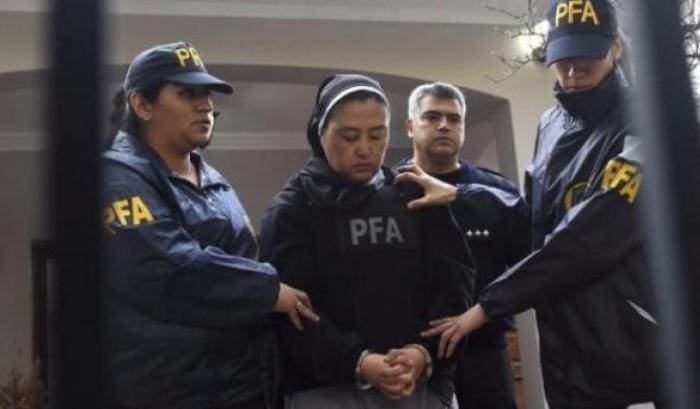
    Prosecutors and victims allege that under Corradi’s direction, a Japanese nun, Kosaka Kumiko, would groom the most docile children. She would touch them, and have them touch themselves and each other. Kumiko has maintained her innocence in court.

    Also among the alleged abusers in Lujan is a deaf and mentally challenged man, now in his 40s, who prosecutors say had been abandoned as a child at the Provolo Institute in La Plata. They say the man told other victims he had been abused by Corradi there. And when Corradi made him a gardener at the new Provolo school in Lujan, the man is alleged to have begun to abuse other children.

    The worst cases of abuse documented by prosecutors at Lujan occurred between 2004 and 2009. During those years, Francis served as Cardinal Bergoglio in Buenos Aires, a diocese some 700 miles southeast of Lujan de Cuyo, and would not have been accountable for actions at the school. However, the allegations in Argentina of abuse and corruption of minors stretch beyond when the church was warned and well after the Italian victims sought to alert Francis directly in 2013. The most recent incident involving Corradi is alleged to have involved the distribution of pornography to children in 2013. Other suspects also allegedly touched students inappropriately in 2015 and 2016.

    The church’s inaction allowed the alleged abusers to remain in daily contact with children — until a distraught former student went to Argentine authorities.

    The rail-thin 27-year-old, who, like other victims, spoke on the condition of anonymity, said she had been raped by an Argentine priest who served under Corradi. In an interview, she said that for years she considered killing herself — even writing a suicide note to her parents before standing on a bluff by a river and weighing whether to jump.

    “I felt like water, as if I was nothing,” she said in sign language in her lawyer’s office in Mendoza, Argentina. “I wanted to kill myself, but I had to keep living with it, every year.”

    A friend, she said, convinced her that what she and other victims really needed was justice. So, in November 2016, she walked into a state center for people with disabilities and requested a sign-language interpreter. They would later go together to the state parliament, where, on Nov. 24, 2016, they met with a state senator who sounded the alarm.

    Rapidly acting on her testimony, prosecutors raided the school two days later — finding pornography and letters that implicated one of Corradi’s associates, Father Horacio Corbacho, a 58-year-old Argentine priest. In court filings, one sexually suggestive letter, apparently written by someone familiar with the abuse, asks Corbacho “how much more silence can you ask of a deaf mute?”

    Jorge Bordon, Corradi’s 62-year-old driver, last year pleaded guilty to 11 counts of abuse. His confession effectively implicated some of the other defendants, though Corbacho, Kumiko and others have denied the accusations. Corradi — under house arrest at an undisclosed location in Argentina and facing six counts of aggravated abuse — has yet to enter a plea.

    The Rev. Alberto Germán Bochatey, a bishop appointed by the pope to oversee the Provolo schools in the aftermath of the scandal, said Corradi believes himself to be innocent.

    “He feels destroyed,” said Bochatey, who last met with Corradi two months ago. “He built that school.”

    After Argentine authorities shut down the Lujan school in November 2016, the Vatican appointed two priests to conduct an internal investigation that is still ongoing. Prosecutors say church officials in Argentina have declined their request to share the findings.

    Bochatey, who is not involved in the investigation, denied a lack of church cooperation. He said he received a request for the report and replied in a letter to prosecutors that it needed to be submitted directly to the Vatican. He said he did not forward the request. Stroppiana, the prosecutor, said he has no recollection of receiving a response from Bochatey or any other church authorities.

    Bochatey blamed prosecutors and victims’ lawyers for overstating the scope of the allegations. He suggested Freemasons — members of a fraternal order known for secret rituals and community service that the Catholic Church has long viewed as antagonists — were somehow behind the accusations, although he acknowledged the church had no “proof.”

    “We think the Masonic order was behind it,” he said. “We cannot understand why [the accusations] are so direct and intense. They try to build a big case that [it was a] house of horrors, 40 or 50 cases, but there are little more than 10.”

    He added, “I spoke with many parents who said their kids were happy. They didn’t want their school to close.” He continued, “I think something happened, but not the way they’re trying to show.”

    He defended the school’s approach to teaching the deaf, saying the point was for them to read and speak. Perhaps some teachers had been too strict, he said.

    “Maybe sometimes a teacher did wrong,” he said.

    The church, he said, has not only been forced to close the school in Lujan but also sell the land it sits on.

    “We’re paying expensively for our mistake,” he said.

    Harlan and Pitrelli reported from Verona, Italy. Rachelle Krygier in Caracas, Venezuela, and Natalio Cosoy, in Buenos Aires, contributed to this report.

    https://www.washingtonpost.com/world/europe/the-pope-ignored-them-alleged-abuse-of-deaf-children-on-two-continents-points-to-vatican-failings/2019/02/18/07db1bdc-fd60-11e8-a17e-162b712e8fc2_story.html?utm_term=.ca814e487d57
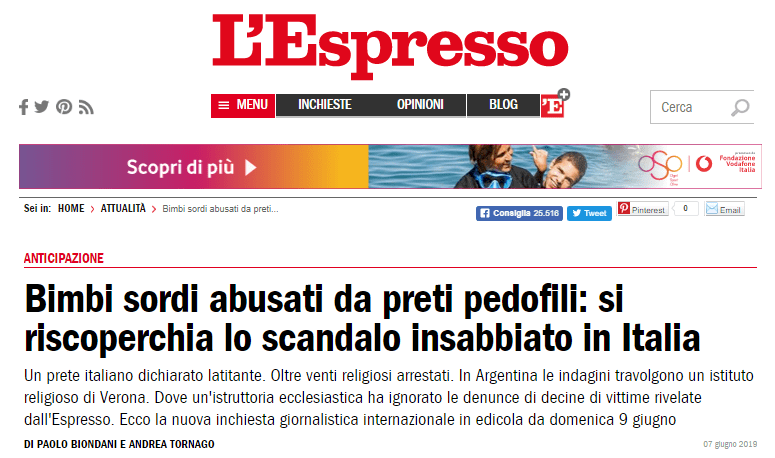
  • “Abusi su bambini sordomuti. E Papa Francesco sapeva”. Inchiesta del Washington Post su un nuovo caso che attraversa due continenti

    “Abusi su bambini sordomuti. E Papa Francesco sapeva”. Inchiesta del Washington Post su un nuovo caso che attraversa due continenti

    Una lunga indagine di WP svela uno dei peggiori scandali della Chiesa che sarebbe stato ignorato dal Vaticano

    Presunti abusi su bambini sordi, coperti dalla Chiesa di Papa Francesco. È una vicenda sollevata da una approfondita inchiesta del Washington Post su uno “dei peggiori scandali” di abusi nella Chiesa che riguarda sacerdoti in Argentina e in Italia. Al centro l’istituto religioso per sordomuti Antonio Provolo e tredici persone accusate, più una quattordicesima che si è dichiarata colpevole di abusi sessuali, compreso lo stupro, ed è stata condannata a dieci anni di reclusione.

    A capo della banda, scrive il Washington Post, un sacerdote 80enne italiano dal nome Nicola Corradi, atteso a processo nel mese di marzo.

    Corradi era il direttore spirituale della scuola e aveva una carriera decennale che attraversava due continenti. E così il suo arresto alla fine del 2016 sollevò una domanda immediata: la Chiesa cattolica aveva la sensazione che potesse essere un pericolo per i bambini?

    Secondo il Washington Post, che ha condotto una inchiesta attraverso revisione di tanti documenti, lettere private e dozzine di interviste sia in Italia sia in Argentina, sia i funzionari della Chiesa, sia Papa Francesco, furono avvertiti ripetutamente sul gruppo che perpetrava abusi nell’istituto. Ma nessuno ha mai preso provvedimenti o assunto azioni nei confronti dei sospetti, né tantomeno di Corradi.

    https://www.huffingtonpost.it/2019/02/19/abusi-su-bambini-sordomuti-e-papa-francesco-sapeva-inchiesta-del-washington-post-su-un-nuovo-caso-che-attraversa-due-continenti_a_23672815/

  • Tutela dei minori; cosa ha chiesto l’ONU all’Italia e perché. La soddisfazione della Rete L’ABUSO

    Tutela dei minori; cosa ha chiesto l’ONU all’Italia e perché. La soddisfazione della Rete L’ABUSO

    Malgrado il nostro paese sia tra i più industrializzati del pianeta, non è certamente tra i più all’avanguardia per quanto concerne la tutela dei minori.

    A dirlo questa volta non siamo più solo noi della Rete L’ABUSO ma lo certifica, e lo mette nero su bianco,  anche il Comitato per la tutela del fanciullo delle Nazioni Unite di Ginevra che, il 7 febbraio 2019, ha reso note le conclusioni finali (CRC/C/ITA/CO/5-6) dell’esamina che si è tenuta a Ginevra il 22 e 23 gennaio scorsi. Nei due giorni di seduta con la delegazione italiana, il Comitato ha esaminato a 360 gradi la situazione dei minori in Italia, analizzando l’accoglienza, l’istruzione, la sanità e anche gli abusi sessuali, in particolare modo quelli commessi dai membri del clero che, da quanto la nostra ONG ha documentato nei mesi scorsi all’Ufficio di Ginevra, non solo troppo spesso non vengono perseguiti dalla Giustizia in modo adeguato, ma, da quanto possiamo documentare, grazie a una rete ben strutturata sul territorio italiano, sostanzialmente possiamo sostenere che godono dell’impunità, con lo Stato che si limita a non intervenire.

    Potremmo definirla una sorta di tacito accordo tra lo Stato e la Chiesa, accordo naturalmente che non ha nulla a che fare con il Concordato, che in Italia meglio conosciamo con il nome di Patti Lateranensi.

    Cominciammo a maturare la tesi che esistesse una sorta di escamotage in tutela delle gerarchie cattoliche di cui lo Stato italiano era tacitamente complice, o quanto meno molto tollerante. Un meccanismo che, nella sostanza, anche in caso di condanna, sembra permettere ai sacerdoti non solo di non finire in carcere, ma di poter scontare una pena quasi “simbolica” in modo agiato e senza particolari restrizioni.

    Don Ruggero Conti in una foto d’archivio. E’ stato condannato a 15 anni e 4 mesi di reclusione Don Ruggero Conti, un ex parroco di Roma accusato di aver abusato tra il 1998 e il maggio del 2008 di sette bambini. Lo ha deciso la VI sezione del Tribunale penale di Roma. ANSA +++NO SALES – EDITORIAL USE ONLY+++

    Emblematico il caso di don Ruggero Conti: condannato a 14 anni per aver abusato di 7 bambini di età compresa tra i 10 e i 12 anni e affidato, proprio dal Tribunale, ad una struttura che poi scopriremo essere adibita al trattamento degli adolescenti. Ebbene, don Conti, nel settembre del 2017, in tutta tranquillità è “evaso”, e con una notevole disponibilità economica, al punto di potersi permettere un taxi che lo portasse da Roma a Milano.

    Un sistema strutturato in modo tale che, visto da un occhio esterno, dà l’impressione che vi sia stata una reale condanna, ma sfugge il fatto che il condannato, in realtà, non sconterà alcuna pena: non viene costretto ad un regime carcerario, ma viene affidato direttamente dai Tribunali o dalla Magistratura, a strutture della chiesa adibite proprio a questo scopo. Una sorta di “carcere privato” e gestito dal clero anziché dall’Autorità Carceraria.

    A dimostrare questa nostra apparentemente bizzarra teoria, nata all’epoca soprattutto dietro le assegnazioni dei domiciliari, che notavamo essere sempre negli stessi posti, è stato il libro inchiesta di Emanuela Provera e Federico Tulli, “Giustizia Divina”. Un libro che parte dalla scoperta di 5 di queste strutture che, intorno al 2012 – 2013, avevamo individuato sul territorio italiano, siamo oggi arrivati a documentarne più di 20.

    Ma Giustizia Divina fa molto di più perché conferma quello che, per anni, era solo un nostro sospetto che, a raccontarlo, non valeva più di una illazione. I due autori fanno la “prova del nove” per vedere se quel sospetto è fondato: esclusi i carceri minorili e femminili, interrogano le 191 case circondariali maschili presenti in Italia. Di queste, 125 rispondono alla domanda dei due autori “quanti sacerdoti avete in questa struttura?”. La risposta si commenta da se: in tutto i sacerdoti reclusi sono cinque, di cui uno solo condannato per pedofilia.

    Questo dato appare un po’ strano ai nostri occhi perché la Rete L’ABUSO ha contato, solo negli ultimi 15 anni la bellezza di 142 sacerdoti condannati in via definitiva solo in Italia. La domanda è molto semplice: dove sono?

    È anche vero che agli autori di Giustizia Divina, su 191 carceri interrogati, hanno avuto risposta da 125, ma sembra impossibile credere che, casualmente, quei sacerdoti sono proprio tutti in quelle strutture che non hanno risposto.

    Anche perché potremmo in parte smentire questa eventuale affermazione, in quanto sappiamo che molti di loro sono in affido alla stessa chiesa e alle sue strutture.

    … C’è poi il servizio di Luca Bertazzoni, prodotto dietro nostra segnalazione da LA7. Dietro l’indagine che la Rete L’ABUSO ha condotto sugli abusi all’Istituto cattolico veronese Antonio Provolo, scopriamo che uno di quei sacerdoti accusati dagli ex allievi sordi dell’istituto, don Giuseppe Pernigotti che dopo la nostra denuncia da Fabrica è ritornato a Verona, è il presidente della FIAS e guardate cosa risponde al giornalista  de LA7 che si finge un sacerdote pedofilo e confessa un abuso su un minore.

    Giustizia Divina e il documento di Bertazzoni, sono stati integrati nei passaggi essenziali e portati all’attenzione del Comitato ONU nei vari report che la Rete L’ABUSO ha inviato dal giugno scorso, in realtà proprio negli ultimi il libro, in quanto il libro è uscito solo lo scorso novembre.

    Tra il materiale inviato a Ginevra, oltre all’importante inchiesta di Provera e Tulli, sono state documentate diverse situazioni che preoccupano molto l’Associazione, come le sistematiche negligenze e omissioni dei vescovi, che abbiamo rappresentato con uno dei casi a nostro avviso più eclatanti: quello dell’arcivescovo di Milano Mario Delpini, che coprì il sacerdote Mauro Galli e, malgrado ciò, in barba alle sue stesse dichiarazioni, Bergoglio lo ha comunque nominato, nel luglio 2017, arcivescovo di Milano.

    Tra i casi segnalati anche quello di Giada Vitale che, secondo il Tribunale di Larino, alla scadenza tecnica del compimento del 14° anno di età, da vittima si è trasformata in consenziente. Quello del sacerdote Silverio Mura, protetto dal cardinale Crescenzio Sepe, sparito da Napoli per materializzarsi sotto falso nome a Montù Beccaria (PV).

    Sia Sepe che Delpini, malgrado le evidenze, restano tra i 5 insabbiatori membri del Consiglio Episcopale permanente della CEI.

    Francesco Zanardi e l’avvocato Mario Caligiuri durante le sedute del 22 e 23 gennaio 2019 presso le Nazioni Unite di Ginevra

    Oltre al “Report Giustizia sul Caso Italia” prodotto dalla Rete L’ABUSO e disponibile sul sito delle Nazioni Unite, c’è anche tutta la parte giuridica prodotta dal titolare dei fascicoli depositati presso l’autorità Giudiziaria italiana e, per conoscenza, inviati anche al Comitato. L’avvocato Caligiuri ha articolato alcune problematiche riferite ai Patti Lateranensi, che limitano l’autonomia e l’efficacia dell’Autorità Giudiziaria. L’avvocato spiega che “il comma 4 dell’art. 4 dell’accordo Laterano del 1984 (Patti Lateranensi) il cui testo ripresenta integralmente il medesimo contenuto dell’art. 7 del primigenio Concordato, dove si stabilisce che: “Gli ecclesiastici non sono tenuti a dare a magistrati o ad altra autorità informazioni su persone o materie di cui siano venuti a conoscenza per ragione del loro ministero”.

    Il  Protocollo Addizionale, in relazione all’art. 4 – punto b) dell’Accordo si stabilisce che: “La Repubblica italiana assicura che l’autorità giudiziaria darà comunicazione all’autorità ecclesiastica competente per territorio dei procedimenti penali promossi a carico di ecclesiastici”.

    La disparità di trattamento, insita nella disposizione, confrontata  con il comma 4 dell’art. 4 del ridetto Accordo del 1984, determina  la sovrapposizione di modelli culturali e procedurali incompatibili, a discapito della necessaria segretezza dell’attività investigativa da svolgere da parte della Procura della Repubblica competente che, al contrario, deve essere mantenuta insindacabile ad esclusiva valutazione discrezionale del P.M. designato, soprattutto nei casi in cui si presentano specifici elementi indizianti da verificare, o approfondire, come avviene nelle ipotesi concorsuali, o di favoreggiamento personale, nell’attuazione dei depistaggi”.

    Qui va fatta una riflessione sul fatto che si concedano dei privilegi unici alle gerarchie cattoliche, sulla base della funzione di responsabilità e di controllo che costoro hanno sui loro sottoposti, ma al tempo stesso sono esentati da responsabilità che in una situazione normale, lo stesso potere di controllo sui sottoposti imporrebbe.

    Sempre nel “Report Giustizia sul Caso Italia” la Rete L’ABUSO – come già fatto in precedenza, sia nell’interrogazione parlamentare, sia nella diffida, sia nella denuncia al Governo italiano – solleva la grave lacuna del c.d. certificato anti pedofilia, che vede esentata dall’esibirlo l’intera categoria del volontariato, alla quale appartengono anche i sacerdoti. Altro punto importante segnalato, è l’obbligo di denuncia anche per i membri del clero, soprattutto per i vescovi che, di fatto, sono localmente coloro ai quali giungono le denunce fatte all’interno della diocesi e ne decidono la sorte: per il momento quella di insabbiare in quanto, ad oggi, non si ha notizia di un solo membro del clero che abbia mai denunciato all’autorità civile un collega pedofilo.

    Queste erano le nostre principali preoccupazioni che sono state raccolte dal Comitato e portate in seduta dal membro del Comitato Jorge Cardona che le aveva esposte nelle sedute del 22 e 23 gennaio scorso.

    Ieri l’Alto Commissariato per i Diritti Umani delle Nazioni Unite di Ginevra, ha reso pubbliche le Raccomandazioni all’Italia e, con nostra enorme soddisfazione, abbiamo visto riconosciute punto per punto tutte le carenze e i vuoti legislativi che in questi mesi la Rete L’ABUSO ha segnalato sulla specifica materia al Comitato.

    Di seguito, i principali passaggi delle osservazioni conclusive del Comitato e le Raccomandazioni al Governo italiano in materia specifica di pedofilia nel clero cattolico. Documento integrale 

    19. (e) Garantire che i bambini vittime di violenza ricevano cure specializzate, sostegno e riparazione appropriata.

    20. Accoglie favorevolmente il piano nazionale per la prevenzione e la lotta contro gli abusi e lo sfruttamento sessuale dei bambini 2015-2017 e la rivitalizzazione dell’Osservatorio per contrastare la pedofilia e la pornografia infantile, il Comitato Onu per i diritti dell’infanzia e dell’adolescenza è preoccupato per i numerosi casi di bambini vittime di abusi sessuali da parte di personale religioso della Chiesa cattolica nel territorio dello Stato italiano e per il basso numero di indagini e criminali azioni penali da parte della magistratura italiana.

    Con riferimento alle sue precedenti raccomandazioni (CRC / C / ITA / CO / 3-4, par. 75) e commento generale n. 13 (2011) sul diritto del bambino alla libertà e contro tutte le forme di violenza nei suoi confronti e prendendo atto dell’obiettivo 16.2 dello sviluppo sostenibile degli obiettivi, il Comitato raccomanda all’Italia di:

    (a) Adottare, con il coinvolgimento attivo dei bambini, un nuovo piano nazionale per prevenire e combattere l’abuso e lo sfruttamento sessuale dei bambini e assicurarne l’uniforme implementazione su tutto il suo territorio e a tutti i livelli di governo;

    (b) Istituire una commissione d’inchiesta indipendente e imparziale da esaminare tutti i casi di abuso sessuale di bambini da parte di personale religioso della Chiesa cattolica;

    (c) Garantire l’indagine trasparente ed efficace di tutti i casi di violenza sessuale presumibilmente commessi da personale religioso della chiesa cattolica, il perseguimento dei presunti autori, l’adeguata punizione penale di coloro che sono stati giudicati colpevoli, e il risarcimento e la “riabilitazione” psichica delle vittime minorenni, comprese coloro che sono diventate adulte;

    (d) Stabilire canali sensibili ai bambini, per i bambini e altri, per riferire sulle violenze subite;

    (e) Proteggere i bambini da ulteriori abusi, tra l’altro assicurando che alle persone condannate per abuso di minori sia impedito e dissuaso il contatto con i bambini, in particolare a livello professionale;

    (f) Intraprendere tutti gli sforzi nei confronti della Santa Sede per rimuovere gli ostacoli all’efficacia dei procedimenti penali contro il personale religioso della Chiesa cattolica sospettato di violenza su minori, in particolare nei Patti lateranensi rivisti nel 1985, per combattere l’impunità per tali atti;

    (g) Rendere obbligatorio per tutti, anche per il personale religioso della Chiesa cattolica, la segnalazione di qualsiasi caso di presunta violenza su minori alle autorità competenti dello Stato italiano;

    (h) Modificare la legislazione che attua la Convenzione di Lanzarote in modo da garantire

    che non escluda il volontariato, compreso il personale religioso della Chiesa cattolica, dai suoi strumenti di prevenzione e protezione.

    In merito alla violenza di genere.

    22. Il Comitato attira l’attenzione dello Stato italiano sull’obiettivo 5.2 degli Obiettivi di sviluppo e lo sollecita a:

    (a) Garantire che le accuse di crimini legati alla violenza di genere, compresa la tratta di bambini stranieri, in particolare le ragazze, siano accuratamente indagate e che i responsabili siano consegnati alla giustizia;

    (b) Fornire regolari corsi di formazione per giudici, avvocati, procuratori, i polizia e altri gruppi professionali pertinenti su procedure standardizzate, di genere e di allerta per i minori per quanto riguarda le vittime e su come gli stereotipi di genere da parte il sistema giudiziario influisca negativamente sulla rigorosa applicazione della legge;

    Coordinazione

    (6) Il Comitato esorta lo Stato membro a definire un mandato chiaro e sufficiente autorità all’interno della Presidenza del Consiglio dei Ministri (Dipartimento per la famiglia Politiche) per coordinare tutte le attività connesse all’attuazione della Convenzione a livello intersettoriale, nazionale, regionale e locale e rafforzare il ruolo del cittadino Osservatorio sull’infanzia e sugli adolescenti nell’ambito di tale interministeriale corpo coordinatore. Lo Stato Parte dovrebbe assicurare che l’Osservatorio Nazionale su Infanzia e adolescenti sono forniti con le necessarie risorse umane, tecniche e risorse finanziarie per il suo effettivo funzionamento.

    Disseminazione, sensibilizzazione e formazione

    (11) Riconoscendo gli sforzi dello Stato membro, anche facendo alcuni ufficiali documenti accessibili in ETR (facile da leggere), il Comitato raccomanda che lo Stato parte:

    (a) Intensificare i suoi sforzi per diffondere informazioni sulla Convenzione e sui suoi Protocolli opzionali, anche attraverso programmi di sensibilizzazione, ai genitori, i più ampio pubblico e bambini in un modo a misura di bambino, alle organizzazioni basate sulla fede, e ai legislatori e ai giudici per assicurare la loro applicazione in ambito legislativo e giudiziario processi;

    (b) Rafforzare i suoi programmi di formazione per tutti i professionisti che lavorano con e per i bambini, anche implementando un programma per i diritti dei bambini e formatore approccio.

    Documento integrale 

  • Due anni del caso Provolo: una metafora implacabile della vera Chiesa di Bergoglio – Dos años del Caso Provolo: una metáfora implacable de la verdadera Iglesia de Bergoglio

    Due anni del caso Provolo: una metafora implacabile della vera Chiesa di Bergoglio – Dos años del Caso Provolo: una metáfora implacable de la verdadera Iglesia de Bergoglio

    È il caso più grave nel paese (fino ad ora conosciuto) di abusi sessuali da parte di preti e suore su dozzine di ragazze e ragazzi. Perché in questi due anni il Vaticano ha fatto di tutto per nascondere e dare l’impunità?

    LUJÁN DE CUYO – MENDOZA

    In questi giorni sono trascorsi due anni dall’individuazione della causa degli abusi sessuali commessi su ragazze e ragazzi sordi nell’istituto religioso della città di Lujan de Cuyo Mendoza.

    Si tratta niente di meno che il caso più grave in Argentina (conosciuto fino ad oggi) di abusi sessuali compiuti da sacerdoti, sia per il numero di vittime, come per il numero di carnefici e il sistema di occultamento e di impunità orchestrato dalla gerarchia della Chiesa cattolica.

    Come in ogni caso con queste caratteristiche venuto alla luce negli ultimi decenni, sono i sopravvissuti e le loro famiglie che sono obbligati a combattere fino in fondo contro l’occultamento della Chiesa e la complicità dello Stato.

    Solo quando i casi sono insostenibilmente scandalosi, i giudici e i pubblici ministeri sembrano svegliarsi dal loro riposo eterno e aprire gli atti. E ci sono anche le vittime, che seguono passo dopo passo ciò che viene fatto dai tribunali, aggiungendo al dolore dell’abuso l’odio per gli ostacoli del sistema.

    L’urlo

    Nel novembre 2016 un gruppo di sopravvissuti agli abusi sessuali del clero ha riferito che diversi adulti dell’Istituto Antonio Provolo hanno commesso crimini aberranti in modo sistematico (tra cui la tortura fisica e psicologica) contro i bambini sordi. Dopo anni di silenzio ottenuto con il terrore, una coraggiosa manciata di vittime ha portato alla luce un vero sistema criminale con la complicità della gerarchia ecclesiastica e dello Stato.

    Come il vaso di Pandora, l’emanazione di un paio di denunce ha scatenato una tempesta che in breve tempo porto scandalo nel  paese di Jorge Bergoglio, negli ultimi tre anni e un anno e mezzo ha colpito Papa Francisco. Le prime vessazioni denunciate  non erano le uniche e in breve tempo si è appreso che i carnefici avevano una lunga storia criminale, sempre messa a tacere dalla Curia.

    Da subito lo scandalo collegherebbe Cuyo con il nord e il centro del paese. Da Salta raggiungere la testimonianza di Daniel Sgardelis , un uomo di 44 anni che non solo ha appoggiato ciò che è stato detto dalle vittime di Mendoza ma ha riferito gli abusi che ha subito negli anni ’80, nel Provolo di La Plata, con lo stesso capo della banda di molestatori arrestato a Luján de Cuyo.

    Così, un’altra causa penale fu aperta nella capitale di Buenos Aires, rivelando la complicità di Monsignor Hector Aguer, che per anni coprì due dei violentatori.

    Tutte le strade portano a Roma

    Come si è detto, per quanto è noto, questa è la causa più grave degli abusi sessuali ecclesiastici nel paese, a causa del numero di protagonisti e del livello di occultamento e impunità orchestrati dalla Chiesa.

    Per questo motivo la figura di Francesco si distingue, poiché gli anni in cui si sono svolti molti di questi crimini erano anni in cui Bergoglio ha svolto un ruolo chiave nella Chiesa Cattolica Argentina che transità la sua ascesa nella “carriera ecclesiastica.” E si sa che all’interno della Chiesa cattolica pochissime cose, almeno le più importanti, sfuggono alla conoscenza dettagliata dell’alta gerarchia.

    Solo a metà del 2017 il Vaticano avrebbe nominato una “commissione d’inchiesta” interna, composta da due sacerdoti dell’arcidiocesi di Córdoba, che fin dall’inizio hanno rifiutato, da una parte, di fornire informazioni sul caso giudiziario e, dall’altra, di cercare di ricavare tutto ciò che potrebbe essere di particolare interesse per loro.

    Per entrambe le cose hanno invocato il privilegio legale concesso dall’attuale Concordato del 1966, firmato tra la dittatura di Juan Carlos Onganía e la Santa Sede.

    E non dimentichiamo che nel 2014, come Papa, Bergoglio è stato informato, da diverse vittime italiane, di numerosi casi di abusi sessuali commessi da dieci sacerdoti presso l’Istituto Provolo di Verona, tra cui lo stesso Nicola Corradi, con il quale ha  vissuto per decenni nella sua chiesa argentina. E lui non ha fatto nulla.

    Attualmente il caso attende la data di inizio del processo. Ha quindici imputati, tra cui i sacerdoti Nicola Corradi e Horacio Corbacho e le suore Kumiko Kosaka e Asuncion Martinez (entrambe della Congregazione delle Suore della Compagnia di Maria, coinvolti in altri casi di abusi sessuali in altre città).

    Il numero delle vittime è ancora sconosciuto, in quanto i parenti riferiscono che non tutti i bambini che hanno frequentato la struttura sono stati citati. Inoltre, molte delle persone che sono state citate in questi due anni come testimoni hanno finito per sostenere di essere state vittime degli imputati.

    Occultamento e nuda complicità

    La denuncia ha anche evidenziato il modus operandi della Chiesa cattolica. Nel 1984 Nicola Corradi fu costretto dai suoi superiori a fuggire dall’Italia, dopo che erano comparse le prime notizie di abusi sessuali. Protetto dal Vaticano, fu trasferito per la prima volta nella sede del Provolo de La Plata. E dal 1998, protetto dall’Episcopato argentino, si stabilì nell’Istituto Lujanino.

    Un chiaro esempio del sistema di occultamento e impunità, orchestrato dalla stessa gerarchia ecclesiastica e applicato in tutto il mondo, come ha spiegato questo giornale nel suo documentario No abusarás. Il comando negato nella Chiesa di Francisco , pubblicato l’anno scorso.

    Tale sistema, come ha denunciato più volte Carlos Lombardi, un avvocato per la Rete di vittime di abusi sessuali del clero dell’Argentina, è approvato da parte dello Stato stesso attraverso il Concordato del 1966, gestito da tutti i governi (militari e costituzionali) che seguirono Onganía.

    Per l’avvocato, le norme legali che la Chiesa applica ai casi di abuso sessuale sono la spina dorsale in cui è incastonato l’intero sistema di occultamento dei sacerdoti predatori. “La chiesa in ogni parte del mondo, di fronte alle notizie di un abuso, la prima cosa che fa è proteggere l’aggressore. Se il caso non è stato reso pubblico, il sacerdote è trasferito con la complicità del vescovo. Mentre se è diventato pubblico, inizia una procedura di indagine interna in cui le vittime non hanno altri diritti oltre a presentare il reclamo”, spiega Lombardi.

    La denuncia dei sopravvissuti portò alla luce la complicità dello Stato. Le famiglie non furono mai accompagnate da funzionari provinciali. L’associazione Xumek, sponsor di parte delle querele, ricorda che “nel 2008 è stata presentata una denuncia penale per reati sessuali nel Provolo, il cui dossier non ha sortito alcuna indagine, nessuna azione è stata presa in conformità con la legge e i protocolli di legge in caso di denuncia di abusi sessuali, e le vittime non udenti minorenni non sono stati convocati”.

    Due anni intensi

    Mentre il caso giudiziario viene portato in giudizio a Mendoza, i due anni trascorsi dallo scandalo del Provolo di Mendoza sono stati più che intensi. Nuove accuse di abusi sessuali sono venute alla luce in altre parti del paese contro sacerdoti e altri membri della Chiesa, mentre Francisco fu protagonista di nuovi scandali internazionali su questo tema, come il suo perfido ruolo nel caso dei vescovi clandestini del Cile o della sua crisi interna in Vaticano contro l’accusa delle vittime che fanno di tutto per coprire gli abusatori.

    Ma anche in Argentina c’è stato un intenso dibattito sulla legalizzazione dell’aborto e la piena applicazione della legge sull’educazione sessuale integrale, che ha trovato la gerarchia cattolica in prima fila nella lotta contro i diritti elementari, difendendo i presunti “valori” che la mettono più vicino alla famigerata Santa Inquisizione che a milioni di bambini e ragazzi che vogliono solo vivere la propria vita senza repressioni oscurantiste o ideologie incantate.

    Allo stesso tempo, questi dibattiti hanno messo sul tavolo un altro più completo sui veri interessi, non celesti ma molto terreni, che difendono con croci e spade l’istituzione governata da Bergoglio. La decisione di sostenere i suoi interessi economici multimilionari e il suo livello ingiustificabile di interferenza nell’inquadramento della vita quotidiana della popolazione, costrinse la Curia a una mostra politica che non si vedeva da tempo.

    Ecco perché la lotta cosciente per l’effettiva separazione della Chiesa e dello Stato è imposta come una necessità di milioni di persone che vogliono processare e punire gli autori di crimini aberranti come quelli del Provolo. La lotta nelle strade del movimento delle donne per conquistare l’aborto legale, sicuro e libero e per l’attuazione dell’istruzione sessuale completa in tutte le scuole ha molti vasi comunicanti con la lotta delle vittime di abusi sessuali da parte di sacerdoti e ” laici consacrati”. Una lotta più necessaria che mai.

    (traduzione con Google)

    http://www.laizquierdadiario.com/Dos-anos-del-Caso-Provolo-una-metafora-implacable-de-la-verdadera-Iglesia-de-Bergoglio