Osservatorio della Rete L'ABUSO

Tag: Horacio Corbacho

  • ‘The pope ignored them’: Alleged abuse of deaf children on two continents points to Vatican failings

    ‘The pope ignored them’: Alleged abuse of deaf children on two continents points to Vatican failings

     When investigators swept in and raided the religious Antonio Provolo Institute for the Deaf, they uncovered one of the worst cases yet among the global abuse scandals plaguing the Catholic Church: a place of silent torment where prosecutors say pedophiles preyed on the most isolated and submissive children.

    The scope of the alleged abuse was vast. Charges are pending against 13 suspects; a 14th person pleaded guilty to sexual abuse, including rape, and was sentenced to 10 years in prison. The case of the accused ringleader — an octogenarian Italian priest named Nicola Corradi — is set to go before a judge next month.

    Corradi was spiritual director of the school and had a decades-long career spanning two continents. And so his arrest in late 2016 raised an immediate question: Did the Catholic Church have any sense that he could be a danger to children?

    The answer, according to a Washington Post investigation that included a review of court and church documents, private letters, and dozens of interviews in Argentina and Italy, is that church officials up to and including Pope Francis were warned repeatedly and directly about a group of alleged predators that included Corradi.

    Yet they took no apparent action against him.

    “I want Pope Francis to come here, I want him to explain how this happened, how they knew this and did nothing,” a 24-year-old alumna of the Provolo Institute said, using sign language as her hands shook in rage. She and her 22-year-old brother, who requested anonymity to share their experiences as minors, are among at least 14 former students who say they were victims of abuse at the now-shuttered boarding school in the shadow of the Andes.


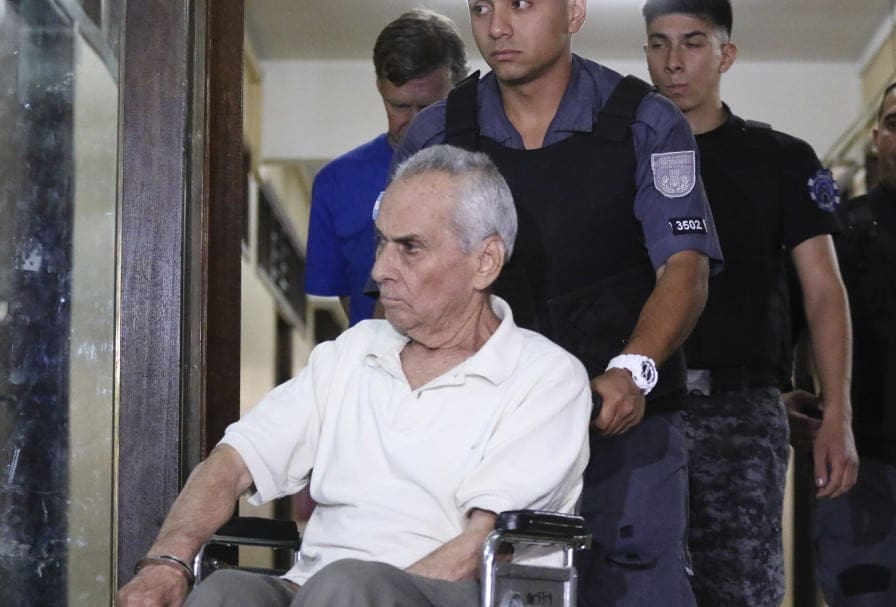
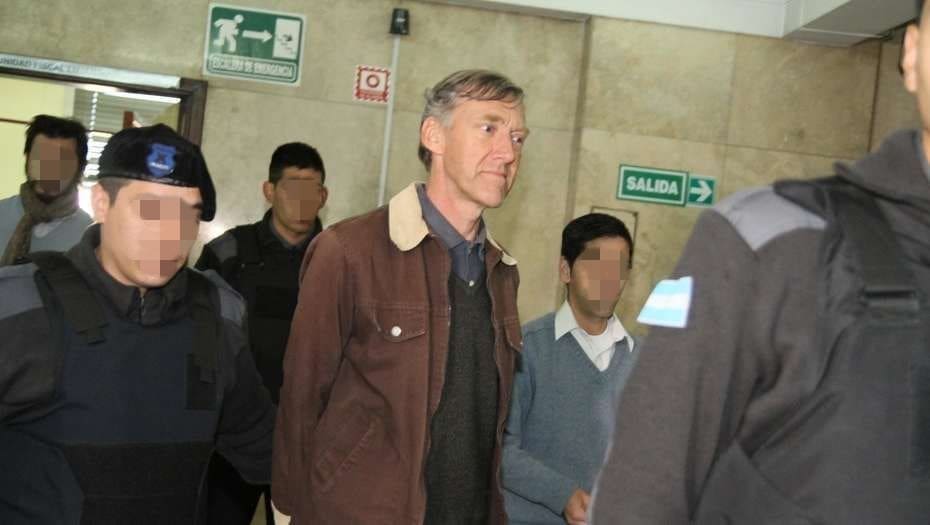
    Priest Nicola Corradi is handcuffed to a wheelchair during a Dec. 22, 2016, court appearance in Argentina’s Mendoza province. (Emmanuel Rodriguez Villegas/AP)

    Vulnerable to the extreme, the deaf students tended to come from poor families that fervently believed in the sanctity of the church. Prosecutors say the children were fondled, raped, sometimes tied up and, in one instance, forced to wear a diaper to hide the bleeding. All the while, their limited ability to communicate complicated their ability to tell others what was happening to them. Students at the school were smacked if they used sign language. One of the few hand gestures used by the priests, victims say, was an index figure to lips — a demand for silence.

    “They were the perfect victims,” said Gustavo Stroppiana, the chief prosecutor in the case.

    And yet they may not have been the first. Corradi, now 83 and under house arrest, is also under investigation for sexual crimes at a sister school in Argentina where he worked from 1970 to 1994. And alumni of a related school in Italy, where Corradi served earlier, identified him as being among a number of priests who carried out systematic abuse over five decades. The schools were all founded and staffed by priests from the Company of Mary for the Education of the Deaf, a small Catholic congregation that answers to the Vatican.

    The Italian victims’ efforts to sound the alarm to church authorities began in 2008 and included mailing a list of accused priests to Francis in 2014 and physically handing him the list in 2015.

    It was not the church, however, but Argentine law enforcement that cut off Corradi’s access to children when it shut down the Provolo school in Lujan. Argentine prosecutors say the church has not fully cooperated with their investigation.

    As Francis prepares to host a historic bishops’ summit this week to address clerical sexual abuse, the lapses in the case — affecting the pope’s home country of Argentina and the home country of the Roman Catholic Church — illustrate the still-present failures of the church to fix a system that has allowed priests to continue to abuse children long after they were first accused.

    Corradi’s lawyer declined multiple interview requests for this article and did not respond to emails seeking to speak with the priest. Attempts to reach Corradi through his family were unsuccessful. The Vatican declined to comment on a detailed list of questions.

    But Anne Barrett Doyle, co-director of the abuse-tracking site BishopAccountability.org, said the Provolo case “is truly emblematic.”

    “The church failed them abysmally. The pope ignored them, the police responded,” she said. “It’s a clear example of the tragedy that keeps playing out.”

    As in Argentina, deaf students from the Provolo schools in Verona, Italy, kept their experiences of sexual abuse to themselves for years. But after they started opening up, they worked from bottom to top to inform the Catholic church, according to letters and other documents. They wrote to the local bishop in 2008. Soon after, they provided a list of accused priests and religious figures to the local diocese. By 2011, a list of names was with the Vatican. By 2015, a list was in the hands of the pope.

    The rumblings started with Dario Laiti, a former student who came forward in 2006 after noticing a new children’s facility in the town and worrying that abuse might be happening there, as well.

    “I was the first,” said Laiti, who for years had made excuses when his wife asked why he hadn’t wanted children.

    Soon, more than a dozen other former students were telling their stories, using an improvised mix of sign language and limited speech. Their accounts ranged in time between the 1950s and 1980s. As adults, they had become woodcutters, delivery men, factory workers. Some were unemployed. Few had sustained relationships. One of their schoolmates had committed suicide.

    One student, Alda Franchetto, said she had tried to confide in her parents years earlier — running away from the school as a 13-year-old in a burst of euphoria and explaining to them what was happening to her there. Her parents, she said, didn’t believe her and returned her to the institute.

    “They said, ‘You need this to learn how to speak and write,’ ” Franchetto said.

    By the time the adult former students started reporting their abuse, it was too late to press criminal charges. But it was not too late for accountability through the church. They wrote to the local bishop in 2008, informing him of their claims. Soon after, at the request of a journalist from the Italian news magazine L’Espresso, 15 former students took another step: writing sworn statements describing sodomization, forced masturbation and other forms of abuse. The statements named 24 priests and other faculty members, including Corradi. The student association said dozens of others had experienced abuse but did not want to come forward publicly.

    Alda Franchetto said her parents didn’t believe her when, at age 13, she tried to tell them about the abuse she experienced at school. (Simone Padovani/Getty Images)

    The Antonio Provolo Institute in Verona was among the schools founded by the Company of Mary for the Education of the Deaf. (Emanuele Amighetti/For The Washington Post)

    The bishop, Giuseppe Zenti, was dismissive. In a news conference, he called the allegations “a hoax, a lie, and nothing more,” and he noted the association for former students was involved in a property dispute with the Provolo Institute. The former students filed defamation charges against Zenti and included their statements as part of the lawsuit — essentially handing the names of the accused priests to the diocese.

    The case caught the notice of the Vatican, which in 2010 asked Zenti to look more deeply into the claims, according to church letters. The local diocese brought in a retired judge, Mario Sannite, to investigate.

    “That’s how I found myself in the middle of this story,” Sannite said.

    Sannite became the on-the-ground representative of the Holy See, asked to relay his findings — and his analysis — to the Vatican’s Congregation for the Doctrine of the Faith. In December 2010 and January 2011, Sannite interviewed 17 former students from Provolo, with the help of a sign-language interpreter. He said the accounts were harrowing, and he later wrote that there was no reason to doubt the “majority” of the accusations. In the report sent to the Vatican, though, Sannite wrote that he had doubts about one former student, the only one who happened to name Corradi as an abuser — even though some of the others interviewed had overlapped with Corradi’s time at the school.

    Gianni Bisoli, a then-62-year-old ski instructor, accused 30 religious figures and other Provolo faculty members of abusing him — a number far beyond the others. And his allegations were particularly explosive; one of those he accused was Giuseppe Carraro, the bishop of Verona in the 1960s and 1970s, who after his death was on the path to canonization.

    “Bisoli’s statements were likely deemed quite dangerous,” said Paolo Tacchi Venturi, a lawyer who at the time was representing the victims.

    With the help of a sign-language interpreter and Tacchi Venturi, Bisoli spoke with Sannite for 12 hours, over the course of three days, according to records. Others who were in the room told The Post that Bisoli described the abuse in detail.

    In interviews with The Post, Bisoli recounted that he was abused by Corradi several times, including once when he had been corralled along with two other children into a bathroom reserved for priests. In that instance, Bisoli said, he was ordered against a wall by Corradi and two other religious figures. Bisoli remembered Corradi sodomizing him with his finger.

    Sannite assessed that Bisoli was certainly a victim of abuse. But in the report he wrote, which was sent through Verona’s diocese to the Vatican, the former judge said it was implausible that Bisoli could have been abused by so many — that the institute he described was akin to an “infernal circle.” Sannite noted that some of Bisoli’s dates did not match, and some of the accused did not appear to be at the institute in the years Bisoli described. Sannite also offered another theory: that Bisoli “repackaged his overflowing allegations by drawing from the collection of his own experiences as a homosexual” adult.

    In an interview at his home last month, Sannite read from the report, though he did not share a copy with The Post. When asked why a gay man might be less likely to accurately describe abuse, Sannite said, “It’s not as if I can say there are differences.” Then he asked why he was being asked such a question. Later, Sannite wrote in an email that he did not mean to draw a connection between Bisoli’s credibility and his sexuality.

    Bisoli, in an interview, said it was “offensive” and a “provocation” that anybody’s sexuality in adulthood might figure into an assessment.

    Following church guidelines, Zenti wrote a letter to accompany the report to the Vatican, according to the Diocese of Verona, which declined to share it with The Post. But Zenti remained skeptical about the claims and said in 2017 testimony — conducted as part of a separate lawsuit — that even a word like sodomization would be “hard to convey for a deaf-mute.” The bishop also reported hearing a theory that the Veronese victims were behind the claims in Argentina, as well, perhaps as a way to “gain possession of the nice properties of the institute in those places.”

    Based on the investigation in Verona, the Vatican punished only one priest, Eligio Piccoli, who was ordered to a life of prayer and penance away from minors. Three other priests were given admonitions — essentially warnings that the Vatican was watching future behavior.

    A church official in Verona said the allegations against Corradi were not looked at closely in large part because of the assessment about Bisoli. “We acted on the broad premise that Bisoli wasn’t deemed reliable,” Monsignor Giampietro Mazzoni said. “In this case, perhaps, making a mistake — since we didn’t know then what would later happen in Argentina.”

    One of the other former students who Bisoli said was in the priests-only bathroom, Maurizio Grotto, has offered conflicting accounts of what happened. He told Sannite he was not abused by Corradi and said in an interview with The Post that he was. Another former Provolo student, Franchetto, said in an interview that she was molested by Corradi but had tried for years, “as a measure of self-defense,” to forget his face. She did not tell the Vatican investigator about her experiences. The president of the association representing the Italian victims, Giorgio Dalla Bernardina, said he knows of other Corradi victims who have been unwilling to speak publicly.

    Lawyers involved in the case and experts on clerical abuse say the church failed to examine whether the pattern of abuse in Italy was playing out at the overseas Provolo locations where Italian priests had been sent. Some dioceses in the United States report abuse accusations to law enforcement no matter what — even if the accused priest is deceased or if the statute of limitations has expired — and suspend priests from ministry as accusations are being investigated. The Diocese of Verona said it did not contact law enforcement.

    Tacchi Venturi, the lawyer who had represented the victims during the hearing, said the Vatican made one other error — a “logic contradiction” — by acknowledging that Bisoli was abused but not looking into who might have abused him.

    “If you say he suffered abuses, and you believe he was a victim, and he says he was abused by people, then you hear them all,” Tacchi Venturi said, noting that the task was easier because only some of the accused were still alive. “You go on and interrogate all of them.”

    Pope Francis asks the victims to pray for him

    The Italian victims believed that if anybody could better handle abuse cases, it was Francis, who was selected as leader of the church in 2013 — two years after the Verona inquiry — and who announced the creation of a new commission on child protection. The former Provolo students wrote to Francis in late 2013, giving a broad timeline of their case. They said they didn’t hear anything back. In 2014, according to postal receipts, they tried again, with more direct language — mailing to the pontiff’s Vatican address a list of the 14 alleged abusers they felt had gone largely unpunished. They received no response from Francis or others in the Vatican.

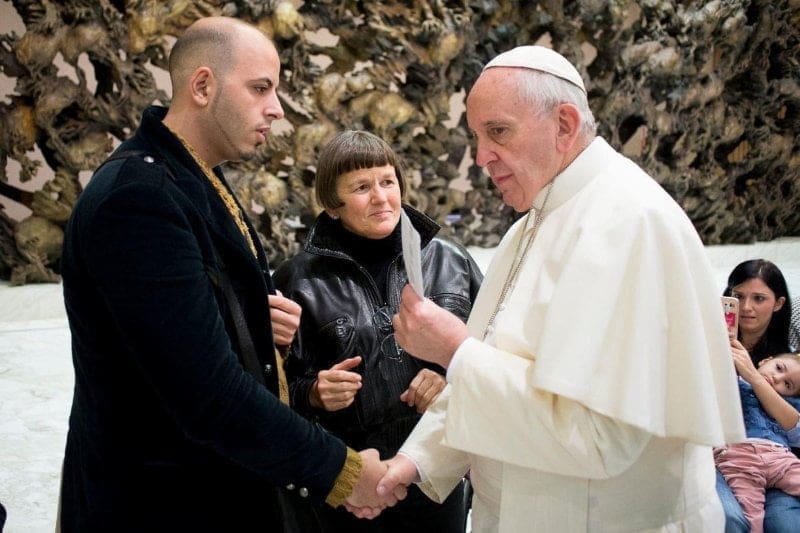
    So, in October 2015, 20 people from Verona — most of them victims of abuse — boarded a train to Rome. They had no certainty of meeting the pope, but they targeted a day the Vatican was recognizing people with disabilities. And indeed, after Francis held Mass at St. Peter’s Square, a Vatican official invited two of the people from Verona to a small event with the pontiff. Paola Lodi Rizzini and Giuseppe Consiglio took their place near the stage of Paul VI Audience Hall holding a letter — later reviewed by The Post — listing the same 14 names.


    Giuseppe Consiglio, the youngest of the Verona victims’ group, said he wanted the Vatican to “open its eyes” and “close the schools.” (Emanuele Amighetti/For The Washington Post)

    Consiglio, now 29, was the youngest of the victims from Verona. He’d attended school in the late 1990s, and he had come forward in 2012 — after the Vatican’s investigation. But he was upset with the Vatican’s response. He said he wanted the Vatican to “open its eyes” and “close the schools.” He told The Post that his own childhood had unraveled because of abuse. He said he was raped hundreds of times by a priest who was “rough” but careful not to get Consiglio’s blood on his cassock. Consiglio tried to jump out a school window when he was 12 but was stopped by a nun. He was treated with antipsychotics. Into his adulthood, he lived at home, with few friends. He was so terrified of being locked into rooms that he hoarded his family’s keys.

    Then, inside the Vatican, he was eye to eye with Francis.

    Lodi Rizzini recalls speaking first and telling the pontiff they were there representing a victims’ group from Verona.

    “I said, ‘Giuseppe is a victim of sexual abuse, and he has a letter from all victims,’ ” Lodi Rizzini said.

    Consiglio handed Francis the envelope. A Vatican photographer documented the moment.

    The letter inside appealed to the pontiff by saying the church’s behavior in their case was “absolutely not aligned with the zero tolerance of Pope Francis.” It said the church had let priests and other religious figures who had abused them go on to live “normal lives.”

    Then a paragraph listed 14 priests and lay brothers that the victims believed were still alive. The list included Consiglio’s own alleged abuser, a handful of figures who had not been punished in Italy and four said to be in Argentina — including Corradi.

    Lodi Rizzini and Consiglio remember Francis receiving the letter and handing it off to a deputy without opening it. Photos show Francis blessing both Lodi Rizzini and Consiglio by touching them on the head. Both of them remember Francis, before walking away, saying, “Pray for me.”

    People involved in the case say the former students’ plea did not appear to prompt the church to take a closer look at any of the named priests.

    Four months later, in February 2016, a letter arrived in Verona from one of Francis’s close lieutenants, then-Bishop Angelo Becciu, who held a key position in the Secretariat of State. Becciu wrote that His Holiness “welcomed with lively participation what you wanted to confide in Him.”

    “He wishes to remind you,” the letter continued, “of what the Holy See has done and keeps on doing with unwavering commitment on clerical sexual abuses, operating in support of the victims’ tragedies and to prevent the sad phenomenon.”

    Law enforcement responds

    In the early 1960s, the Provolo Institute in Verona dismissed one priest and another faculty member for “moral inadequacy,” church officials say. But there is no evidence, according to church records, that the Company of Mary knew of the allegations against Corradi when it transferred him from Italy to Argentina in 1970. Even if something had been known, “I doubt there would have been an explicit mention in the archive,” said Mazzoni, the chief judicial figure in the Diocese of Verona.

    In Argentina, Corradi initially taught at a Provolo Institute for the Deaf in La Plata, a provincial city an hour’s drive from the belle époque buildings of Buenos Aires. Following the disclosures of widespread abuse in Lujan de Cuyo in 2016, La Plata authorities launched an investigation that has uncovered allegations of sexual abuse and mistreatment, dating back to the 1980s, against at least five men who worked at the school, including Corradi and another Italian cleric.

    The other Italian — Elisio Pirmati — was also named by Verona students in the letters sent to the pope. Maria Corfield, the prosecutor in the La Plata case, said Pirmati has returned to Italy and is living in retirement at the Verona Provolo — which is no longer active as an institute for the deaf but rents space to another school. Efforts by The Post to contact him were unsuccessful.

    Thus far, Corradi has been accused of sexual abuse by two alumni of the school in La Plata. Prosecutors received a report of another alleged Corradi victim who killed himself as an adult. While in total 10 alleged victims from the La Plata school have come forward, Corfield said she has spoken to other apparent victims who have resisted getting involved.

    “They say they have families now and don’t want to explain,” she said.

    Lisandro Borelli, now 40, entered the La Plata Provolo as a student in 1989 after becoming clinically deaf due to severe beatings from his parents. In an interview, he recalled Corradi placing him on his knee and fondling his genitals during lessons when the priest would also insert fingers into his mouth to try to teach him how to pronounce words.

    Once, he said, he was punished at the school by being locked in a cage for two days without food. In a separate incident, he said he was thrown down a staircase in an act of intimidation after catching a priest at the school raping his roommate.

    “When we found out this started in Italy, we were surprised,” Borelli said in sign language. “Now I think about it and say, was this happening at other Provolo institutes?”

    In 1994, Corradi’s religious congregation sent him to set up a new Provolo Institute in western Argentina. The school — a sprawling brick compound surrounded by high walls that served as both a boarding and day school for dozens of deaf children — opened in 1998, with Corradi as spiritual director.

    In the fluorescent-lit halls lined with polished tiles, Corradi first lured one boy to his room when he was around 7 years old, according to the alleged victim, who today is a shy and delicate 22-year-old. In an interview with The Post, the man recalled his confusion as Corradi undressed him, followed by the searing pain of rape. Afterward, Corradi gave him a toy — a small blue pickup truck. “I couldn’t look him in the eye,” the man said, using sign language. “It scared me. It disgusted me.”

    He said he was raped regularly for the next five years. He recalled that during the ordeals, he would stare at a statue of the Virgin Mary holding the baby Jesus not far from Corradi’s bed. He said he could see Corradi speaking words he could not hear or understand.

    The school did not teach sign language — instead embracing a methodology that sought to teach deaf children to read and speak like the hearing. That system, prosecutors say, was also ideal for hiding abuse. Abused pupils say they learned sign language in secret from older students, but even that was of little help.

    The 22-year-old man and his sister — the 24-year-old who wanted Francis to come to Argentina and see what happened there, and who said she was raped as a child by another Provolo employee — came from a poor family whose parents had limited knowledge of sign language.

    “We didn’t want to go to school, but our parents were convinced it was the best for us,” said the sister. “So we were mistreated at home. We were hit because our parents just thought we didn’t want to go to school.”

    Prosecutors say that as spiritual director of the school, Corradi not only took part in abuses, but facilitated access to children for other sexual predators working at the school.

    Prosecutors and victims allege that under Corradi’s direction, a Japanese nun, Kosaka Kumiko, would groom the most docile children. She would touch them, and have them touch themselves and each other. Kumiko has maintained her innocence in court.

    Also among the alleged abusers in Lujan is a deaf and mentally challenged man, now in his 40s, who prosecutors say had been abandoned as a child at the Provolo Institute in La Plata. They say the man told other victims he had been abused by Corradi there. And when Corradi made him a gardener at the new Provolo school in Lujan, the man is alleged to have begun to abuse other children.

    The worst cases of abuse documented by prosecutors at Lujan occurred between 2004 and 2009. During those years, Francis served as Cardinal Bergoglio in Buenos Aires, a diocese some 700 miles southeast of Lujan de Cuyo, and would not have been accountable for actions at the school. However, the allegations in Argentina of abuse and corruption of minors stretch beyond when the church was warned and well after the Italian victims sought to alert Francis directly in 2013. The most recent incident involving Corradi is alleged to have involved the distribution of pornography to children in 2013. Other suspects also allegedly touched students inappropriately in 2015 and 2016.

    The church’s inaction allowed the alleged abusers to remain in daily contact with children — until a distraught former student went to Argentine authorities.

    The rail-thin 27-year-old, who, like other victims, spoke on the condition of anonymity, said she had been raped by an Argentine priest who served under Corradi. In an interview, she said that for years she considered killing herself — even writing a suicide note to her parents before standing on a bluff by a river and weighing whether to jump.

    “I felt like water, as if I was nothing,” she said in sign language in her lawyer’s office in Mendoza, Argentina. “I wanted to kill myself, but I had to keep living with it, every year.”

    A friend, she said, convinced her that what she and other victims really needed was justice. So, in November 2016, she walked into a state center for people with disabilities and requested a sign-language interpreter. They would later go together to the state parliament, where, on Nov. 24, 2016, they met with a state senator who sounded the alarm.

    Rapidly acting on her testimony, prosecutors raided the school two days later — finding pornography and letters that implicated one of Corradi’s associates, Father Horacio Corbacho, a 58-year-old Argentine priest. In court filings, one sexually suggestive letter, apparently written by someone familiar with the abuse, asks Corbacho “how much more silence can you ask of a deaf mute?”

    Jorge Bordon, Corradi’s 62-year-old driver, last year pleaded guilty to 11 counts of abuse. His confession effectively implicated some of the other defendants, though Corbacho, Kumiko and others have denied the accusations. Corradi — under house arrest at an undisclosed location in Argentina and facing six counts of aggravated abuse — has yet to enter a plea.

    The Rev. Alberto Germán Bochatey, a bishop appointed by the pope to oversee the Provolo schools in the aftermath of the scandal, said Corradi believes himself to be innocent.

    “He feels destroyed,” said Bochatey, who last met with Corradi two months ago. “He built that school.”

    After Argentine authorities shut down the Lujan school in November 2016, the Vatican appointed two priests to conduct an internal investigation that is still ongoing. Prosecutors say church officials in Argentina have declined their request to share the findings.

    Bochatey, who is not involved in the investigation, denied a lack of church cooperation. He said he received a request for the report and replied in a letter to prosecutors that it needed to be submitted directly to the Vatican. He said he did not forward the request. Stroppiana, the prosecutor, said he has no recollection of receiving a response from Bochatey or any other church authorities.

    Bochatey blamed prosecutors and victims’ lawyers for overstating the scope of the allegations. He suggested Freemasons — members of a fraternal order known for secret rituals and community service that the Catholic Church has long viewed as antagonists — were somehow behind the accusations, although he acknowledged the church had no “proof.”

    “We think the Masonic order was behind it,” he said. “We cannot understand why [the accusations] are so direct and intense. They try to build a big case that [it was a] house of horrors, 40 or 50 cases, but there are little more than 10.”

    He added, “I spoke with many parents who said their kids were happy. They didn’t want their school to close.” He continued, “I think something happened, but not the way they’re trying to show.”

    He defended the school’s approach to teaching the deaf, saying the point was for them to read and speak. Perhaps some teachers had been too strict, he said.

    “Maybe sometimes a teacher did wrong,” he said.

    The church, he said, has not only been forced to close the school in Lujan but also sell the land it sits on.

    “We’re paying expensively for our mistake,” he said.

    Harlan and Pitrelli reported from Verona, Italy. Rachelle Krygier in Caracas, Venezuela, and Natalio Cosoy, in Buenos Aires, contributed to this report.

    https://www.washingtonpost.com/world/europe/the-pope-ignored-them-alleged-abuse-of-deaf-children-on-two-continents-points-to-vatican-failings/2019/02/18/07db1bdc-fd60-11e8-a17e-162b712e8fc2_story.html?utm_term=.ca814e487d57
  • Due anni del caso Provolo: una metafora implacabile della vera Chiesa di Bergoglio – Dos años del Caso Provolo: una metáfora implacable de la verdadera Iglesia de Bergoglio

    Due anni del caso Provolo: una metafora implacabile della vera Chiesa di Bergoglio – Dos años del Caso Provolo: una metáfora implacable de la verdadera Iglesia de Bergoglio

    È il caso più grave nel paese (fino ad ora conosciuto) di abusi sessuali da parte di preti e suore su dozzine di ragazze e ragazzi. Perché in questi due anni il Vaticano ha fatto di tutto per nascondere e dare l’impunità?

    LUJÁN DE CUYO – MENDOZA

    In questi giorni sono trascorsi due anni dall’individuazione della causa degli abusi sessuali commessi su ragazze e ragazzi sordi nell’istituto religioso della città di Lujan de Cuyo Mendoza.

    Si tratta niente di meno che il caso più grave in Argentina (conosciuto fino ad oggi) di abusi sessuali compiuti da sacerdoti, sia per il numero di vittime, come per il numero di carnefici e il sistema di occultamento e di impunità orchestrato dalla gerarchia della Chiesa cattolica.

    Come in ogni caso con queste caratteristiche venuto alla luce negli ultimi decenni, sono i sopravvissuti e le loro famiglie che sono obbligati a combattere fino in fondo contro l’occultamento della Chiesa e la complicità dello Stato.

    Solo quando i casi sono insostenibilmente scandalosi, i giudici e i pubblici ministeri sembrano svegliarsi dal loro riposo eterno e aprire gli atti. E ci sono anche le vittime, che seguono passo dopo passo ciò che viene fatto dai tribunali, aggiungendo al dolore dell’abuso l’odio per gli ostacoli del sistema.

    L’urlo

    Nel novembre 2016 un gruppo di sopravvissuti agli abusi sessuali del clero ha riferito che diversi adulti dell’Istituto Antonio Provolo hanno commesso crimini aberranti in modo sistematico (tra cui la tortura fisica e psicologica) contro i bambini sordi. Dopo anni di silenzio ottenuto con il terrore, una coraggiosa manciata di vittime ha portato alla luce un vero sistema criminale con la complicità della gerarchia ecclesiastica e dello Stato.

    Come il vaso di Pandora, l’emanazione di un paio di denunce ha scatenato una tempesta che in breve tempo porto scandalo nel  paese di Jorge Bergoglio, negli ultimi tre anni e un anno e mezzo ha colpito Papa Francisco. Le prime vessazioni denunciate  non erano le uniche e in breve tempo si è appreso che i carnefici avevano una lunga storia criminale, sempre messa a tacere dalla Curia.

    Da subito lo scandalo collegherebbe Cuyo con il nord e il centro del paese. Da Salta raggiungere la testimonianza di Daniel Sgardelis , un uomo di 44 anni che non solo ha appoggiato ciò che è stato detto dalle vittime di Mendoza ma ha riferito gli abusi che ha subito negli anni ’80, nel Provolo di La Plata, con lo stesso capo della banda di molestatori arrestato a Luján de Cuyo.

    Così, un’altra causa penale fu aperta nella capitale di Buenos Aires, rivelando la complicità di Monsignor Hector Aguer, che per anni coprì due dei violentatori.

    Tutte le strade portano a Roma

    Come si è detto, per quanto è noto, questa è la causa più grave degli abusi sessuali ecclesiastici nel paese, a causa del numero di protagonisti e del livello di occultamento e impunità orchestrati dalla Chiesa.

    Per questo motivo la figura di Francesco si distingue, poiché gli anni in cui si sono svolti molti di questi crimini erano anni in cui Bergoglio ha svolto un ruolo chiave nella Chiesa Cattolica Argentina che transità la sua ascesa nella “carriera ecclesiastica.” E si sa che all’interno della Chiesa cattolica pochissime cose, almeno le più importanti, sfuggono alla conoscenza dettagliata dell’alta gerarchia.

    Solo a metà del 2017 il Vaticano avrebbe nominato una “commissione d’inchiesta” interna, composta da due sacerdoti dell’arcidiocesi di Córdoba, che fin dall’inizio hanno rifiutato, da una parte, di fornire informazioni sul caso giudiziario e, dall’altra, di cercare di ricavare tutto ciò che potrebbe essere di particolare interesse per loro.

    Per entrambe le cose hanno invocato il privilegio legale concesso dall’attuale Concordato del 1966, firmato tra la dittatura di Juan Carlos Onganía e la Santa Sede.

    E non dimentichiamo che nel 2014, come Papa, Bergoglio è stato informato, da diverse vittime italiane, di numerosi casi di abusi sessuali commessi da dieci sacerdoti presso l’Istituto Provolo di Verona, tra cui lo stesso Nicola Corradi, con il quale ha  vissuto per decenni nella sua chiesa argentina. E lui non ha fatto nulla.

    Attualmente il caso attende la data di inizio del processo. Ha quindici imputati, tra cui i sacerdoti Nicola Corradi e Horacio Corbacho e le suore Kumiko Kosaka e Asuncion Martinez (entrambe della Congregazione delle Suore della Compagnia di Maria, coinvolti in altri casi di abusi sessuali in altre città).

    Il numero delle vittime è ancora sconosciuto, in quanto i parenti riferiscono che non tutti i bambini che hanno frequentato la struttura sono stati citati. Inoltre, molte delle persone che sono state citate in questi due anni come testimoni hanno finito per sostenere di essere state vittime degli imputati.

    Occultamento e nuda complicità

    La denuncia ha anche evidenziato il modus operandi della Chiesa cattolica. Nel 1984 Nicola Corradi fu costretto dai suoi superiori a fuggire dall’Italia, dopo che erano comparse le prime notizie di abusi sessuali. Protetto dal Vaticano, fu trasferito per la prima volta nella sede del Provolo de La Plata. E dal 1998, protetto dall’Episcopato argentino, si stabilì nell’Istituto Lujanino.

    Un chiaro esempio del sistema di occultamento e impunità, orchestrato dalla stessa gerarchia ecclesiastica e applicato in tutto il mondo, come ha spiegato questo giornale nel suo documentario No abusarás. Il comando negato nella Chiesa di Francisco , pubblicato l’anno scorso.

    Tale sistema, come ha denunciato più volte Carlos Lombardi, un avvocato per la Rete di vittime di abusi sessuali del clero dell’Argentina, è approvato da parte dello Stato stesso attraverso il Concordato del 1966, gestito da tutti i governi (militari e costituzionali) che seguirono Onganía.

    Per l’avvocato, le norme legali che la Chiesa applica ai casi di abuso sessuale sono la spina dorsale in cui è incastonato l’intero sistema di occultamento dei sacerdoti predatori. “La chiesa in ogni parte del mondo, di fronte alle notizie di un abuso, la prima cosa che fa è proteggere l’aggressore. Se il caso non è stato reso pubblico, il sacerdote è trasferito con la complicità del vescovo. Mentre se è diventato pubblico, inizia una procedura di indagine interna in cui le vittime non hanno altri diritti oltre a presentare il reclamo”, spiega Lombardi.

    La denuncia dei sopravvissuti portò alla luce la complicità dello Stato. Le famiglie non furono mai accompagnate da funzionari provinciali. L’associazione Xumek, sponsor di parte delle querele, ricorda che “nel 2008 è stata presentata una denuncia penale per reati sessuali nel Provolo, il cui dossier non ha sortito alcuna indagine, nessuna azione è stata presa in conformità con la legge e i protocolli di legge in caso di denuncia di abusi sessuali, e le vittime non udenti minorenni non sono stati convocati”.

    Due anni intensi

    Mentre il caso giudiziario viene portato in giudizio a Mendoza, i due anni trascorsi dallo scandalo del Provolo di Mendoza sono stati più che intensi. Nuove accuse di abusi sessuali sono venute alla luce in altre parti del paese contro sacerdoti e altri membri della Chiesa, mentre Francisco fu protagonista di nuovi scandali internazionali su questo tema, come il suo perfido ruolo nel caso dei vescovi clandestini del Cile o della sua crisi interna in Vaticano contro l’accusa delle vittime che fanno di tutto per coprire gli abusatori.

    Ma anche in Argentina c’è stato un intenso dibattito sulla legalizzazione dell’aborto e la piena applicazione della legge sull’educazione sessuale integrale, che ha trovato la gerarchia cattolica in prima fila nella lotta contro i diritti elementari, difendendo i presunti “valori” che la mettono più vicino alla famigerata Santa Inquisizione che a milioni di bambini e ragazzi che vogliono solo vivere la propria vita senza repressioni oscurantiste o ideologie incantate.

    Allo stesso tempo, questi dibattiti hanno messo sul tavolo un altro più completo sui veri interessi, non celesti ma molto terreni, che difendono con croci e spade l’istituzione governata da Bergoglio. La decisione di sostenere i suoi interessi economici multimilionari e il suo livello ingiustificabile di interferenza nell’inquadramento della vita quotidiana della popolazione, costrinse la Curia a una mostra politica che non si vedeva da tempo.

    Ecco perché la lotta cosciente per l’effettiva separazione della Chiesa e dello Stato è imposta come una necessità di milioni di persone che vogliono processare e punire gli autori di crimini aberranti come quelli del Provolo. La lotta nelle strade del movimento delle donne per conquistare l’aborto legale, sicuro e libero e per l’attuazione dell’istruzione sessuale completa in tutte le scuole ha molti vasi comunicanti con la lotta delle vittime di abusi sessuali da parte di sacerdoti e ” laici consacrati”. Una lotta più necessaria che mai.

    (traduzione con Google)

    http://www.laizquierdadiario.com/Dos-anos-del-Caso-Provolo-una-metafora-implacable-de-la-verdadera-Iglesia-de-Bergoglio

  • Bochatey ha assicurato che la Chiesa non nasconde i sacerdoti

    Bochatey ha assicurato che la Chiesa non nasconde i sacerdoti

    Il commissario apostolico inviato dal Vaticano parlò anche delle lettere pornografiche trovate tra le proprietà del sacerdote Horacio Corbacho, disse che provenivano da un seminarista.

    Mendoza – Il “commissario apostolico” Alberto Bochatey, nominato da Papa Francesco per indagare sulla causa degli abusi sessuali dell’Istituto Próvolo, ha affermato che la Chiesa non copre questi casi, ma investigano e collaborano per raggiungere la verità. Inoltre, ha sostenuto che il sacerdote Nicola Corradi non ha cause o denunce in Italia .

    “Quando si è saputo cosa sarebbe successo, è stata avviata un’indagine interna e nel luglio dello scorso anno il Papa mi ha nominato commissario apostolico, lungi dal nascondere stiamo lavorando, investigando e collaborando”, ha detto Bochatey a Cannale 7.

    E ha rafforzato: “È una notizia quasi quotidiana, sarebbe impossibile nasconderlo, a volte le persone provano l’emozione, e credono a questi casi aberranti, ma nulla viene coperto e la verità viene cercata”.

    Sulle accuse rivolte contro Corradi a Verona, in Italia, il commissario apostolico ha dichiarato: “È una bugia sistematica che i media sostengono. Presentiamo il caso di padre Corradi che in Italia non aveva, né ha cause pendenti. È agli atti con le appropriate note internazionali, che sarebbero l’equivalente del nostro casellario giudiziario, sia in Italia che nella regione di Verona”.

    Bochatey ha detto: “Una cosa è un imputato che lo copre e un’altra cosa è indagare, e la Chiesa sta indagando su queste accuse, non ci stiamo nascondendo. Tutte le vittime sono vere, come potremmo non credere, come potrebbero inventare? Stiamo aspettando il processo, da due anni stiamo aspettando che il processo possa cercare di scoprire la verità, la giustizia, ciò che dobbiamo fare”.

    Ha anche fatto riferimento alle lettere pornografiche trovate nella stanza del sacerdote Horacio Corbacho, all’Istituto Próvolo: “Ho capito che sono state scritte da uno che allora era un seminarista e che le ha mandati a padre Corbacho”.

    Ha detto: “Padre Corbacho le ha mandati a Roma dicendo che questo seminarista non poteva continuare, e poi quel ragazzo è stato espulso e ha fatto una tragica fine”.

    Ha aggiunto: “Si è visto che li ha tenuti nelle carte dell’archivio di quel ragazzo che è passato attraverso la congregazione. Sono cose indifendibili e disgustose”.

    Bochatey ha anche risposto a domande circa la vendita della proprietà del Provolo, e ha detto: “Eravamo in una situazione catastrofica dal punto di vista economico. Quella proprietà per due anni fu chiusa, per un anno e mezzo non abbiamo potuto entrare, furono fatte più di 20 livellamenti del terreno e molto è stato scavato. L’edificio stava cadendo a pezzi, e i debiti che avevamo erano 5 o 6 milioni di pesos per i le cause legali che stiamo iniziando.

    Abbiamo dovuto prendere una decisione con quella proprietà perché sappiamo che molte altre richieste arriveranno e l’unico bene che avevamo era quella proprietà”.

    “Sapevamo che la Municipalità di Luján stava cercando una sede, la vendita è stata fatta, abbiamo già pagato molti debiti e stiamo preservando il denaro nel miglior modo possibile perché, se le vittime saranno riconosciute, le richieste economiche arriveranno”, ha spiegato. Ha aggiunto: “È un peccato che lo vogliano investire in pesos senza interessi e questo denaro verrà pagato alle vittime”.

    (traduzione con Google)

    https://www.diariouno.com.ar/mendoza/bochatey-aseguro-que-la-iglesia-no-encubre-a-curas–11232018_Sy5tl2r0Q

  • Provolo: uno degli imputati ha riconosciuto gli abusi ed è stato condannato a 10 anni

    Provolo: uno degli imputati ha riconosciuto gli abusi ed è stato condannato a 10 anni

    Si tratta di Jorge Bordón, ex amministrativo e chirichetto. È detenuto dal novembre del 2016, accusato di 11 episodi contro 5 vittime.

    Di  Ignacio de la Rosa – idelarosa@losandes.com.ar

    Jorge Bordón, ex amministrativo dell’istituto Antonio Provolo (Carrodilla) ed uno dei detenuti ed imputati come autore degli abusi sessuali aggravati ed episodi di corruzione a bimbi sordi, ha riconosciuto la paternità dei fatti per i quali è accusato nello stabilimento dove studiavano e dormivano i bimbi sordi.

    In questa maniera si è accordata la figura di un giudizio abbreviato con una condanna di 10 anni, cosa che è stata formalizzata in un’udienza durante la mattina di oggi. Così le cose, l’uomo è già rimasto con una condanna ferma e non sarà sottoposto al processo che è stato fissato per gli altri tre imputati della prima causa (l’altro amministrativo Armando Gómez; ed i preti Nicola Corradi e Horacio Corbacho). Questi ultimi -entrambi presenti all’udienza – andranno a giudizio.

    Bordón era identificato anche dai bambini come chierichetto e si trova detenuto dall’inizio della  causa. In totale, è denunciato per 11 atti d’abuso e corruzione di minori, tra essi uno di quelli commessi e denunciati opportunamente nel 2008-.

    “È stato confessato che le vittime dicono la verità, che gli interpreti dicono la verità e che il Provolo era una macchina sistematica di abusi”, ha sintetizzato al suo turno uno degli avvocati querelanti, Sergio Salinas (della ONG Xumek).

    A confessione di parte…

    Passate le 10 di oggi, i quattro imputati e detenuti sono arrivati con custodia di polizia alla sala di udienza del secondo tribunale penale collegiato, presieduto dal giudice Marcelo Gutiérrez del Barrio. Lì prima di cominciare la tappa della lettura dei fatti che vengono imputati loro, l’avvocato difensore di Bordón (Maximiliano Legrand) ed il pubblico ministero che istruisce la causa (Gustavo Stroppiana) hanno ufficializzato davanti al giudice l’accordo di condanna.

    “Abbiamo accordato il minimo legale della pena, ed intendiamo che è di beneficio per l’imputato perché si tratta di una causa molto rilevante e nella quale ci si aspetta che ci siano pene alte. Inoltre, all’accordare il giudizio abbreviato, abbiamo risparmiato all’imputato il giudizio e la possibilità di una condanna più alta”, ha sottolineato Legrand a Los Andes, ed ha indicato che il massimo previsto dalla legge per questi delitti è di 50 anni.

    “Lui (per Bordón) è conforme con la condanna. L’ incertezza di un giudizio e la paura di avere una condanna alta porta molte persone a passare per una cosa molto traumatica“, ha indicato Legrand, il quale ha sottolineato che Bordón continuerà a stare nella sua cella del carcere di Boulogne Sur Mer.

    Da parte sua, l’avvocato querelante Oscar Barrera -uno dei letterati che accompagna i denuncianti – ha indicato che la condanna è importante. “In questo modo rimane confermato che le vittime non mentono, che i bambini hanno detto la verità durante tutto il processo”, ha indicato Barrera.

    https://losandes.com.ar/article/view?slug=provolo-uno-de-los-imputados-reconocio-cometer-abusos-y-acordaron-10-anos-de-prision

  • Caso Provolo: perché Papa Francesco sapeva degli abusi

    Caso Provolo: perché Papa Francesco sapeva degli abusi

    Le vittime dell’abuso sessuale ecclesiastico assicurano che Francesco non poteva ignorare gli abusi nell’istituto di Mendoza e La Plata. Le ragioni

    Francesco è entrato in carica nel 2013, quando l’accusa di pedofilia nel dell’Istituto Provolo non era nuova. Per le vittime, non c’è dubbio che Bergoglio conoscesse la situazione, anche se non ha preso provvedimenti al riguardo fino al momento in cui la giustizia Argentina ha arrestato gli imputati.

    Per dimostrare la conoscenza di Francesco della situazione, le vittime sottolineano un fatto: lo stesso anno in cui Francesco ha iniziato il suo pontificato, un gruppo di vittime di abusi sessuali in una sede del Provolo a Verona (Italia) ha prodotto un rapporto in cui ha dettagliato cosa era successo a loro. Quella fu l’unica volta che hanno ricevuto una risposta ufficiale, firmata dall’Arcivescovo Angelo Beccio, Segretario per gli Affari Generali della Santa Sede. Nel testo, le autorità hanno affermato il loro impegno a “sostenere il dramma delle vittime e indagare sui casi”.

    L’anno seguente, nel 2014, hanno effettuato un’altra serie di azioni per pubblicizzare ciò che era accaduto loro. In primo luogo, hanno fatto un video e hanno dato i nomi dei membri del Provolo che li avevano abusati, tra i preti menzionati apparvero Nicola Corradi, Eliseo Primati e Luigi Spinelli. I tre, all’epoca, erano già trasferiti in Argentina. The Survivors Network assicura che Francesco abbia visto il video.

    Mesi dopo, ritornarono per inviare una lettera in Vaticano nella quale consegnavano, uno per uno, tutti i molestatori. La lettera non ha avuto risposte.

    Quello stesso anno, una delle vittime dell’Italia, Giuseppe Consiglio, riuscì a ottenere un incontro con Francesco. Nel corso dell’incontro, l’uomo ha consegnato in mano al Papa una lettera che gli raccontava degli abusi che aveva subito mentre era studente del Provolo.

    Nel novembre 2016 è scoppiato lo scandalo in Argentina. Dopo la prima denuncia alle autorità a Mendoza, un’inchiesta è iniziata e vengono arrestati, tra gli altri, i preti Horacio Corbacho e Nicola Corradi, lo stesso che era già stato accusato in Italia.

    Quando la situazione divenne pubblica, nel marzo 2017, Francesco decise di nominare due religiosi, Dante Simón e Juan Martínez, per condurre un’indagine canonica preliminare sul caso Mendoza. Qualche tempo dopo, decise di nominare monsignor ausiliare di La Plata, Alberto Bochatey, come “commissario apostolico” per seguire da vicino le cause.

    (traduzione con Google Translate)

    http://noticias.perfil.com/2018/09/15/caso-provolo-por-que-el-papa-francisco-sabia-de-los-abusos/

  • Argentina, “scandalo pedofilia” si abbatte sulla Chiesa cattolica

    Argentina, “scandalo pedofilia” si abbatte sulla Chiesa cattolica

    Nonostante il silenzio osservato finora dalla magistratura circa l’identità dei sacerdoti coinvolti nelle indagini, i media nazionali hanno già rivelato i primi nomi dei chierici sospettati di pedofilia

    La Chiesa cattolica argentina, come quella cilena, si trova oggi costretta a fronteggiare uno “scandalo pedofilia”.

    La magistratura ha infatti disposto ispezioni in diversi istituti religiosi del Paese, al fine di trovare riscontri alle segnalazioni fornite da centinaia di presunte vittime di abusi sessuali. Secondo queste ultime, i crimini sarebbero avvenuti tra il 1987 e il 2018 e né le gerarchie ecclesiastiche argentine né la Santa Sede avrebbero mai adottato provvedimenti sanzionatori ai danni dei sacerdoti pedofili. Nella patria di Papa Francesco, i soggetti imputati per abusi su minori rischiano fino a cinquant’anni di reclusione.

    La Procura di Buenos Aires ha conferito alla Polizia federale il mandato di ispezionare due scuole gestite da religiosi, una situata nella città di La Plata e l’altra nella provincia di Mendoza. Il quotidiano Clarín e Fox News sostengono che gli istituti oggetto degli accertamenti apparterrebbero alla Compagnia di Maria per l’Educazione dei Sordomuti, ente di assistenza ai minori affetti da disabilità fondato a Verona nel 1840 dal sacerdote Antonio Provolo. Secondo i media, le autorità sarebbero entrate in possesso di “documenti cruciali”per l’incriminazione di chierici argentini sospettati di avere commesso, negli ultimi trent’anni, reiterati abusi su minori all’interno delle strutture educative. Gli inquirenti mantengono il più stretto riserbo sui religiosi coinvolti nello scandalo, ma i media hanno già rivelato i primi nomi.

    Clarín e Fox News affermano infatti che la magistratura avrebbe individuato, nella scuola situata nella provincia di Mendoza, nel Nordovest del Paese, elementi utili a dimostrare la colpevolezza di Nicola Corradi e Horacio Corbacho, sacerdoti già accusati in passato di pedofilia da ex studenti degli istituti gestiti dalla Compagnia di Maria per l’educazione dei sordomuti. Gli organi di informazione, in particolare, rimproverano alla Santa Sede di non avere adottato sanzioni tempestive ai danni di Corradi. La Curia romana sarebbe dal 2009 a conoscenza delle accuse rivolte in Argentina al prelato. Da quell’anno, nessun provvedimento sarebbe stato adottato dal Vaticano ai danni del presunto pedofilo. I media hanno sottolineato il fatto che, nonostante l’impegno antipedofilia promesso da Papa Francesco, le indagini disposte dalla Santa Sede nel 2016 al fine di accertare reati riconducibili a esponenti del clero argentino non avrebbero “minimamente sfiorato” Nicola Corradi.

    La piaga della pedofilia nella Chiesa è stata ripetutamente condannata dal Pontefice, il quale ha anche istituito dei tribunali interni al Vaticano con il compito di giudicare gli alti prelati accusati di avere coperto gli autori di abusi su minori. Nonostante le numerose iniziative dirette a contrastare tali crimini, Francesco è stato recentemente criticato da alcuni detrattori per non avere rimosso dai rispettivi incarichi vescovi e cardinali responsabili di reati sessuali.

    http://www.ilgiornale.it/news/mondo/argentina-scandalo-pedofilia-si-abbatte-sulla-chiesa-1573281.html?mobile_detect=false

  • Abusi su minori in Argentina: chiesto il rinvio a giudizio per Don Corradi

    Abusi su minori in Argentina: chiesto il rinvio a giudizio per Don Corradi

    L’83enne religioso veronese è stato arrestato nel novembre 2016 in Argentina insieme ad altre 6 persone, mentre in tutto sono 13 gli imputati per i presunti episodi che si sarebbero verificati nella sede sudamericana dell’istituto Provolo

    Abusi su minori in Argentina: chiesto il rinvio a giudizio per Don Corradi

    Nel novembre 2016 era stato arrestato in Argentina con l’accusa di stupro, abusi sessuali e corruzione di minori ai danni di alunni sordomuti dell’istituto Provolo di Lujan de Cuyo e ora arriva la notizia che don Nicola Corradi verrà processato.
    Come riporta il quotidiano sudamericano El Clarin, è stato il pubblico ministero Gustavo Stroppiana a chiedere il rinvio a giudizio per il prete veronese e anche per Horacio Corbacho, religioso argentino 57enne (a sua volta appartenente alla Compagnia di Maria per l’educazione dei sordomuti fondata da don Antonio Provolo con sede a Verona) Jorge Bordon e Armando Gomez, impiegati dell’istituto detenuti nella prigione di Boulogne Sur Mer insieme a Corbacho. Il caso ha altri nove imputati, tra cui ci sono due suore e funzionari scolastici, ritenuti complici.
    Corradi inoltre era anche finito al centro delle accuse di alcuni ex alunni della sede scaligera della scuola.

    Le indagini sono durate circa un anno e mezzo, durante il quale gli inquirenti hanno individuato 18 presunte vittime di abusi sessuali e corruzione di minori, di età compresa tra i 4 e i 17 anni, e almeno 45 fatti che si sarebbero verificati tra il 2004 e il 2016. 
    Il quotidiano argentino racconta come il caso sia arrivato nelle aule di tribunale grazie al vice governatore Laura Montero (UCR-Cambiemos), la quale avrebbe ricevuto la denuncia da un’associazione: si trattava di un ex studente del Provolo, che avrebbe raccontanto delle storie di abuso che circolavano nella comunità dell’istituto. Ed ora saranno in 13 a doversi presentare in aula, 6 dei quali arrestati dalle forze dell’ordine locali: i sacerdoti Corradi e Corbacho, la suora giapponese Kumiko Kosaka, gli impiegati Bordón e Gómez e l’ex rappresentante legale della scuola, Graciela Pascual.
    All’83enne religioso veronese sono stati poi concessi i domiciliari per problemi di salute. Misura estesa anche alla suora giapponese e alla Pascual, mentre uno dei primi indiziati, il guardiano e chierichetto José Luis Ojeda è stato dichiarato inimputabile per una patologia psichiatrica.

    Il processo si svolgerà a porte chiuse per tutelare le vittime, ma la data non è ancora stata fissata, con i quattro principali imputati che potrebbero presentare ricorso al giudice di garanzia contro la richiesta del pm, allungando così i tempi.
    Nel frattempo l’avvocato di parte civile Sergio Salinas ha avanzato la richiesta per ottenere un unico processo per tutti gli accusati, così che “tutta la verità sia nota immediatamente e le vittime non siano esposte a lunghe ed estenuanti” audizioni orali.

    “Abbiamo sofferto per molto tempo. Abbiamo paura, stiamo ancora combattendo”, hanno detto le vittime a El Clarin, mentre il procuratore Stroppiana avrebbe rivelato di essere stato informato di diversi tentativi di suicidio e di aver assistito personalmente a dichiarazioni in cui le vittime “gridavano, vomitavano e addirittura cadevano a terra per il dolore“, quando raccontavano dei presunti abusi subiti. Tanto che il governo di Mendoza avrebbe offerto dell’assistenza psicologica.

    Lo stesso Papa Francesco era intervenuto dopo lo scoppio dello scandalo in Argentina, nominando commissario apostolico il vescovo ausiliare di La Plata, Alberto Bochatey, mentre la Direzione scolastica locale ha chiuso l’istituto, dirottando un centinaio di studenti circa in altre strutture specializzate.

    http://www.veronasera.it/cronaca/abusi-minori-provolo-argentina-chiesto-rinvio-giudizio-don-nicola-corradi-22-maggio-2018.html

  • ARGENTINA: Inizia il processo per gli abusi nell’istituto Provolo

    ARGENTINA: Inizia il processo per gli abusi nell’istituto Provolo

    La Procura della Repubblica ha confermato a mezzogiorno che ci sarà un processo a porte chiuse contro i quattro accusati di aver abusato di bambini ipoudenti. Non esiste ancora una data definita.

    La causa principale degli abusi sessuali perpetrati presso l’Istituto Antonio Provolo a Luján vede il via al processo, come confermato oggi pomeriggio dalla Procura della Repubblica.

    I quattro accusati di aver stuprato i bambini con problemi di udito sono quattro: i sacerdoti Horacio Corbacho e Nicola Corradi e gli impiegati Jorge Bordón e Armando Gómez. A causa della sua età avanzata e dei problemi di salute, Corradi attende il processo agli arresti domiciliari, mentre gli altri sono detenuti nella prigione di Bolougne Sur Mer.

    Un quinto coinvolto è stato escluso dalla causa e dichiarato improcedibile.

    La data del processo non è ancora confermata, ma verrà eseguito a porte chiuse, dal momento che la Giustizia ha deciso di proteggere le vittime per via della delicatezza del caso.

    Nel frattempo, le cause secondarie in cui sono coinvolte le suore Asunción Martínez e Kumiko Kosaka, i registi, i professori e gli psicologi che sono passati per l’istituto e sono stati designati come partecipanti secondari, non sono ancora stati processati.

    http://jornadaonline.com/mendoza/191396-elevaron-a-juicio-la-causa-de-abusos-en-el-provolo

  • Provolo: denunciati gli inviati del Vaticano per reticenza nell’indagine

    Provolo: denunciati gli inviati del Vaticano per reticenza nell’indagine

    Gli avvocati dei denuncianti e della Rete di sopravvissuti agli abusi hanno presentato la denuncia (della denuncia). Accusano di “mentire” e “coprire”.

    Di Ignacio de la Rosa – idelarosa@losandes.com.ar

    Gli avvocati querelanti nella causa penale che sui presunti abusi sessuali su bambini sordi nell’istituto Antonio Provolo (Carrodilla) e, l’avvocato della Rete di Sopravvissuti di Abusi Ecclesiastici di Mendoza hanno presentato nelle ultime ore una denuncia contro gli investigatori del Vaticano che sono stati a Mendoza l’anno scorso.

    La denuncia è per mancanza di collaborazione nella causa, poiché i letterati considerano che i religiosi possedevano informazioni chiave per la causa -secondo quanto loro stessi hanno dichiarato in un’udienza con il Pubblico Ministero– ma non l’hanno resa disponibile. Inoltre, il pubblico ministero Flavio D’Amore (sostituto del pubblico ministero, Gustavo Stroppiana) e lo stesso Stroppiana solleccitarono i sacerdoti a consegnare queste informazioni all’istruttoria. Ma non lo hanno fatto.

    I preti Dante Simón e Juan Martínez sono stati designati dallo stesso Papa Francesco per iniziare l’indagine sugli atti commessi dai due preti imputati e detenuti per gli episodi (Nicola Corradi e Horacio Corbacho) a metà dell’anno scorso. E, nella loro funzione, ricavavano le loro prove, incontrarono i due sacerdoti e persino -secondo quanto dichiararono ai mass media in una delle loro visite a Mendoza- incontrarono una persona che fu identificata come una delle presunte vittime.

    “Si è incorsi in una disobbedienza alla richiesta e si ha mentito al Pubblico Ministero con l’intenzione di coprire. È obbligo della Santa Sede informare su questi episodi ed assicurare lo scambio di informazioni”, hanno sottolineato gli avvocati Sergio Salinas, Juan Dantiacq, Lucas Lecour e Carlos Lombardi. Inoltre, citarono il caso locale di Juan González (l’Arcivescovo di Mendoza fu condannato dalla Corte per non avere dato informazioni su un episodio di abuso) come giurisprudenza e come un’eccezione al Concordato sottoscritto tra il Vaticano e lo Stato Argentino (i sacerdoti si sono scusati in questo strumento per non avere apportato i dati della loro indagine alla Giustizia penale).

    Indagine ecclesiastica

    Su Simón e Martínez ricadde la prima tappa dell’indagine che corre parallelamente alla causa penale e che cerca di determinare la partecipazione e la responsabilità di Corradi e Corbacho nei presunti fatti. Inoltre, se con l’avanzare dell’indagine si determina che le prove sono compromettenti per i preti, questi potrebbero essere giudicati dalla Santa Sede e potrebbero persino essere scomunicati (indipendentemente dal risultato del processo penale).

    Tra le prime misure adottate dal Vaticano dopo la prima informazione derivata dagli investigatori ecclesiastici si è evidenziata la decisione di intervenire sull’ordine religioso Compagnia di Maria per l’Educazione dei Sordomuti – dalla quale dipendono gli istituti Provolo- per individuare numerose irregolarità, e per l’inattività di fronte alle denunce per i presunti abusi.

    È stata la Santa Sede che ha nominato come commissario di controllo il vescovo Alberto Bochatey in seguito all’indagine.

    http://losandes.com.ar/article/view?slug=provolo-denuncian-a-enviados-del-vaticano-por-no-colaborar-con-la-investigacion

  • Trovati più di 300 CD pedopornografici nella casa dei sacerdoti accusati di abusi a Mendoza

    Trovati più di 300 CD pedopornografici nella casa dei sacerdoti accusati di abusi a Mendoza

    Il nuovo caso di pedofilia all’interno della Chiesa cattolica tiene cinque accusati di abuso sessuale contro una ventina di bambini, all’interno dell’istituto religioso di Mendoza.

    L’inchiesta sui casi di abuso e stupro di minori all’interno dell’Istituto Próvolo di Lujñan de Cuyo, a Mendoza, aggiunge prove compromettenti contro i cinque imputati formalizzati dal caso.

    Secondo il Clarin , durante l’udienza che ha cercato di determinare se i detenuti sarebbero rimasti in custodia o se rimessi in libertà in attesa del processo, è emerso che i preti Nicola Corradi (82) e Horacio Corbacho (50), oltre al dipendente José Luis Ojeda (41)  conservavano una quantità impressionante di materiale pedopornografico.

    Le indagini della Divisione dei crimini tecnologici della polizia di Mendoza ha rivelato il ritrovamento di 347 CD nascosti in una valigia nella stanza di Corbacho, con contenuti sessuali di minori. Inoltre, sono stati trovati in una busta altri 37 dischi e negativi fotografici.

    Gli agenti hanno anche scoperto altri tre negativi fotografici nella sala di Nicola Corradi, mentre l’impiegato dell’istituto religioso, come i bambini vittime di abusi, è duro d’orecchie sulla pornografia che lo coinvolge dopo il ritrovamento di un rotolo di pellicola con i bambini.

    Ora gli investigatori devono verificare se le immagini ottenute sono state scaricate da Internet o corrispondono a vittime della causa. Nel frattempo, data la consistenza delle prove, gli avvocati che rappresentano le famiglie delle vittime hanno chiesto al giudice Alejandra Alonso che i detenuti siano tenuti in detenzione preventiva nella prigione di Boulogne Sur Mer fino al processo.

    Alla fine dello scorso anno, ci sono state segnalazioni di casi di abuso sessuale contro una ventina di bambini nel Próvolo. Attualmente, il caso ha cinque imputati e l’italiano Corradi, 82 anni, è l’unico che beneficia degli arresti domiciliari a causa della sua età avanzata e del delicato stato di salute.

    http://www.eldesconcierto.cl/2017/02/16/hallan-mas-300-cds-pornografia-infantil-casa-curas-acusados-abuso-mendoza/