Osservatorio della Rete L'ABUSO

Tag: giada vitale

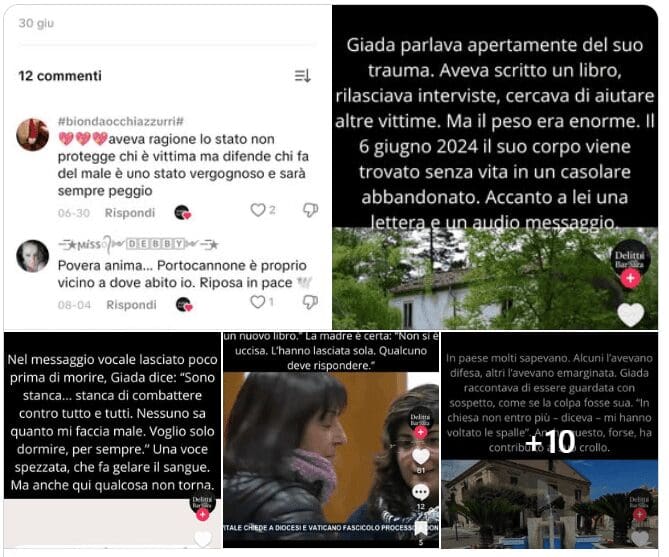
  • “Giada Vitale suicida”; Scherzo di pessimo gusto o violenza gratuita?

    “Giada Vitale suicida”; Scherzo di pessimo gusto o violenza gratuita?

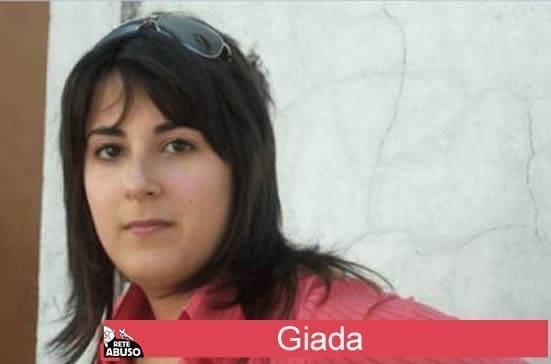
    Ovviamente e per fortuna Giada Vitale è viva e vegeta e prende sul ridere quanto accaduto in quello che difficilmente si riesce ad interpretare come uno “scherzo” di pessimo gusto anzi, forse suona più come una minaccia.

    Una violenza gratuita in quanto chi ha architettato questa fake news descrive la vicenda di Giada e degli abusi sessuali che ha subito in infanzia da don Marino Genova. Particolari che vengono usati in questa macabra fake news addirittura per accreditare la notizia del suo suicidio.

    Suicidio che tristemente tutte le vittime di questi crimini tentano ameno una volta nella vita e, qualche volta ci riescono. Cosa che rende ancora più atroce l’accaduto.

    La presunta “salma” che abbiamo personalmente sentito al telefono conferma di stare bene e commenta quanto accaduto;

    “ANNUNTIO VOBIS

    che la sig.ra Giada Vitale di anni 30 è viva, e per sua fortuna gode di ottima salute ed è sempre pronta a combattere per il riconoscimento dei suoi diritti. Ella intende smentire categoricamente la sua prematura scomparsa sollevando dal sommo dispiacere chiunque ne fosse stato colpito. Aggiunge, inoltre, per coloro che si sono così tanto prodigati alla diffusione di questo video contenente queste assurdità, di cercare di dare un senso alla propria vita.

    Amen”.

    L’Associazione, noi tutti ci stringiamo intorno a Giada.

  • Lettera aperta di Giada Vitale, sopravvissuta agli abusi di don Marino Genova

    Lettera aperta di Giada Vitale, sopravvissuta agli abusi di don Marino Genova

    Egregi Direttori,

    mi chiamo Giada Vitale ed in questi giorni purtroppo il mio nome è nuovamente salito alle cronache per la terribile vicenda che mi ha visto vittima di Don Marino Genova, la cui morte avete annunciato tramite le Vostre testate nella giornata del 6.02.2025.

    Ancora una volta, però, ho riscontato alcune imprecisioni nella narrazione che in un modo o nell’altro finiscono per sminuire o attenuare le responsabilità di Don Marino Genova.

    E’ per questo che mi sono decisa a scrivere questa mia, chiedendoVi di pubblicarla ad integrazione/rettifica degli articoli da Voi pubblicati.

    Ciò che voglio chiarire una volta per tutte è che Don Marino Genova non è stato soltanto “accusato”, ma è stato ritenuto colpevole con sentenza definitiva (Cassazione) del reato di atti sessuali con minore di anni quattordici, e per questo è stato condannato alla pena detentiva di quattro anni e dieci mesi, integralmente scontati.

    E’ importante che questa informazione sia resa nota in modo chiaro, perché ancora ci sono persone che sostengono che i fatti non siano avvenuti, mentre invece risulta ormai accertato che il reato è stato commesso.

    Inoltre ci terrei che fosse ben evidenziato che dopo la condanna penale è stato avviato anche il giudizio civile (per ottenere il risarcimento dei danni) che sarebbe dovuto andare in decisione il prossimo marzo.

    E’ vero che a causa del decesso di Don Marino Genova il processo subirà un rallentamento, ma potrà comunque essere riassunto e giungere ad una conclusione.

    Nell’ottica di una informazione completa e veritiera, Vi chiedo di pubblicare questa mia lettera ad integrazione e rettifica di quanto da Voi pubblicato nei giorni scorsi. I miei migliori saluti

    Giada Vitale

  • Giada Vitale – Portocannone

    Giada Vitale – Portocannone

    [jnews_block_4 first_title=”Altri contenuti” header_type=”heading_3″ include_tag=”6897,6898″ pagination_mode=”nextprev”]

  • Abusi, la vittima di un prete sospeso a divinis: «Perchè celebra messa al monastero benedettino di Subiaco?»

    Abusi, la vittima di un prete sospeso a divinis: «Perchè celebra messa al monastero benedettino di Subiaco?»

    «Personalmente provo disgusto. Perchè la Chiesa di Papa Francesco continua ad avere un atteggiamento protettivo nei confronti dei preti che hanno abusato dei minori?» Giada Vitale, vittima (oggi venticinquenne) di un sacerdote che è stato condannato in via definitiva nel 2020 a 4 anni e dieci mesi di reclusione e, in parallelo, anche dalla Congregazione della Dottrina della Fede (che lo ha sospeso a divinis) è sotto choc mentre osserva sul telefonino il filmato che ritrae il suo aguzzino (altro…)

  • ‘Ora o mai più’: le vittime dei preti pedofili italiani chiedono indagini

    ‘Ora o mai più’: le vittime dei preti pedofili italiani chiedono indagini

    Poiché le indagini negli Stati Uniti, in Europa e in Australia hanno messo in luce la portata del problema degli abusi sessuali all’interno della Chiesa – e anche un insabbiamento durato decenni – molti gruppi affermano che l’Italia non può più evitare un controllo.

    “Il governo deve agire, deve sfruttare lo slancio creato da indagini imparziali altrove”, ha detto all’Afp Francesco Zanardi, fondatore di Rete l’Abuso.

    “Se l’Italia non lo fa ora, temo che non lo farà mai”, ha detto Zanardi, che da giovane è stato abusato da un prete.

    Nove gruppi stanno ora formando un comitato volto a fare pressione sul Paese per avviare un’indagine, come quelle viste di recente in Francia e Germania.

    Cristina Balestrini, che ha istituito un gruppo di sostegno alle famiglie dopo che suo figlio è stato abusato da un prete, ha detto all’Afp che la cosa più importante per i sopravvissuti era “assicurarsi che non accada mai più”.

    Non tutti i molestati sopravviveranno, “ci sono molte vittime che si suicidano e nessuno lo sa”, ha detto Balestrini.

    ‘Silenzio totale’

    Rete L’Abuso ha registrato negli ultimi 15 anni in Italia più di 300 casi di sacerdoti accusati o condannati per abusi sessuali su minori, su un totale di 50.000 sacerdoti in tutto il Paese.

    Giada Vitale è solo un esempio citato dal gruppo. Era una timida organista di 13 anni quando il suo parroco, Marino Genova, la abusò in sacrestia. Sarebbe stata molestata per tre anni.

    Il carnefice di Vitale è stato condannato nel 2020, ma i gruppi di vittime affermano che una tale condanna è rara perché l’Italia è in ritardo rispetto ad altri paesi nell’affrontare i predatori.

    È impossibile ottenere cifre precise sull’entità del problema.

    Il principale consulente per gli abusi del clero del Vaticano ha detto all’AFP questo mese che è giunto il momento per il Paese a maggioranza cattolica di fare i conti.

    La chiesa non è così potente come lo era una volta in Italia, dimora storica dei papi. Ma mantiene un’enorme influenza e due terzi della popolazione sono credenti, secondo un sondaggio del 2019.

    Papa Francesco, che ha inasprito le punizioni inflitte ai preti abusatori ai sensi della legge vaticana, lunedì ha razionalizzato l’ufficio vaticano che tratta le denunce di abusi, nel tentativo di accelerare i casi.

    Ma Zanardi di Rete l’Abuso ha detto che “avrebbe poca fiducia” in un’indagine interna.

    ‘Vittime due volte’

    Anche Balestrini, 56 anni, è diffidente nei confronti della chiesa poiché “hanno agito come se fossimo il nemico, rendendoci vittime due volte” dopo che suo figlio adolescente è stato abusato nel 2011.

    Il chierico in questione, Mauro Galli, inizialmente fu trasferito tranquillamente in un’altra parrocchia. In seguito sarebbe stato condannato.

    Spera che il comitato riesca a fare pressione sulla chiesa affinché apra i suoi archivi, perché lo scandalo, ha detto, “è molto più grande di quanto si possa immaginare”.

    Balestrini ha detto che scoprire la verità non sarebbe stato facile per l’Italia, ma la Chiesa sarebbe saggia ad assumersi un ruolo attivo nel ripulirsi.

    “Al momento, stanno cercando di mantenere un coperchio, ma è meglio scegliere di toglierlo da soli, prima che esploda”.

    https://www.france24.com/en/live-news/20220215-now-or-never-victims-of-italy-s-predator-priests-urge-inquiry

  • Disparità di trattamento tra vittime e “protetti” – Giada vitale lamenta alla Giustizia…

    Disparità di trattamento tra vittime e “protetti” – Giada vitale lamenta alla Giustizia…

    Certo non possiamo che associarci a Giada che oramai assistiamo da ben 11 anni e che ben conosce la disparità dei Palazzi di Giustizia italiani, dove se critichi qualcuno, specie un prete ti rinviano a giudizio, se poi tu da vittima vieni insultata, anche sui social, tutto passa in cavalleria.

    di Giada Vitale – Vittima di don Marino Genova, condannato in via definitiva a 4 anni e 10 mesi

    “Sono sette anni in cui vengo diffamata di persona e a mezzo social.

    I commenti sono sempre stati molto offensivi e con lo stesso tenore come : ” io nel mio piccolo sono riuscito ad arrivare a una conclusione: Giada voleva trxxxxxe con don Marino al no del don ha messo su tutto questo”… ” a questa donna speculativa gli è piaciuto e adesso vuole essere pagata come una p..”
    Non per ultimo leggo:” Tu conosci quella bambina? Hai letto gli atti processuali? Ti assicuro che non è una bambina ma na z” ecc. ecc.

    Ma per la procura di Larino queste persone non hanno commesso nulla che potesse dar seguito ad un procedimento penale. Ciò chiaramente le autorizza a continuare ad offendermi perché impunite. Più passa il tempo e più giungo a concludere che la Procura di Larino ogni qualvolta si trova a cospetto con una querela fatta da me, decide in maniera arbitraria di archiviare senza iniziare nemmeno le indagini. Vorrei capire per quale ragione io debba subire tutte queste diffamazioni che sembrano essere, seppure in maniera indiretta, ignorate dalla PM.

    Ma il succitato reato, a Larino, per Giada Vitale non esiste, quindi siete autorizzati a diffamarmi visto che non sarete mai puniti. “

    Giada

  • Siamo dalla parte di Giada, senza se e senza ma

    Siamo dalla parte di Giada, senza se e senza ma

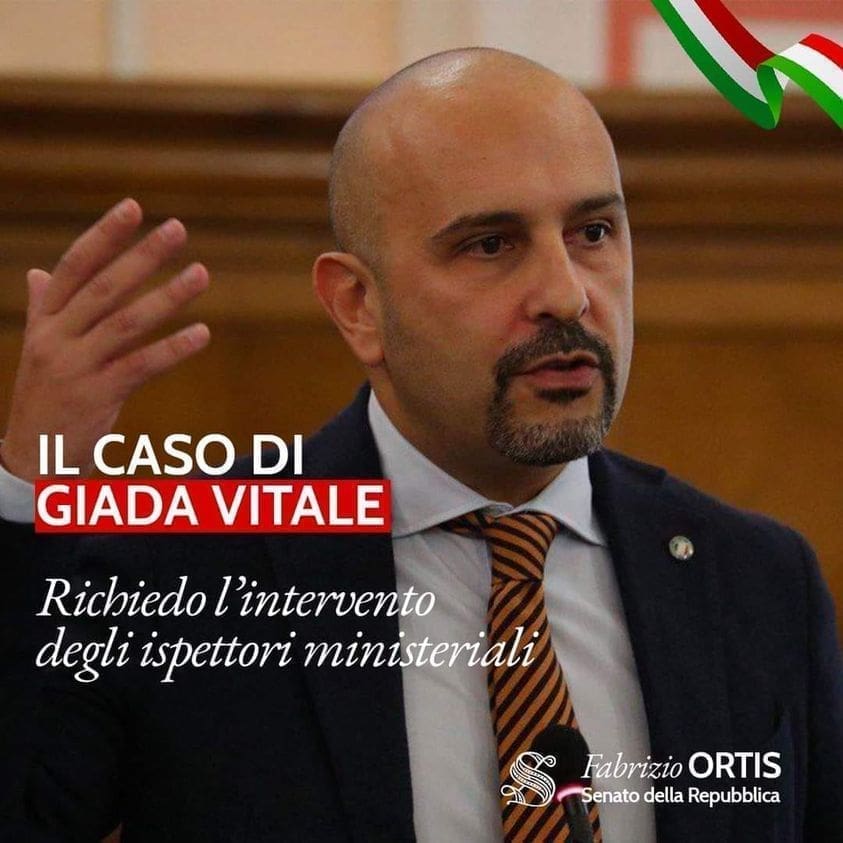
    Di Fabrizio Ortis 👇 – Sul caso di Giada Vitale, giovane molisana abusata dal parroco di Portocannone dai 13 fino ai 17 anni di età, ho presentato un’interrogazione al ministro della Giustizia, Marta Cartabia.
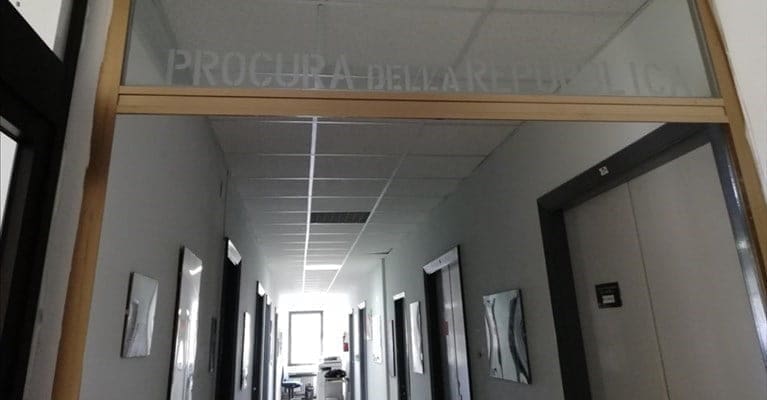
    La vittima non fu mai sottoposta né a una perizia né a un incidente probatorio. Ma dopo la riapertura delle indagini nel 2018, emersero elementi di grande rilievo sotto il profilo probatorio. Il 29 marzo scorso è stata e presentata un’ulteriore richiesta di riapertura delle indagini; nella quale non solo era condannato il parroco per i fatti avvenuti fino ai quattordici anni d’età della vittima, ma criticata altresì la decisione della Procura della Repubblica di Larino di non aver approfondito i fatti inerenti agli abusi avvenuti successivamente.
    Pensare che una ragazzina di tredici e poi quattordici anni possa avere una relazione con un uomo di 55 è un oltraggio al diritto, alla psicologia e soprattutto all’infanzia. Una posizione che può far pensare ai pedofili sia lecito manipolare e poi abusare una vittima. Il disinteressamento della Procura si è palesato inoltre anche quando la Vitale, dopo aver denunciato don Marino, è stata vittima di bullismo e diffamazione. La ragazza ha sporto più volte querela, ma le sue denunce sono state sistematicamente ignorate.
    Alla luce di una vicenda divenuta un caso di cronaca nazionale, chiedo al Governo di estendere alla magistratura e ai pubblici ministeri i corsi di formazione già previsti per il personale della polizia di Stato, dell’Arma dei carabinieri e della polizia penitenziaria dalla legge conosciuta come #CodiceRosso.
    Infine il ministro Cartabia dovrà chiarire se si intenda o meno potenziare gli organici dei tribunali periferici, inadeguati alla mole di lavoro loro richiesta che da troppo tempo sta affossando la nostra regione.
  • La Procura di Larino dice no alla riapertura delle indagini su don Marino

    La Procura di Larino dice no alla riapertura delle indagini su don Marino

    LARINO. Il Pm Ilaria Toncini, con decisione dello scorso 6 aprile, dice no alla riapertura delle indagini sugli abusi denunciati da Giada Vitale quando aveva dai 14 ai 18 anni. «Non si ritiene pertanto che sussistano nuovi spunti investigativi da approfondire e indagare con nuove indagini, rilevato da ultimi che anche l’eventuale perizia di tipo psicologico-criminologico auspicata (altro…)

  • Giada Vitale, abusi sessuali da Don Marino Genova/ “Nuova istanza per riaprire caso”

    Giada Vitale, abusi sessuali da Don Marino Genova/ “Nuova istanza per riaprire caso”

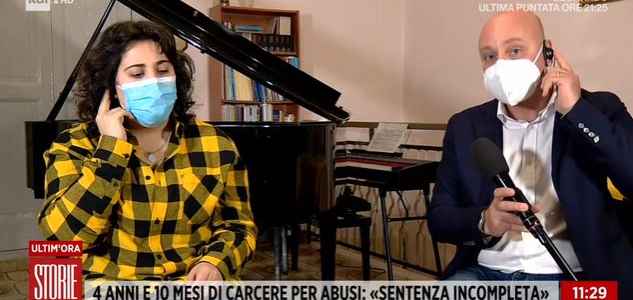
    A Storie Italiane la vicenda di Giada Vitale, una ragazza che ha denunciato un prete, Don Marino Genova, per molestie e abusi, poi condannato dalla Cassazione a 4 anni e 10 mesi.

    La vittima si dice arrabbiata: “20 giorni fa abbiamo presentato la terza istanza di riapertura visto che il mio caso era stato archiviato per ben due volte. In questi (altro…)

  • ENG – Webinar ECA – Federico Tulli

    ENG – Webinar ECA – Federico Tulli

    Good evening, thank you for the invitation to participate in this important event.

    A little over a year ago, on December 17, 2019, the pope finally lifted the papal secrecy on pedophilia cases handled by the Vatican involving priests. The civil magistracies of all countries affected by this criminal phenomenon can now therefore access the acts of canonical processes and the archives of the dioceses. But not only that. The elimination of pontifical secrecy probably also marks a turning point in terms of communication on “sensitive” issues concerning the internal affairs of the Holy See. I am thinking, for example, of the decision to make public the dossier on Cardinal MacCarrick, which has been much discussed in recent months. I would define this as a side effect of the elimination of papal secrecy. This elimination is undoubtedly an important signal in the direction of transparency and collaboration of the Holy See with foreign and international institutions, and may have important consequences in favor of the victims awaiting justice. But from the point of view of crime prevention, it should be said immediately that it does not change anything. Let’s go in order.

    Papal secrecy was codified in the document “Secreta continere” of Paul VI on February 4, 1974. It concerned (and I quote) “certain matters of major importance” and had to “be guarded with grave obligation”. That is to say, in case of violation there was excommunication. Among these secreted “affairs of greater importance” were several crimes, including violence against minors. This meant, for example, that the victim of a pedophile priest undergoing a canonical trial was never informed of the outcome of the judgment. But also that the names of pedophiles judged by Vatican judges could remain “unknown” to lay judges. With obvious consequences, unfortunately, on the safety of tens of thousands of minors around the world, since pedophile priests, after the period of prayer and penance provided as a penalty for their “sin”, almost always return to practice in parishes, to teach in religious schools, to attend oratories, scout camps and so on. As it has been documented by dozens of governmental and mixed State-Church investigations in the last decade in Ireland, Germany, USA, Holland, Belgium, Auystralia etc… In short, secrecy has been for decades – if not for centuries, since the Inquisition – one of the matrices of the spread of clerical pedophilia in the world. Now, with a guilty and unprecedented delay, the Holy See has at least remedied this.

    Another matrix of the spread of “ecclesiastical” pedophilia was and is the “reason of State”.

    Let me explain myself better with a quick example:

    On April 9, 2010 – the year in which news about these crimes finally began to be published regularly in Italy as well – the Washington Post discovered that in 1985 Cardinal Ratzinger (then pref. of the CDF) had advised against reducing to the lay state a California priest who had molested minors. The response of the Holy See was immediate: the then Prefect of the Congregation for the Doctrine of the Faith “did not cover up the case”, but only asked to study it with “greater attention” for the “good of all those involved”. In the long investigation, the WP reconstructs that, in a letter written in Latin to Bishop John Cummins, of the Diocese of Oakland, Ratzinger decided not to remove the priest. A choice that the future Pope motivated by writing verbatim “for the good of the universal Church”. And what does that mean translated into more earthly terms? To avoid public scandal. Hence the “reason of State”.

    For decades, in the name of “reason of State” and protected by papal secrecy, a very violent crime against the most defenseless human beings was buried under a gigantic and widespread cloak of silence, complicity and silence impossible – humanly speaking – to accept. It must be said, however, that if papal secrecy has been eliminated, the same cannot be said of the reason of State.

    All this concerns Italy very closely and not only for geographical reasons. In the weekly magazine Left, and then in the book Giustizia divina with Emanuela Provera, we were the first and so far the only journalists, thanks to the collaboration of the L’Abuso network, to pierce the aforementioned cloak over the ecclesiastical courts scattered throughout Italy and present in each of the more than 220 dioceses. Here is an excerpt from the story of Giada Vitale, a victim at the age of 13 of a 55-year-old parish priest.

    “There were three of us in the room: me, the judge and the notary of the Curia of Termoli. I already knew the notary, because before the hearing he told me that the ecclesiastical judge wanted a copy of my complaint to the Italian prosecutor’s office. This shows the way in which ecclesiastical justice works with the presumed victims. Moreover, Giada faced the interrogation alone, that is without a lawyer, because in these processes only the one chosen by the curia can be present, even for the witness. And she rightly refused him. “The judge was trying to get me to say that I felt affection for my rapist but I only wanted to point out that when the abuse began I was thirteen years old.” About five years have passed since the hearing and Giada has never heard anything on the record. “I was never notified of the outcome of the trial nor do I know how my statements were used.”

    Thanks to the abolition of papal secrecy, will other victims, unlike Giada, from now on know the outcome of the canonical judgment? According to the declarations of the Holy See, the answer is yes, and this would already be something in favor of the victims, because certain information could be useful to them during the Italian criminal and civil process. But what should perhaps be of most interest to us is the possibility of collaboration between the ecclesiastical authorities and the Italian civil authorities. From this point of view, however, Bergoglio’s “turning point” moves nothing. I might say, not because of the pope. In fact, the Italian law – unlike the French one, for example – for crimes of this type provides the obligation to report only for public officials, and bishops who are not public officials continue to do what they have always done: that is, not to report suspected priests to the civil authorities. This issue was also reiterated by the Italian Episcopal Conference when it explained why it did not include the obligation to report in the anti-pedophilia guidelines.

    If we add to this the fact that also the New Concordat of 1985 between the Italian State and the Holy See, in its article 4, relieves the bishops from the obligation to collaborate with the civil authority, all the nodes that have always strongly limited the investigations of the Italian judiciary when there are priests involved, with the risk of interfering with the exercise of criminal prosecution against those suspected of pedophilia and the “superiors” who transfer them from parish to parish allowing them to remain in contact with minors and repeat the abuse, remain unresolved.

    The elimination of art. 4 from the Concordat would not be a small matter. This is also stated by the cases surveyed by Rete L’Abuso and the statistics that Francesco Zanardi communicated during his speech. Personally, I have dedicated an entire book to Italy reconstructing the history of pedophilia in the Italian Church from 1870 to 2014.

    Since I wrote my first book for L’Asino d’oro on these issues in 2010, I have had the opportunity to speak with hundreds of victims. The lives of many of them continue as a function of obtaining justice for what they have suffered. There are those who – like those present – have founded an association, transforming their personal vicissitudes into a collective battle for civilization. One of the strengths of their civil commitment – perhaps the most important because it is unassailable – in my opinion lies in having understood that the real “enemy” to be fought lies in the thinking that still denies the violence suffered by the child. That is, the thought that confuses a crime (very violent against a person) with sin. In fact, we know from the psychiatrist Fagioli that pedophilia is the annulment of the human reality of the child, a sort of psychic murder.

    However, even in the Church of Pope Francis, abuse, that is, “the sexual act of a cleric with a minor,” is still treated only as a crime against morality, an offense against God, a violation of the sixth commandment. Consequently, the sinner must answer only to those who represent the Most High on Earth (the Pope), and not to the laws of the civil society to which he belongs. Well, all this is not taken into account by my fellow Italian journalists when they have to report news about alleged crimes against minors committed in the ecclesiastical sphere; and neither does the Italian State take it into account by keeping the Concordat alive, although since 1996 the legislation on crimes of a “sexual” nature against children (and women) has made enormous progress. What consequences this blindness of our institutions has on the safety of children who attend parishes, oratories, minor seminaries and Catholic schools is not only easy to imagine but has been – unfortunately – documented.

    Therefore, in conclusion, the abolition of the pontifical secret is a good thing – because in some way it can facilitate the action of the civil judiciary – but it is not enough. At least in Italy it is not enough. It would take a cultural paradigm shift that would lead the Vatican, the men of the Church, the Italian institutions and the great organs of the press to “see” rape for what it is: a violent crime that destroys the life of those who suffer it. But this would mean for believers to deny the Sixth Commandment, one of the cornerstones of religious and political power of the Catholic and Roman Apostolic Church. A temporal power that the Italian State and the Italian media still struggle to disavow.

    Federico Tulli