Osservatorio della Rete L'ABUSO

Tag: Verona

  • VERONA PRETE PEDOFILO: Vittima denuncia abusi al vescovo di Verona Giuseppe Zenti, ma lui neppure gli risponde. Nel frattempo, qualcuno fa un blitz di volantini in parrocchia

    VERONA PRETE PEDOFILO: Vittima denuncia abusi al vescovo di Verona Giuseppe Zenti, ma lui neppure gli risponde. Nel frattempo, qualcuno fa un blitz di volantini in parrocchia

    Quante sono nel veronese le vittime di padre Antenone Marangon?  

    Chissà se anche il volantinaggio avvenuto nei pressi della parrocchia di S. Maria Ausiliatrice nelle notti scorse (dove Marangon esercitava), è mano di un altra presunta vittima del prete, magari anche lei delusa da Zenti & C.

    Non sappiamo con esattezza – presumibilmente nelle notti tra venerdì e sabato, forse domenica – qualcuno ha affisso, nei pressi della parrocchia di S. Maria Ausiliatrice, dei volantini di denuncia nei confronti di un prete pedofilo, presumibilmente padre Antenone Marangon, già accreditato all’Associazione Rete L’ABUSO con accuse di pedofilia.

    A darne notizia è un nostro assistito, vittima che nel 2017 ha denunciato all’autorità civile e, nel marzo 2018, anche alla chiesa, nelle persone del vescovo di Verona Giuseppe Zenti, parrocchia di (povera) Santa Maria Ausiliatrice e alla Congregazione di Santa Maria Immacolata, le violenze sessuali commesse dal prete veronese. Inutile dire che dalla chiesa non ha ottenuto alcuna risposta alla sua denuncia, tuttavia, quanto ci segnala il nostro assistito, darebbe ulteriore credito al fatto che il sacerdote accusato in quei volantini sia proprio Marangon.

    Sui volantini appare come riferimento, il logo e la mail della nostra associazione “Rete L’ABUSO” e dal momento che noi non abbiamo affisso i volantini, è verosimile pensare che un’altra presunta vittima, probabilmente dopo aver letto il racconto del nostro assistito, a suo modo si sia fatto avanti.

    Come associazione, ci limitiamo solamente ad invitare questa persona a contattarci; anche se i recapiti a quanto pare li conosce, li proponiamo per altri info@retelabuso.org .

    Francesco Zanardi

  • That tacit agreement between the State and the Church that guarantees the impunity of Catholic priests from prison in Italy

    That tacit agreement between the State and the Church that guarantees the impunity of Catholic priests from prison in Italy

    Geneva 7 February 2019; “The Committee is concerned about the numerous cases of children being sexually abused by religious personnel of the Catholic Church in the territory of the Member State and for the low number of criminal investigations and prosecutions by the Italian judiciary”.

    di Francesco Zanardi – These are not our words but those of the United Nations High Commissioner for Human Rights, more precisely those contained in the recommendations of 7 February (point 21 of the report) that the Committee for the Rights of the Child disputes with Italy – in this case – against the Italian Justice, but continuing, in the same document, also against the Italian Government defaulting and conniving, to the detriment of Italian minors “sacrificed to the clergy” for mere diplomatic relationship, with a foreign state, leader in the world for pedophilia: the Vatican.

    What I will tell you has been widely documented and confirmed also by two investigative journalists, Emanuela Provera and Federico Tulli, who have even made a book “Giustizia divina” (publisher-Chiarelettere)

    It all starts in 2014, when, after four years of activity of the newly formed Associazione Rete LʻABUSO, the documents of the various criminal cases that the association was following throughout Italy starting to arrive.

    I began to notice, in various precautionary measures of the various prosecutors of the Republic of our peninsula, that many priests under investigation and under house arrest, many of them ended up in five structures, scattered from north to south of Italy. Although I had noticed this, I didn’t get to anything specific.

    But in November 2016, in the middle of the night and seized by euphoria, my colleague from the Verona association for deaf students who were abused in the Catholic Institute Antonio Provolo in Verona, called me. He told me that Don Nicola Corradi (a paedophile priest who fled Verona in 1970) was arrested in Mendoza (Argentina). With him three other people.

    The colleague asks me for help, they have thirty years of papers of the alleged victims (a hundred deaf children, now adults, who have never obtained justice), of the 27 priests and lay brothers accused of abuses in the Provolo of Verona, an infinite correspondence between them and the diocese. But in that tide of documents produced, they didn’t know where to start.

    The folder was actually huge and incomprehensible to me, I didn’t even know the facts well, nor the characters. I decided then to make the first selection, eliminating all the documentation relating to deceased priests, and other data at that time not detected or incomprehensible, which I later saw again in a clearer context.

    It was during that selection that at a certain point I arrived at Don Giuseppe Pernigotti. My eye fell on him because the Provolo Institute is a Congregation of Pontifical Right and the congregations, in general, even when they transfer them, always keep the priests inside them. Don Pernigotti instead no. It was, in my opinion strangely, to Fabrica (VT). I thought that I had to go deeper.

    I searched on the internet and “tombola”, at first sight, I discover that Don Pernigotti was the President of the FIAS (Italian Federation of Priest Assistance) and while surfing the site, I understood about the FIAS assistance structures. A blow came to me, they were the same structures that returned to me in the documents of the various Italian prosecutors, the same to which the suspected priests were entrusted to the domiciliation. (Data confirmed by the heads of the structures and contained in the book-inquiry Divine Justice)

    I decide that the issue must be deepened, but I don’t know how: a similar investigation is very expensive, and Rete L’Abuso does not have the resources.

    I spent a few weeks, crossing the data I acquired. They were all connected, but I didn’t understand, until an LA7 journalist, Luca Bertazzoni, calls me asking if I had any case. I take the ball by introducing Don Pernigotti as one of the accused by Provolo’s students. I told Bertazzoni that I found him at Fabrica, where, in the meantime, I had sent an associate of ours to verify that he was the same Pernigotti of the Provolo. Luca Bertazzoni did the service, here he is:

    Link to the video:

    It emerges that Don Giuseppe Pernigotti manages or, at least, is at the head of a structure that appears to be assisting priests, but favouring them with a series of professionals and solutions that help them avoid civil justice. In the follow up of my investigation I discover that the FIAS is present throughout Italy, the one managed by Pernigotti was only the headquarters, whose website disappeared immediately after the service of LA7.

    Finally, in my mind, many circles had closed and what was previously smoky, now it was very clear, too much. But who was I going to tell him about? I also knew that it was Justice itself that entrusted those under suspicion or the condemned to those facilities.

    However, thanks to that service by Bertazzoni, who had pretended to be a pedophile priest and to whom don Giuseppe Pernigotti gave a “pizzino” with the indications, names and phone numbers to which to turn, I made a more detailed check. In the “pizzino” indicated the Agape Community that I already knew, but going deeper I will discover something that worries me. The Community is based in Via Forte Bravetta 338 (in the map on the side is indicated by the purple square) and borders with the Department of Penitentiary Administration, the National Autonomous Police Union and a dislocated seat of the Ministries of Grace and Justice. Of course from there, to advance and argue that there was a “cover-up” network run by the church and tolerated by the Italian state, what I had was not enough.

    While deepening all this, I had repeatedly compared myself with one of the two authors of the book, Federico Tulli, a person I have known since 2010, whom I esteem and trust and with whom I often compare myself as he is also very experienced in the subject, already author of two books: “Church and pedophilia” and “Church and pedophilia the Italian case”.

    Federico and Emanuela had already begun to investigate since the beginning of 2015, launching a journalistic investigation that will last almost three years, visiting these structures in person, interviewing those who direct them and documenting them. During their investigation, the number of facilities rises to 18, today we have identified 21.

    What are these structures and how do they provide the clergy with impunity from prison?

    (as you will discover in the book “Giustizia Divina” not only to paedophile priests)

    As also confirmed by Provera and Tulli, who were able to enter in those structures, they appear as normal pensioners, with bedrooms, common areas, TVs etc. There is no control of the police, as normally happens to those who are under house arrest. You can receive visits, or at least nothing prevents it.

    You can enter and exit with extreme ease. A group of priests in 2016 have confirmed that: worried about the comings and goings of faces known to the judicial chronicles,  they pointed out the Villa Sacro Cuore (PG) structure.

    But the most sensational case, which once again confirms the criticality as well as the lightness of the “home detentions” enjoyed by the clergy, is the case of Don Ruggero Conti, definitively sentenced to 14 years on the charge of having abused 7 children between 10 and 12 years old. He never did a day in jail (health reasons), he too was entrusted to a facility (which we will later discover used to care for adolescents) from which, without difficulty, in September 2017 he escaped, with so much money at his disposal to afford a taxi from Rome to Milan.

    These are just a few cases and they are by no means the reason why Rete L’Abuso is firmly convinced – at this point, as we shall see, until there is evidence to the contrary – that exists between the Italian State and the Church, a tacit agreement that guarantees to the clergy impunity from prison.

    We provide some numbers and some other data

    From how it emerges on our map, removed the priests still awaiting trial, we count in the last 15 years, in Italy, at least 143 sentences definitively, we ignore which is the real submerged.

    The authors of the book “Divine Justice” took the trouble, not only to verify what I claimed about the structures but, having removed the juvenile and female prisons, they asked the other 191 Italian prison facilities, how many priests have in charge.

    125 prisons replied; only five priests, one of whom was convicted of pedophilia.

    And all the others, what happened to them?

    The perception for public opinion is that justice takes its course and condemnations, while instead most often do not make a single day in prison, on the contrary, the anomaly at this point rises on those 4 plus the 5th paedophile, who had a similar difference in treatment compared to other colleagues.

    But the “holy” privileges and “divine” immunities that the Italian State provides to the clergy, unfortunately, are not limited to this and the damage to society, on this turn, is even worse.

    I speak of the c.d. anti-pedophilia certificate, from which, by courtesy of the legislator, the clergy is exempt. And it is here that the connivance between state and church really scrapes the bottom of the barrel because on the constitutional basis it is already anomalous that a category should be privileged with this exemption: privileging only the priests would have been really too conspicuous and so, our legislator, not has exempted the priests, but precisely the whole category to which they belong, volunteering. Paradoxically, the category has always been more at risk.

    Thanks to this luminary choice of the legislator – which legally becomes a civil responsibility – today paedophiles, not just priests, know that the Italian state has reserved volunteering for them, as a fertile hunting ground.

    One of our legal advisors, the lawyer Mario Caligiuri of the Court of Rome (holder of the dossier in question) explains, with regard to the canonical rite, that “In this way it is generated by another court, in advance of the celebration of the ordinary rite, an unreasonable imbalance in favour of the alleged abuser »

    “Not only is the assistance of the defender of those who has denounced the abuse not admitted in the ecclesiastical justice hall, but above all the psychological support of technicians with proven experience legitimized to work because the victim, a person who has suffered one, is denied. emotional upheaval does not incur the creation of false memories. Until it fails to comply with the provisions for the care and support of victims of the Lanzarote Convention “.

    “Thinking about counter-examination, the most disturbing figure emerges from the side of constitutional guarantees.

    The defence of a priest, already accused of abuses by the Vatican, has the advantage of acquiring, before the possible Italian trial, the narrative re-enactment that the victim will give of the historical fact, the weak points on which to tread the hand, the peculiarities even character, its emotional reality ».

    With this information, you have the chance to make it fall into contradiction. “It is no coincidence that the reciprocal study of the adversary is a given that lawyers treat a lot in the processes – confirms Caligiuri -. We are therefore in the presence of unequal treatment in favour of Catholic priests compared to any other Italian citizen ».

    In 2012, Italy ratified this protocol for the protection of children against sexual exploitation and sexual abuse. Countries that are not members of the Council of Europe can also join, but the Vatican has never done so.

    However, the canonical trials take place in the dioceses, on Italian soil, and this is, in fact, a violation by the church that, thanks to the complicity of the Italian institutions, which pretend not to see, finds not only the constitutional guarantees of citizens disregarded but also various international treaties and conventions to which Italy has adhered.

    But there is more to support our accusations against the state. The complicit silence of the institutions

    “An important excerpt from the movie Spotlight, at the end he cites those that in 2000, like today in Italy, were the centers that Rete L’Abuso and the book “Divine Justice”, we denounce today in Italy”. Richard Sipe, who worked in the treatment centers and who in this article we cite for his report, as part of the “Projections” on the phenomenon in Italy is already mentioned.

    Among the most industrialized countries, Italy is the only one that has never considered – despite the impressive data emerging from other countries – the need to quantify the extent of the phenomenon.

    The Irish colleague Mark Vincent Healy, an expert on statistics, based on the data emerged from the governmental inquiry commissions carried out all over the world has produced a projection of the Italian data, the extent of the abuses in Italy has the potential to be the greatest of any country.

    And yet we did not lack the stimuli and requests to the Government to tackle the problem.

    – On 27 September 2017, thanks to the Deputy Matteo Mantero, Rete L’Abuso manages to deposit in Italy the first parliamentary question addressed to PRESIDENCY OF THE COUNCIL OF MINISTERS, MINISTRY OF THE INTERIOR, MINISTRY OF JUSTICE, MINISTRY OF FOREIGN AFFAIRS AND COOPERATION INTERNATIONAL. To date, no answer, the question still lies on the website of the Chamber of Deputies.

    –On 19 February 2018, through the lawyer Mario Caligiuri, the ABUSE Network sends a warning to the following institutions; PRESIDENCY OF THE REPUBLIC, PRESIDENCY OF THE COUNCIL OF MINISTERS, REGIONAL INFORMATION CENTER OF THE UNITED NATIONS – UN COMMITTEE FOR THE RIGHTS OF THE CHILD, PRESIDENCY OF THE 12TH SOCIAL AFFAIRS COMMISSION.

    Also, in this case, there will be no response from the Italian institutions.

    –On October 18, 2018, again the Lawyer Mario Caligiuri, on behalf of Rete L’Abuso, denounces the Government to the Judicial Authority, based on the non-response and the consequent serious non-fulfilment by the State against minor citizens, already known from previous communications.

    A few days later, this file will also be archived. Although it contained news of a crime, the Public Prosecutor’s Office limited itself, in the reasons, to file for territorial incompetence.

    The whole affair was reported by the Associazione Rete L ‘ABUSO, to the United Nations High Commissioner for Human Rights, among the documents of the 80th section held in Geneva on 22 and 23 January.

    On 7 February 2019, the Committee for the Rights of the Child of the United Nations gave us reason, disputing to the Italian State the points we report below, which only concern the matter that Rete the ABUSE, by Statute, pursues. (here the full text in Italian)

    The video of the UN Committee Member Jorge Cardona who raised the topic during the two days of the session, is also shown on the video. The intervention is very short, the Italian State, even in that place did not give answers but limited itself to exposing, as measures, the same points that were the subject of the dispute.

    Video of the interrogation of UN to Italy:

    Below, in point 21 of the recommendations of the Committee for the Rights of the Child, as contested by Italy by the United Nations. Here are the points raised in our “Justice Report on the Italy case” speaker for the Network LUSA ABUSO Francesco Zanardi.

    Exploitation and sexual abuse

    1. Welcomes the national plan for preventing and combating the abuse and sexual exploitation of children 2015-2017 and the revitalization of the Observatory to combat pedophilia and child pornography, the Committee is concerned about the many cases of children victims of sexual abuse by religious personnel of the Catholic Church in the territory of the Member State and for the low number of criminal investigations and prosecutions by the Italian judiciary. With reference to its previous recommendations (CRC / C / ITA / CO / 3-4, par. 75) and to the general comment n. 13 (2011) on the child’s right to freedom and against all forms of violence against him and taking note of Objective 16.2 for Sustainable Development, the Committee recommends that Italy:

    (a) Adopt, with the active involvement of children, a new national plan to prevent and combat the abuse and sexual exploitation of children and ensure their uniform implementation throughout its territory and at all levels of government;

    (b) Establish an independent and impartial commission of inquiry to examine all cases of sexual abuse of children by Catholic Church religious personnel;

    (c) Guarantee the transparent and effective investigation of all cases of sexual violence allegedly committed by religious personnel of the Catholic Church, the prosecution of the alleged perpetrators, the adequate criminal punishment of those who have been found guilty, and the compensation and rehabilitation of child victims, including those who have become adults;

    (d) Establish sensitive channels for children, for children and others, to report on the violence suffered;

    (e) Protect children from further abuse, inter alia by ensuring that people convicted of child abuse are prevented and dissuaded from contact with children, particularly at a professional level;

    (f) Undertake all efforts towards the Holy See to remove obstacles to the effectiveness of criminal proceedings against the Catholic Church’s religious suspected of violence against minors, particularly in the Lateran Pacts revised in 1985, to combat impunity of such acts;

    (g) To make the reporting of any alleged violence against children to the competent authorities of the Member State obligatory for everyone, even for the religious personnel of the Catholic Church;

    (h) Amend the legislation implementing the Lanzarote Convention to ensure that it does not exclude volunteering, including the Catholic Church’s religious personnel, from its prevention and protection tools.

    With the Motu Proprio, Pope Francis confirms impunity from the penal trial for priests who abuse minors outside the Vatican and embassies.

    It would be advisable, as well as a duty to report, for constitutional duty, that the press ask the State to account for this serious situation. But except for the Left magazine, which in recent years has given visibility to the case, everything is silent, despite our complaints.

    Francesco Zanardi

    President of the ABUSE Network (Association of survivors of sexual abuse of the clergy)

    among the founding members of the international ECA Global

    and President of the Human Rights Connect ABUSE Network

  • Caso Provolo: avrebbero chiesto l’arresto di altri sacerdoti accusati di abuso sessuale

    Caso Provolo: avrebbero chiesto l’arresto di altri sacerdoti accusati di abuso sessuale

    Di Julián Maradeo

    “Verrai a sapere cose brutte, e molte sono verità”, lo avvertì Robert Frainer, ex superiore mondiale dell’Istituto Provolo, a Gustavo Ariel Chamorro, in quel momento direttore della sede di la plata. Aveva ragione.

    Da che istallarono pubblicamente gli abusi ai quali preti, suore e laici  sottomettevano i bimbi sordi in Luján de Cuyo, Mendoza, e La Plata, si seppe che molti dei sacerdoti accusati erano stati inviati per lo stesso motivo da Verona, Italia; che sceglievano quei bambini i cui genitori non erano sordi per far sì che non potessero raccontare quello che soffrivano; che la suora giapponese Kumiko Kosaka prima li picchiava per vedere quali resistevano e quali potevano ribellarsi; che Nicola Corradi era accusato di vendere lotterie per tenersi il denaro; che il Papa sapeva come minimo dall’ottobre del 2015, ossia un anno prima delle prime denunce nella provincia di cuyo; che una magistratura di mendoza aveva fatto caso omesso ad una denuncia nel 2008, tra le altre tante rivelazioni, tuttavia, se si presta attenzione e si incrociano le testimonianze delle cause che si sviluppano in entrambe le province, continua a complicarsi la trama.

    Da circa due anni, quando ero nel pieno processo di indagine per “La Trama degli abusi e delitti sessuali nella chiesa Cattolica”, ho avuto accesso al fascicolo che sviluppava l’allora magistrato platense Fernando Cartasegna. in uno dei fogli appariva un riferimento alla colonia di vacanza che il provolo ha in Valeria del Mar, partito di Pinamar. Situata in Pedro de Mendoza N°2287, questa casa oggi, a causa dello scandalo internazionale è chiusa ed in stato di abbandono.

    Nel caso di La Plata, colui che parlò di questo fu il menzionato Chamorro, il quale, nella sua testimonianza, focalizzò che il prete italiano Corradi- oggi in carcerazione preventiva in Mendoza- portava i bambini, negando la possibilità che fossero accompagnati dai loro genitori, alla casa di Valeria del Mar. quEsto focus è apparso anche in  Mendoza, dove una delle madri raccontò che, durante un viaggio a questa delegazione costiera, nel 2015, una delle alunne riportò che vide come una delle docenti portava un bimbo a Horacio Corbacho, oggi detenuto e processato per corruzione aggravata di minori.

    Ma il racconto più duro lo raccolse, recentemente, l’attuale magistrato della causa in La Plata, Cecilia Corfield. Fu quando prese la testimonianza al sopravvissuto Lisandro Borrelli, il quale è stato nel Provolo tra il 1989 ed il 1993. nella sede della capitale buenos aires, fu legato per ore ad una rotaia che c’era nel sottosuolo della cucina e, alcune volte, lo tennero anche chiuso nella gabbia per i conigli. Un’estate fu trasferito alla casa del Provolo in Valeria del Mar, dove lo obbligavano a fare le pulizie nella stessa e lo legavano ad un albero per castigarlo. Un dato in apparenza aneddotico, ma che può non esserlo: quando lo portavano alla spiaggia, i preti gli proibivano di identificarli come tali.

    Se si incrociano le differenti testimonianze, la linea del tempo si estende dall’inizio egli anni novanta fino al 2015. Ossia, un quarto di secolo. La domanda si pone sola: in Pinamar nessuno ha visto, sentito o saputo niente di niente?

    Dall’altra parte, un altro focus non sviluppato in nessuna delle cause è quella delle testimonianze che indicarono che Corradi portava bimbi dalla sede che il Provolo ha in Asunción, Paraguay. Attualmente, continua a funzionare ed è a carico del ramo femminile dell’istituto, che si trova sotto il nome di Fortunata Gressner.

    Fonti autorizzate hanno segnalato che è imminente una nuova serie di domande d’arresto, una di queste ricadrà su uno dei preti italiani inviati per avere commesso lo stesso delitto in Verona. Si tratta di Eliseo Primati, di 82 anni, che risiede nella casa madre. Quando sia così, la decisione di se l’estradizione è effettiva o no, sarà di Francesco. Il suo caso è un altro esempio della goffa lentezza con la quale si gestisce la giustizia, poiché questo prelato è stato nel paese fino a dicembre del 2017, momenti nei quali la causa era assolutamente paralizzata.

    Primati appare nella lista che il commissario apostolico Alberto Bochatey ha consegnato a Corfield. In essa, c’è anche Giovanni Granuzzo. Anche se molti lo davano per morto, si trova vivo ed in Verona. Granuzzo, nominato dalle vittime italiane come uno dei loro aggressori sessuali, si trovava insieme a Corradi e luigi Spinelli, tra gli altri, nel file che il sopravvissuto italiano Giuseppe Consiglio gli consegnò il 28 di ottobre del 2015, nell’aula Paolo VI, a Francesco, per informarlo dove stava ciascuno degli accusati. tuttavia, il Vaticano non fece niente fino a che si convertì in uno scandalo mondiale.

    https://www.infobae.com/sociedad/2019/03/20/caso-provolo-pedirian-la-detencion-de-otros-sacerdotes-acusados-de-abuso-sexual/?fbclid=IwAR2a5dFjRKhjU7Irkfm6NH-feZKivvjIsOolYckYKhsXiEd-MfQVff4lXBc

  • ‘The pope ignored them’: Alleged abuse of deaf children on two continents points to Vatican failings

    ‘The pope ignored them’: Alleged abuse of deaf children on two continents points to Vatican failings

     When investigators swept in and raided the religious Antonio Provolo Institute for the Deaf, they uncovered one of the worst cases yet among the global abuse scandals plaguing the Catholic Church: a place of silent torment where prosecutors say pedophiles preyed on the most isolated and submissive children.

    The scope of the alleged abuse was vast. Charges are pending against 13 suspects; a 14th person pleaded guilty to sexual abuse, including rape, and was sentenced to 10 years in prison. The case of the accused ringleader — an octogenarian Italian priest named Nicola Corradi — is set to go before a judge next month.

    Corradi was spiritual director of the school and had a decades-long career spanning two continents. And so his arrest in late 2016 raised an immediate question: Did the Catholic Church have any sense that he could be a danger to children?

    The answer, according to a Washington Post investigation that included a review of court and church documents, private letters, and dozens of interviews in Argentina and Italy, is that church officials up to and including Pope Francis were warned repeatedly and directly about a group of alleged predators that included Corradi.

    Yet they took no apparent action against him.

    “I want Pope Francis to come here, I want him to explain how this happened, how they knew this and did nothing,” a 24-year-old alumna of the Provolo Institute said, using sign language as her hands shook in rage. She and her 22-year-old brother, who requested anonymity to share their experiences as minors, are among at least 14 former students who say they were victims of abuse at the now-shuttered boarding school in the shadow of the Andes.


    Priest Nicola Corradi is handcuffed to a wheelchair during a Dec. 22, 2016, court appearance in Argentina’s Mendoza province. (Emmanuel Rodriguez Villegas/AP)

    Vulnerable to the extreme, the deaf students tended to come from poor families that fervently believed in the sanctity of the church. Prosecutors say the children were fondled, raped, sometimes tied up and, in one instance, forced to wear a diaper to hide the bleeding. All the while, their limited ability to communicate complicated their ability to tell others what was happening to them. Students at the school were smacked if they used sign language. One of the few hand gestures used by the priests, victims say, was an index figure to lips — a demand for silence.

    “They were the perfect victims,” said Gustavo Stroppiana, the chief prosecutor in the case.

    And yet they may not have been the first. Corradi, now 83 and under house arrest, is also under investigation for sexual crimes at a sister school in Argentina where he worked from 1970 to 1994. And alumni of a related school in Italy, where Corradi served earlier, identified him as being among a number of priests who carried out systematic abuse over five decades. The schools were all founded and staffed by priests from the Company of Mary for the Education of the Deaf, a small Catholic congregation that answers to the Vatican.

    The Italian victims’ efforts to sound the alarm to church authorities began in 2008 and included mailing a list of accused priests to Francis in 2014 and physically handing him the list in 2015.

    It was not the church, however, but Argentine law enforcement that cut off Corradi’s access to children when it shut down the Provolo school in Lujan. Argentine prosecutors say the church has not fully cooperated with their investigation.

    As Francis prepares to host a historic bishops’ summit this week to address clerical sexual abuse, the lapses in the case — affecting the pope’s home country of Argentina and the home country of the Roman Catholic Church — illustrate the still-present failures of the church to fix a system that has allowed priests to continue to abuse children long after they were first accused.

    Corradi’s lawyer declined multiple interview requests for this article and did not respond to emails seeking to speak with the priest. Attempts to reach Corradi through his family were unsuccessful. The Vatican declined to comment on a detailed list of questions.

    But Anne Barrett Doyle, co-director of the abuse-tracking site BishopAccountability.org, said the Provolo case “is truly emblematic.”

    “The church failed them abysmally. The pope ignored them, the police responded,” she said. “It’s a clear example of the tragedy that keeps playing out.”

    As in Argentina, deaf students from the Provolo schools in Verona, Italy, kept their experiences of sexual abuse to themselves for years. But after they started opening up, they worked from bottom to top to inform the Catholic church, according to letters and other documents. They wrote to the local bishop in 2008. Soon after, they provided a list of accused priests and religious figures to the local diocese. By 2011, a list of names was with the Vatican. By 2015, a list was in the hands of the pope.

    The rumblings started with Dario Laiti, a former student who came forward in 2006 after noticing a new children’s facility in the town and worrying that abuse might be happening there, as well.

    “I was the first,” said Laiti, who for years had made excuses when his wife asked why he hadn’t wanted children.

    Soon, more than a dozen other former students were telling their stories, using an improvised mix of sign language and limited speech. Their accounts ranged in time between the 1950s and 1980s. As adults, they had become woodcutters, delivery men, factory workers. Some were unemployed. Few had sustained relationships. One of their schoolmates had committed suicide.

    One student, Alda Franchetto, said she had tried to confide in her parents years earlier — running away from the school as a 13-year-old in a burst of euphoria and explaining to them what was happening to her there. Her parents, she said, didn’t believe her and returned her to the institute.

    “They said, ‘You need this to learn how to speak and write,’ ” Franchetto said.

    By the time the adult former students started reporting their abuse, it was too late to press criminal charges. But it was not too late for accountability through the church. They wrote to the local bishop in 2008, informing him of their claims. Soon after, at the request of a journalist from the Italian news magazine L’Espresso, 15 former students took another step: writing sworn statements describing sodomization, forced masturbation and other forms of abuse. The statements named 24 priests and other faculty members, including Corradi. The student association said dozens of others had experienced abuse but did not want to come forward publicly.

    Alda Franchetto said her parents didn’t believe her when, at age 13, she tried to tell them about the abuse she experienced at school. (Simone Padovani/Getty Images)

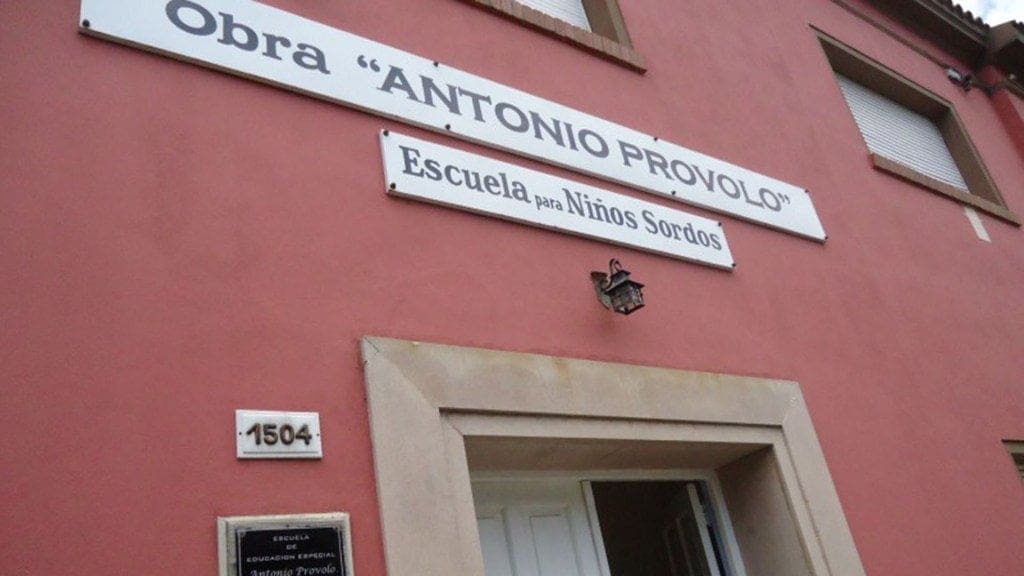
    The Antonio Provolo Institute in Verona was among the schools founded by the Company of Mary for the Education of the Deaf. (Emanuele Amighetti/For The Washington Post)

    The bishop, Giuseppe Zenti, was dismissive. In a news conference, he called the allegations “a hoax, a lie, and nothing more,” and he noted the association for former students was involved in a property dispute with the Provolo Institute. The former students filed defamation charges against Zenti and included their statements as part of the lawsuit — essentially handing the names of the accused priests to the diocese.

    The case caught the notice of the Vatican, which in 2010 asked Zenti to look more deeply into the claims, according to church letters. The local diocese brought in a retired judge, Mario Sannite, to investigate.

    “That’s how I found myself in the middle of this story,” Sannite said.

    Sannite became the on-the-ground representative of the Holy See, asked to relay his findings — and his analysis — to the Vatican’s Congregation for the Doctrine of the Faith. In December 2010 and January 2011, Sannite interviewed 17 former students from Provolo, with the help of a sign-language interpreter. He said the accounts were harrowing, and he later wrote that there was no reason to doubt the “majority” of the accusations. In the report sent to the Vatican, though, Sannite wrote that he had doubts about one former student, the only one who happened to name Corradi as an abuser — even though some of the others interviewed had overlapped with Corradi’s time at the school.

    Gianni Bisoli, a then-62-year-old ski instructor, accused 30 religious figures and other Provolo faculty members of abusing him — a number far beyond the others. And his allegations were particularly explosive; one of those he accused was Giuseppe Carraro, the bishop of Verona in the 1960s and 1970s, who after his death was on the path to canonization.

    “Bisoli’s statements were likely deemed quite dangerous,” said Paolo Tacchi Venturi, a lawyer who at the time was representing the victims.

    With the help of a sign-language interpreter and Tacchi Venturi, Bisoli spoke with Sannite for 12 hours, over the course of three days, according to records. Others who were in the room told The Post that Bisoli described the abuse in detail.

    In interviews with The Post, Bisoli recounted that he was abused by Corradi several times, including once when he had been corralled along with two other children into a bathroom reserved for priests. In that instance, Bisoli said, he was ordered against a wall by Corradi and two other religious figures. Bisoli remembered Corradi sodomizing him with his finger.

    Sannite assessed that Bisoli was certainly a victim of abuse. But in the report he wrote, which was sent through Verona’s diocese to the Vatican, the former judge said it was implausible that Bisoli could have been abused by so many — that the institute he described was akin to an “infernal circle.” Sannite noted that some of Bisoli’s dates did not match, and some of the accused did not appear to be at the institute in the years Bisoli described. Sannite also offered another theory: that Bisoli “repackaged his overflowing allegations by drawing from the collection of his own experiences as a homosexual” adult.

    In an interview at his home last month, Sannite read from the report, though he did not share a copy with The Post. When asked why a gay man might be less likely to accurately describe abuse, Sannite said, “It’s not as if I can say there are differences.” Then he asked why he was being asked such a question. Later, Sannite wrote in an email that he did not mean to draw a connection between Bisoli’s credibility and his sexuality.

    Bisoli, in an interview, said it was “offensive” and a “provocation” that anybody’s sexuality in adulthood might figure into an assessment.

    Following church guidelines, Zenti wrote a letter to accompany the report to the Vatican, according to the Diocese of Verona, which declined to share it with The Post. But Zenti remained skeptical about the claims and said in 2017 testimony — conducted as part of a separate lawsuit — that even a word like sodomization would be “hard to convey for a deaf-mute.” The bishop also reported hearing a theory that the Veronese victims were behind the claims in Argentina, as well, perhaps as a way to “gain possession of the nice properties of the institute in those places.”

    Based on the investigation in Verona, the Vatican punished only one priest, Eligio Piccoli, who was ordered to a life of prayer and penance away from minors. Three other priests were given admonitions — essentially warnings that the Vatican was watching future behavior.

    A church official in Verona said the allegations against Corradi were not looked at closely in large part because of the assessment about Bisoli. “We acted on the broad premise that Bisoli wasn’t deemed reliable,” Monsignor Giampietro Mazzoni said. “In this case, perhaps, making a mistake — since we didn’t know then what would later happen in Argentina.”

    One of the other former students who Bisoli said was in the priests-only bathroom, Maurizio Grotto, has offered conflicting accounts of what happened. He told Sannite he was not abused by Corradi and said in an interview with The Post that he was. Another former Provolo student, Franchetto, said in an interview that she was molested by Corradi but had tried for years, “as a measure of self-defense,” to forget his face. She did not tell the Vatican investigator about her experiences. The president of the association representing the Italian victims, Giorgio Dalla Bernardina, said he knows of other Corradi victims who have been unwilling to speak publicly.

    Lawyers involved in the case and experts on clerical abuse say the church failed to examine whether the pattern of abuse in Italy was playing out at the overseas Provolo locations where Italian priests had been sent. Some dioceses in the United States report abuse accusations to law enforcement no matter what — even if the accused priest is deceased or if the statute of limitations has expired — and suspend priests from ministry as accusations are being investigated. The Diocese of Verona said it did not contact law enforcement.

    Tacchi Venturi, the lawyer who had represented the victims during the hearing, said the Vatican made one other error — a “logic contradiction” — by acknowledging that Bisoli was abused but not looking into who might have abused him.

    “If you say he suffered abuses, and you believe he was a victim, and he says he was abused by people, then you hear them all,” Tacchi Venturi said, noting that the task was easier because only some of the accused were still alive. “You go on and interrogate all of them.”

    Pope Francis asks the victims to pray for him

    The Italian victims believed that if anybody could better handle abuse cases, it was Francis, who was selected as leader of the church in 2013 — two years after the Verona inquiry — and who announced the creation of a new commission on child protection. The former Provolo students wrote to Francis in late 2013, giving a broad timeline of their case. They said they didn’t hear anything back. In 2014, according to postal receipts, they tried again, with more direct language — mailing to the pontiff’s Vatican address a list of the 14 alleged abusers they felt had gone largely unpunished. They received no response from Francis or others in the Vatican.

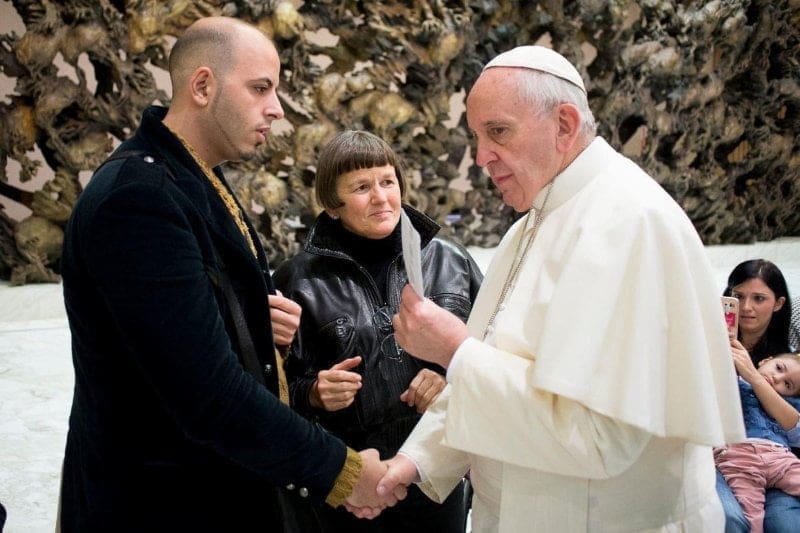
    So, in October 2015, 20 people from Verona — most of them victims of abuse — boarded a train to Rome. They had no certainty of meeting the pope, but they targeted a day the Vatican was recognizing people with disabilities. And indeed, after Francis held Mass at St. Peter’s Square, a Vatican official invited two of the people from Verona to a small event with the pontiff. Paola Lodi Rizzini and Giuseppe Consiglio took their place near the stage of Paul VI Audience Hall holding a letter — later reviewed by The Post — listing the same 14 names.


    Giuseppe Consiglio, the youngest of the Verona victims’ group, said he wanted the Vatican to “open its eyes” and “close the schools.” (Emanuele Amighetti/For The Washington Post)

    Consiglio, now 29, was the youngest of the victims from Verona. He’d attended school in the late 1990s, and he had come forward in 2012 — after the Vatican’s investigation. But he was upset with the Vatican’s response. He said he wanted the Vatican to “open its eyes” and “close the schools.” He told The Post that his own childhood had unraveled because of abuse. He said he was raped hundreds of times by a priest who was “rough” but careful not to get Consiglio’s blood on his cassock. Consiglio tried to jump out a school window when he was 12 but was stopped by a nun. He was treated with antipsychotics. Into his adulthood, he lived at home, with few friends. He was so terrified of being locked into rooms that he hoarded his family’s keys.

    Then, inside the Vatican, he was eye to eye with Francis.

    Lodi Rizzini recalls speaking first and telling the pontiff they were there representing a victims’ group from Verona.

    “I said, ‘Giuseppe is a victim of sexual abuse, and he has a letter from all victims,’ ” Lodi Rizzini said.

    Consiglio handed Francis the envelope. A Vatican photographer documented the moment.

    The letter inside appealed to the pontiff by saying the church’s behavior in their case was “absolutely not aligned with the zero tolerance of Pope Francis.” It said the church had let priests and other religious figures who had abused them go on to live “normal lives.”

    Then a paragraph listed 14 priests and lay brothers that the victims believed were still alive. The list included Consiglio’s own alleged abuser, a handful of figures who had not been punished in Italy and four said to be in Argentina — including Corradi.

    Lodi Rizzini and Consiglio remember Francis receiving the letter and handing it off to a deputy without opening it. Photos show Francis blessing both Lodi Rizzini and Consiglio by touching them on the head. Both of them remember Francis, before walking away, saying, “Pray for me.”

    People involved in the case say the former students’ plea did not appear to prompt the church to take a closer look at any of the named priests.

    Four months later, in February 2016, a letter arrived in Verona from one of Francis’s close lieutenants, then-Bishop Angelo Becciu, who held a key position in the Secretariat of State. Becciu wrote that His Holiness “welcomed with lively participation what you wanted to confide in Him.”

    “He wishes to remind you,” the letter continued, “of what the Holy See has done and keeps on doing with unwavering commitment on clerical sexual abuses, operating in support of the victims’ tragedies and to prevent the sad phenomenon.”

    Law enforcement responds

    In the early 1960s, the Provolo Institute in Verona dismissed one priest and another faculty member for “moral inadequacy,” church officials say. But there is no evidence, according to church records, that the Company of Mary knew of the allegations against Corradi when it transferred him from Italy to Argentina in 1970. Even if something had been known, “I doubt there would have been an explicit mention in the archive,” said Mazzoni, the chief judicial figure in the Diocese of Verona.

    In Argentina, Corradi initially taught at a Provolo Institute for the Deaf in La Plata, a provincial city an hour’s drive from the belle époque buildings of Buenos Aires. Following the disclosures of widespread abuse in Lujan de Cuyo in 2016, La Plata authorities launched an investigation that has uncovered allegations of sexual abuse and mistreatment, dating back to the 1980s, against at least five men who worked at the school, including Corradi and another Italian cleric.

    The other Italian — Elisio Pirmati — was also named by Verona students in the letters sent to the pope. Maria Corfield, the prosecutor in the La Plata case, said Pirmati has returned to Italy and is living in retirement at the Verona Provolo — which is no longer active as an institute for the deaf but rents space to another school. Efforts by The Post to contact him were unsuccessful.

    Thus far, Corradi has been accused of sexual abuse by two alumni of the school in La Plata. Prosecutors received a report of another alleged Corradi victim who killed himself as an adult. While in total 10 alleged victims from the La Plata school have come forward, Corfield said she has spoken to other apparent victims who have resisted getting involved.

    “They say they have families now and don’t want to explain,” she said.

    Lisandro Borelli, now 40, entered the La Plata Provolo as a student in 1989 after becoming clinically deaf due to severe beatings from his parents. In an interview, he recalled Corradi placing him on his knee and fondling his genitals during lessons when the priest would also insert fingers into his mouth to try to teach him how to pronounce words.

    Once, he said, he was punished at the school by being locked in a cage for two days without food. In a separate incident, he said he was thrown down a staircase in an act of intimidation after catching a priest at the school raping his roommate.

    “When we found out this started in Italy, we were surprised,” Borelli said in sign language. “Now I think about it and say, was this happening at other Provolo institutes?”

    In 1994, Corradi’s religious congregation sent him to set up a new Provolo Institute in western Argentina. The school — a sprawling brick compound surrounded by high walls that served as both a boarding and day school for dozens of deaf children — opened in 1998, with Corradi as spiritual director.

    In the fluorescent-lit halls lined with polished tiles, Corradi first lured one boy to his room when he was around 7 years old, according to the alleged victim, who today is a shy and delicate 22-year-old. In an interview with The Post, the man recalled his confusion as Corradi undressed him, followed by the searing pain of rape. Afterward, Corradi gave him a toy — a small blue pickup truck. “I couldn’t look him in the eye,” the man said, using sign language. “It scared me. It disgusted me.”

    He said he was raped regularly for the next five years. He recalled that during the ordeals, he would stare at a statue of the Virgin Mary holding the baby Jesus not far from Corradi’s bed. He said he could see Corradi speaking words he could not hear or understand.

    The school did not teach sign language — instead embracing a methodology that sought to teach deaf children to read and speak like the hearing. That system, prosecutors say, was also ideal for hiding abuse. Abused pupils say they learned sign language in secret from older students, but even that was of little help.

    The 22-year-old man and his sister — the 24-year-old who wanted Francis to come to Argentina and see what happened there, and who said she was raped as a child by another Provolo employee — came from a poor family whose parents had limited knowledge of sign language.

    “We didn’t want to go to school, but our parents were convinced it was the best for us,” said the sister. “So we were mistreated at home. We were hit because our parents just thought we didn’t want to go to school.”

    Prosecutors say that as spiritual director of the school, Corradi not only took part in abuses, but facilitated access to children for other sexual predators working at the school.

    Prosecutors and victims allege that under Corradi’s direction, a Japanese nun, Kosaka Kumiko, would groom the most docile children. She would touch them, and have them touch themselves and each other. Kumiko has maintained her innocence in court.

    Also among the alleged abusers in Lujan is a deaf and mentally challenged man, now in his 40s, who prosecutors say had been abandoned as a child at the Provolo Institute in La Plata. They say the man told other victims he had been abused by Corradi there. And when Corradi made him a gardener at the new Provolo school in Lujan, the man is alleged to have begun to abuse other children.

    The worst cases of abuse documented by prosecutors at Lujan occurred between 2004 and 2009. During those years, Francis served as Cardinal Bergoglio in Buenos Aires, a diocese some 700 miles southeast of Lujan de Cuyo, and would not have been accountable for actions at the school. However, the allegations in Argentina of abuse and corruption of minors stretch beyond when the church was warned and well after the Italian victims sought to alert Francis directly in 2013. The most recent incident involving Corradi is alleged to have involved the distribution of pornography to children in 2013. Other suspects also allegedly touched students inappropriately in 2015 and 2016.

    The church’s inaction allowed the alleged abusers to remain in daily contact with children — until a distraught former student went to Argentine authorities.

    The rail-thin 27-year-old, who, like other victims, spoke on the condition of anonymity, said she had been raped by an Argentine priest who served under Corradi. In an interview, she said that for years she considered killing herself — even writing a suicide note to her parents before standing on a bluff by a river and weighing whether to jump.

    “I felt like water, as if I was nothing,” she said in sign language in her lawyer’s office in Mendoza, Argentina. “I wanted to kill myself, but I had to keep living with it, every year.”

    A friend, she said, convinced her that what she and other victims really needed was justice. So, in November 2016, she walked into a state center for people with disabilities and requested a sign-language interpreter. They would later go together to the state parliament, where, on Nov. 24, 2016, they met with a state senator who sounded the alarm.

    Rapidly acting on her testimony, prosecutors raided the school two days later — finding pornography and letters that implicated one of Corradi’s associates, Father Horacio Corbacho, a 58-year-old Argentine priest. In court filings, one sexually suggestive letter, apparently written by someone familiar with the abuse, asks Corbacho “how much more silence can you ask of a deaf mute?”

    Jorge Bordon, Corradi’s 62-year-old driver, last year pleaded guilty to 11 counts of abuse. His confession effectively implicated some of the other defendants, though Corbacho, Kumiko and others have denied the accusations. Corradi — under house arrest at an undisclosed location in Argentina and facing six counts of aggravated abuse — has yet to enter a plea.

    The Rev. Alberto Germán Bochatey, a bishop appointed by the pope to oversee the Provolo schools in the aftermath of the scandal, said Corradi believes himself to be innocent.

    “He feels destroyed,” said Bochatey, who last met with Corradi two months ago. “He built that school.”

    After Argentine authorities shut down the Lujan school in November 2016, the Vatican appointed two priests to conduct an internal investigation that is still ongoing. Prosecutors say church officials in Argentina have declined their request to share the findings.

    Bochatey, who is not involved in the investigation, denied a lack of church cooperation. He said he received a request for the report and replied in a letter to prosecutors that it needed to be submitted directly to the Vatican. He said he did not forward the request. Stroppiana, the prosecutor, said he has no recollection of receiving a response from Bochatey or any other church authorities.

    Bochatey blamed prosecutors and victims’ lawyers for overstating the scope of the allegations. He suggested Freemasons — members of a fraternal order known for secret rituals and community service that the Catholic Church has long viewed as antagonists — were somehow behind the accusations, although he acknowledged the church had no “proof.”

    “We think the Masonic order was behind it,” he said. “We cannot understand why [the accusations] are so direct and intense. They try to build a big case that [it was a] house of horrors, 40 or 50 cases, but there are little more than 10.”

    He added, “I spoke with many parents who said their kids were happy. They didn’t want their school to close.” He continued, “I think something happened, but not the way they’re trying to show.”

    He defended the school’s approach to teaching the deaf, saying the point was for them to read and speak. Perhaps some teachers had been too strict, he said.

    “Maybe sometimes a teacher did wrong,” he said.

    The church, he said, has not only been forced to close the school in Lujan but also sell the land it sits on.

    “We’re paying expensively for our mistake,” he said.

    Harlan and Pitrelli reported from Verona, Italy. Rachelle Krygier in Caracas, Venezuela, and Natalio Cosoy, in Buenos Aires, contributed to this report.

    https://www.washingtonpost.com/world/europe/the-pope-ignored-them-alleged-abuse-of-deaf-children-on-two-continents-points-to-vatican-failings/2019/02/18/07db1bdc-fd60-11e8-a17e-162b712e8fc2_story.html?utm_term=.ca814e487d57
  • «La mia vita distrutta a 5 anni Colpevoli liberi»

    «La mia vita distrutta a 5 anni Colpevoli liberi»

    Serena Sartini

    Roma Giuseppe Consiglio ora ha 29 anni. Ne aveva 5 quando sono iniziati gli abusi sessuali, ripetuti, da parte di un sacerdote. Prima tre volte a settimana, poi ogni giorno, sempre più violenti. Gli abusi sono durati sei anni, fino a che Giuseppe ne aveva 11. Poi il ragazzo, di origini calabresi, è stato cacciato dall’Istituto Provolo per Sordomuti di Verona dove la famiglia lo aveva mandato per imparare la fonetica, in seguito alla sordità che lo accompagna dalla nascita. «Ci chiamava a gruppi di ragazzi, maschi e femmine racconta in una stanza vicino alla chiesa. Poi il sacerdote faceva entrare uno per uno. A 11 anni mi hanno mandato via e ho iniziato una vita tremenda; mi hanno riempito di farmaci, non riesco a trovare un lavoro, non ho una vita. La notte ho sempre incubi».

    E poi quando ha deciso di denunciare?

    «Non è stato facile. Per tanti anni ho cercato di nasconderlo a tutti, forse anche a me stesso. Poi nel 2012 ho denunciato tutto. Ho anche aperto un processo penale contro don Agostino Micheloni. Ma niente da fare. Lui è sempre nell’Istituto, sempre sacerdote. Nega tutto, ma io ho le prove, e le fotografie».

    Nel 2017 ha incontrato il Papa. Cosa è successo?

    «Sì, ho incontrato Bergoglio in Vaticano. Gli ho consegnato una lettera, a nome mio e di tutte le vittime dell’Istituto. Gli ho chiesto giustizia, ho fatto l’elenco di tutti i sacerdoti che hanno abusato in quegli anni altri ragazzi come me. Sono più di dieci, 12, forse 13. Il Papa mi ha guardato negli occhi e mi ha chiesto scusa. Poi mi ha assicurato preghiere. Ma non mi basta».

    Cosa vorreste che facesse Francesco?

    «Che mandi via questi preti, che questi fatti gravissimi non si ripetano mai più, che adotti misure severe; che dalle parole, dalle scuse, dalle preghiere, si passi ai fatti. Questi sacerdoti sono ancora in circolazione, con l’abito, e non hanno subito punizioni».

    Il Papa ha convocato un summit contro la piaga della pedofilia nella chiesa. Cosa si aspetta?

    «Il Papa continua a proteggere i preti pedofili, ancora oggi. Non è cambiato niente, non è cambiato nulla. È rimasto tutto nel silenzio. Vorrei vedere questi abusatori in galera, ma in Italia purtroppo siamo con le mani legate. Vorrei incontrare di nuovo il Papa: voglio che gli abusi finiscano, i bambini non si toccano. E ancora oggi ci sono troppi preti pedofili in circolazione».

    http://www.ilgiornale.it/news/politica/mia-vita-distrutta-5-anni-colpevoli-liberi-1649781.html?mobile_detect=false

  • La mia vita è finita a 15anni! ,il resto è sopravvivere

    La mia vita è finita a 15anni! ,il resto è sopravvivere

    Quali possono essere e fino a dove possono arrivare le conseguenze di un abuso sessuale su un minore?

    Di seguito vi proporrò il racconto di un nostro assistito, un racconto non molto lungo, il titolo di questo articolo è un pensiero della vittima che non lascia molte prospettive ad un futuro, il suo breve scritto vi spiegherà il perché.

    I fatti in oggetto si svolgono a Verona, nella parrocchia Santa Maria Ausiliatrice ma, negli anni, padre Antenone Marangon, che oggi, a differenza della vittima, passa in serenità la sua vecchiaia a Genova, presso una sede dislocata della Congregazione alla quale appartiene, quella dei Figli di Santa Maria Immacolata, negli anni ha girato parecchio. Da quanto abbiamo potuto ricostruire, ha trascorso il suo primo anno di sacerdozio nella scuola a Gavi per essere poi trasferito a Roma in aiuto ai sacerdoti in Via del Mascherone. Ha lavorato pastoralmente nell’Ospedale civile di Cagliari per 9 anni, stimato cappellano, insieme ad altri tre confratelli. E’ stato vice parroco ed assistente di gruppi e della gioventù nelle parrocchie del Sacro Cuore di Oristano, di San Bartolomeo di Cagliari, della Madonna della Grotta di Praia a Mare. Ha trascorso 2 anni nel Santuario della Madonna della Guardia di Gavi e dal 1985 a Santa Maria Ausiliatrice. Infine a Genova dove si trova tutt’ora.

    Zanardi

    “Alla tenera età di 12 anni, nel frequentare il catechismo e in preparazione alla cresima, in occasione delle numerose confessioni settimanali, ho subito delle molestie sessuali e violenze ripetute da questo prete all’interno del confessionale e non solo ma anche altrove al di fuori della parrocchia, costretto psicologicamente, intrappolato in quella comunemente chiamata “sindrome di Stoccolma”.

    Intrappolato quindi dal mio carceriere, ho vissuto due anni in questo incubo.

    Trovata la forza di liberarmi all’età di 15anni, forse data da una maturata voglia di ribellarmi da questi soprusi, successivamente sono caduto in una forte depressione dalla quale non sono più uscito, ho vissuto il periodo della pubertà rinchiuso in me stesso assieme a tutto il periodo adolescenziale portando problemi di carattere relazionale e vivendo una sessualità in maniera rovinosa con paure e fobie riguardanti la sfera sessuale. Per me il sesso era sporco e contaminante, sentendomi perennemente sporco.

    La mia mente per salvarmi, ha rimosso gli abusi sessuali ma al contempo ha creato paure e fobie sociali, ipocondria ed ossessioni compulsive con rituali di lavaggi  di tutto il corpo e delle mani fino a rovinare la pelle  e queste non mi hanno più abbandonato limitandomi così nel tempo sempre più la vita, al punto di non riuscire più a lavorare precludendomi la dignità personale

    Non vi è null’altro da dire, solo la mia vita è finita a 15anni!, il resto è sopravvivere.

    Firmato l’abusato”

  • Condannato per pedofilia era invitato a Sassari al convegno della curia

    Condannato per pedofilia era invitato a Sassari al convegno della curia

    SASSARI. Sarebbe dovuto arrivare a Sassari per partecipare al convegno dedicato alla figura di Erberto, monaco e arcivescovo di Torres tra il 1181 e il 1196.

    Don Domenico Pezzini era nella lista dei relatori invitati dall’Archivio storico diocesano di Sassari per parlare proprio del monaco medievale. Ma don Pezzini non è soltanto un prete–professore che per vent’anni ha tenuto lezioni di lingua inglese all’Università di Sassari e all’Università di Verona, perlomeno non lo è più dal 2014 quando la Corte di Cassazione ha confermato la condanna a dieci anni di reclusione per pedofilia inflitta al religioso dopo i primi due gradi di giudizio. Pezzini è stato ritenuto responsabile di una violenza sessuale nei confronti di un ragazzino bengalese, di cui avrebbe abusato tra il 2006 e il 2009 quando la vittima non aveva ancora compiuto 14 anni. Nonostante la sentenza, e la pena da scontare, Pezzini era comunque atteso a Sassari fino a ieri mattina, quando la sua partecipazione è stata cancellata per colpa di un malore che lo ha costretto a un repentino ricovero ospedaliero.

    L’invito, spiegano dalla curia, era partito dopo una recensione dell’opera legata al monaco Erberto inviata dal prete subito dopo la pubblicazione. Nessuno aveva però indagato sul passato del prelato.

    La diocesi. Il commento dell’arcivescovo Gian Franco Saba non ha lasciato margini di interpretazione: «Non lo sapevo, è un incidente spiacevole – spiega Saba –. La mia linea su questo argomento è quella di Papa Francesco: tolleranza zero. Comunque questo docente mercoledì non sarà alla presentazione del libro».

    Anche l’organizzatore del convegno, monsignor Giancarlo Zichi, non era al corrente dei precedenti del prete originario di Lodi: «Lo abbiamo invitato perché è uno studioso che conosce alla perfezione il periodo medievale ma anche perché era stato tra i primi a inviare una recensione sul lavoro che verrà presentato mercoledì». Nessuno aveva pensato che don Pezzini potesse avere alle spalle problemi così gravi: «Non facciamo certo indagini sul passato dei relatori che vengono invitati ai convegni – spiega ancora monsignor Zichi –, e se qualcuno si mettesse d’impegno per scavare nel passato delle persone sono convinto che troverebbe qualcosa che non va anche nei profili più insospettabili. In ogni caso Pezzini non verrà, si è ammalato, è stato ricoverato in ospedale ed è stato sostituito da un altro relatore».

    Il prete. Don Domenico Pezzini, nato a Borghetto Lodigiano e appartenente alla diocesi di Lodi (in cui figura ancora nelle liste dei prelati) non ha mai ammesso le colpe di cui è stato accusato e, anzi, ha contestato il racconto del ragazzo definendolo “inventato”. Un’opposizione convinta e continua che non ha fatto breccia nel cuore dei magistrati che, anzi, hanno ricostruito il legame tra l’anziano prelato, che all’epoca della prima denuncia (2010) aveva da poco superato i settant’anni, e la vittima. Secondo la procura di Milano il sacerdote si era occupato di un ragazzo in difficoltà economica originario del Bangladesh – paese in cui aveva effettuato alcune missioni – per circa tre anni. Oltre agli abusi, Pezzini si preoccupava di istruire il ragazzo suggerendo letture e indirizzi musicali. Sempre secondo le indagini dei magistrati milanesi, spesso il prete consegnava piccole somme di denaro al ragazzo che è rimasto nella rete organizzata dal prete per tre anni, da quando aveva tredici anni sino a quando ne aveva sedici.

    Quello di Don Pezzini, poi, era un nome noto nel mondo clericale anche prima che le cronache riportassero la notizia della sua condanna. Il sacerdote lodigiano si era autodefinito “il confessore dei gay” e aveva chiesto ai confratelli di usare un po’ di comprensione, e un surplus di misericordia, verso gli omosessuali dentro il confessionale. Non solo, sin dai primi anni ’80 Pezzini aveva provato ad avvicinare la chiesa ai gay di confessione cattolica, un intento portato avanti per anni e interrotto bruscamente solo dopo l’arresto ordinato dai magistrati di Milano.

    http://www.lanuovasardegna.it/regione/2019/01/06/news/condannato-per-pedofilia-al-convegno-della-curia-1.17628544

  • Due anni del caso Provolo: una metafora implacabile della vera Chiesa di Bergoglio – Dos años del Caso Provolo: una metáfora implacable de la verdadera Iglesia de Bergoglio

    Due anni del caso Provolo: una metafora implacabile della vera Chiesa di Bergoglio – Dos años del Caso Provolo: una metáfora implacable de la verdadera Iglesia de Bergoglio

    È il caso più grave nel paese (fino ad ora conosciuto) di abusi sessuali da parte di preti e suore su dozzine di ragazze e ragazzi. Perché in questi due anni il Vaticano ha fatto di tutto per nascondere e dare l’impunità?

    LUJÁN DE CUYO – MENDOZA

    In questi giorni sono trascorsi due anni dall’individuazione della causa degli abusi sessuali commessi su ragazze e ragazzi sordi nell’istituto religioso della città di Lujan de Cuyo Mendoza.

    Si tratta niente di meno che il caso più grave in Argentina (conosciuto fino ad oggi) di abusi sessuali compiuti da sacerdoti, sia per il numero di vittime, come per il numero di carnefici e il sistema di occultamento e di impunità orchestrato dalla gerarchia della Chiesa cattolica.

    Come in ogni caso con queste caratteristiche venuto alla luce negli ultimi decenni, sono i sopravvissuti e le loro famiglie che sono obbligati a combattere fino in fondo contro l’occultamento della Chiesa e la complicità dello Stato.

    Solo quando i casi sono insostenibilmente scandalosi, i giudici e i pubblici ministeri sembrano svegliarsi dal loro riposo eterno e aprire gli atti. E ci sono anche le vittime, che seguono passo dopo passo ciò che viene fatto dai tribunali, aggiungendo al dolore dell’abuso l’odio per gli ostacoli del sistema.

    L’urlo

    Nel novembre 2016 un gruppo di sopravvissuti agli abusi sessuali del clero ha riferito che diversi adulti dell’Istituto Antonio Provolo hanno commesso crimini aberranti in modo sistematico (tra cui la tortura fisica e psicologica) contro i bambini sordi. Dopo anni di silenzio ottenuto con il terrore, una coraggiosa manciata di vittime ha portato alla luce un vero sistema criminale con la complicità della gerarchia ecclesiastica e dello Stato.

    Come il vaso di Pandora, l’emanazione di un paio di denunce ha scatenato una tempesta che in breve tempo porto scandalo nel  paese di Jorge Bergoglio, negli ultimi tre anni e un anno e mezzo ha colpito Papa Francisco. Le prime vessazioni denunciate  non erano le uniche e in breve tempo si è appreso che i carnefici avevano una lunga storia criminale, sempre messa a tacere dalla Curia.

    Da subito lo scandalo collegherebbe Cuyo con il nord e il centro del paese. Da Salta raggiungere la testimonianza di Daniel Sgardelis , un uomo di 44 anni che non solo ha appoggiato ciò che è stato detto dalle vittime di Mendoza ma ha riferito gli abusi che ha subito negli anni ’80, nel Provolo di La Plata, con lo stesso capo della banda di molestatori arrestato a Luján de Cuyo.

    Così, un’altra causa penale fu aperta nella capitale di Buenos Aires, rivelando la complicità di Monsignor Hector Aguer, che per anni coprì due dei violentatori.

    Tutte le strade portano a Roma

    Come si è detto, per quanto è noto, questa è la causa più grave degli abusi sessuali ecclesiastici nel paese, a causa del numero di protagonisti e del livello di occultamento e impunità orchestrati dalla Chiesa.

    Per questo motivo la figura di Francesco si distingue, poiché gli anni in cui si sono svolti molti di questi crimini erano anni in cui Bergoglio ha svolto un ruolo chiave nella Chiesa Cattolica Argentina che transità la sua ascesa nella “carriera ecclesiastica.” E si sa che all’interno della Chiesa cattolica pochissime cose, almeno le più importanti, sfuggono alla conoscenza dettagliata dell’alta gerarchia.

    Solo a metà del 2017 il Vaticano avrebbe nominato una “commissione d’inchiesta” interna, composta da due sacerdoti dell’arcidiocesi di Córdoba, che fin dall’inizio hanno rifiutato, da una parte, di fornire informazioni sul caso giudiziario e, dall’altra, di cercare di ricavare tutto ciò che potrebbe essere di particolare interesse per loro.

    Per entrambe le cose hanno invocato il privilegio legale concesso dall’attuale Concordato del 1966, firmato tra la dittatura di Juan Carlos Onganía e la Santa Sede.

    E non dimentichiamo che nel 2014, come Papa, Bergoglio è stato informato, da diverse vittime italiane, di numerosi casi di abusi sessuali commessi da dieci sacerdoti presso l’Istituto Provolo di Verona, tra cui lo stesso Nicola Corradi, con il quale ha  vissuto per decenni nella sua chiesa argentina. E lui non ha fatto nulla.

    Attualmente il caso attende la data di inizio del processo. Ha quindici imputati, tra cui i sacerdoti Nicola Corradi e Horacio Corbacho e le suore Kumiko Kosaka e Asuncion Martinez (entrambe della Congregazione delle Suore della Compagnia di Maria, coinvolti in altri casi di abusi sessuali in altre città).

    Il numero delle vittime è ancora sconosciuto, in quanto i parenti riferiscono che non tutti i bambini che hanno frequentato la struttura sono stati citati. Inoltre, molte delle persone che sono state citate in questi due anni come testimoni hanno finito per sostenere di essere state vittime degli imputati.

    Occultamento e nuda complicità

    La denuncia ha anche evidenziato il modus operandi della Chiesa cattolica. Nel 1984 Nicola Corradi fu costretto dai suoi superiori a fuggire dall’Italia, dopo che erano comparse le prime notizie di abusi sessuali. Protetto dal Vaticano, fu trasferito per la prima volta nella sede del Provolo de La Plata. E dal 1998, protetto dall’Episcopato argentino, si stabilì nell’Istituto Lujanino.

    Un chiaro esempio del sistema di occultamento e impunità, orchestrato dalla stessa gerarchia ecclesiastica e applicato in tutto il mondo, come ha spiegato questo giornale nel suo documentario No abusarás. Il comando negato nella Chiesa di Francisco , pubblicato l’anno scorso.

    Tale sistema, come ha denunciato più volte Carlos Lombardi, un avvocato per la Rete di vittime di abusi sessuali del clero dell’Argentina, è approvato da parte dello Stato stesso attraverso il Concordato del 1966, gestito da tutti i governi (militari e costituzionali) che seguirono Onganía.

    Per l’avvocato, le norme legali che la Chiesa applica ai casi di abuso sessuale sono la spina dorsale in cui è incastonato l’intero sistema di occultamento dei sacerdoti predatori. “La chiesa in ogni parte del mondo, di fronte alle notizie di un abuso, la prima cosa che fa è proteggere l’aggressore. Se il caso non è stato reso pubblico, il sacerdote è trasferito con la complicità del vescovo. Mentre se è diventato pubblico, inizia una procedura di indagine interna in cui le vittime non hanno altri diritti oltre a presentare il reclamo”, spiega Lombardi.

    La denuncia dei sopravvissuti portò alla luce la complicità dello Stato. Le famiglie non furono mai accompagnate da funzionari provinciali. L’associazione Xumek, sponsor di parte delle querele, ricorda che “nel 2008 è stata presentata una denuncia penale per reati sessuali nel Provolo, il cui dossier non ha sortito alcuna indagine, nessuna azione è stata presa in conformità con la legge e i protocolli di legge in caso di denuncia di abusi sessuali, e le vittime non udenti minorenni non sono stati convocati”.

    Due anni intensi

    Mentre il caso giudiziario viene portato in giudizio a Mendoza, i due anni trascorsi dallo scandalo del Provolo di Mendoza sono stati più che intensi. Nuove accuse di abusi sessuali sono venute alla luce in altre parti del paese contro sacerdoti e altri membri della Chiesa, mentre Francisco fu protagonista di nuovi scandali internazionali su questo tema, come il suo perfido ruolo nel caso dei vescovi clandestini del Cile o della sua crisi interna in Vaticano contro l’accusa delle vittime che fanno di tutto per coprire gli abusatori.

    Ma anche in Argentina c’è stato un intenso dibattito sulla legalizzazione dell’aborto e la piena applicazione della legge sull’educazione sessuale integrale, che ha trovato la gerarchia cattolica in prima fila nella lotta contro i diritti elementari, difendendo i presunti “valori” che la mettono più vicino alla famigerata Santa Inquisizione che a milioni di bambini e ragazzi che vogliono solo vivere la propria vita senza repressioni oscurantiste o ideologie incantate.

    Allo stesso tempo, questi dibattiti hanno messo sul tavolo un altro più completo sui veri interessi, non celesti ma molto terreni, che difendono con croci e spade l’istituzione governata da Bergoglio. La decisione di sostenere i suoi interessi economici multimilionari e il suo livello ingiustificabile di interferenza nell’inquadramento della vita quotidiana della popolazione, costrinse la Curia a una mostra politica che non si vedeva da tempo.

    Ecco perché la lotta cosciente per l’effettiva separazione della Chiesa e dello Stato è imposta come una necessità di milioni di persone che vogliono processare e punire gli autori di crimini aberranti come quelli del Provolo. La lotta nelle strade del movimento delle donne per conquistare l’aborto legale, sicuro e libero e per l’attuazione dell’istruzione sessuale completa in tutte le scuole ha molti vasi comunicanti con la lotta delle vittime di abusi sessuali da parte di sacerdoti e ” laici consacrati”. Una lotta più necessaria che mai.

    (traduzione con Google)

    http://www.laizquierdadiario.com/Dos-anos-del-Caso-Provolo-una-metafora-implacable-de-la-verdadera-Iglesia-de-Bergoglio

  • ARGENTINA: l’inviato del papa, Bochatey, mente sul caso Provolo

    ARGENTINA: l’inviato del papa, Bochatey, mente sul caso Provolo

    Mendoza – Il “commissario apostolico” Alberto Bochatey, nominato da Papa Francesco per indagare sugli abusi sessuali nell’Istituto Próvolo, riferendosi al sacerdote italiano Nicola Corradi, agli arresti domiciliari dal novembre 2016, ha dichiarato: “È una bugia sistematica che i media sostengono. Presentiamo il caso di padre Corradi che in Italia non aveva, né ha cause pendenti. È agli atti con le appropriate note internazionali, che sarebbero l’equivalente del nostro casellario giudiziario, sia in Italia che nella regione di Verona“.

    Una dichiarazione spudoratamente falsa, quella di Bochatey, che si arrampica sugli specchi nell’intento di coprire le reticenze delle gerarchie con affermazioni volutamente false o imprecise, come quella che don Nicola Corradi, in Italia non è citato in procedimenti… Soprattutto a Verona. Ebbene, questo in parte non è vero come non è vero che la chiesa non sapesse: sapeva dal 1970 e, nel 2014, ne fu informato anche Bergoglio in persona.

    A lato, vediamo il documento della Procura della Repubblica proprio di Verona, a seguito delle denunce che la Rete L’ABUSO, in collaborazione con l’Associazione Sordi Provolo, ha depositato nel 2017. Nel decreto di archiviazione della sola posizione del vescovo di Verona, Giuseppe Zenti, la Procura, su richiesta delle nostre 3 istanze, rispondeva che la Congregazione alla quale Corradi apparteneva, è una Congregazione di Diritto Pontificio, – quindi  dipende direttamente dal Vaticano – e il vescovo di Verona, tranne probabili responsabilità morali, non ha alcuna responsabilità giuridica, che altresì la Procura attribuisce alla sola Congregazione.

    Nel documento la stessa Procura di Verona smentisce Bochatey, e afferma che la Congregazione era al corrente delle tendenze pedofile di don Nicola Corradi, sin dal gennaio del 1970.

    Ricordiamo anche che nel 2011 ci fu una commissione d’inchiesta, voluta dal Vaticano, la curia si scusò e ammise gli abusi.

    Ma andiamo oltre. Come più volte detto, nel 2014 una delegazione di sopravvissuti dell’Istituto Provolo, ha incontrato di persona papa Francesco. In quella occasione hanno consegnato una lettera personalmente a Bergoglio, lettera già inviata prima alla C.D.F., al papa e al vescovo Zenti, nella quale, oltre al nome di Corradi, vi erano scritti a chiare lettere i nomi di altri 14 sacerdoti accusati, nei confronti dei quali, ad oggi, la chiesa non ha fatto nulla.

    Lo stesso Corradi, malgrado Bergoglio fosse informato già da due anni, al momento dell’arresto rivestiva ancora il ruolo di direttore dell’Istituto di Mendoza.

    Questi i fatti e le prove.

    Zanardi

  • Bochatey ha assicurato che la Chiesa non nasconde i sacerdoti

    Bochatey ha assicurato che la Chiesa non nasconde i sacerdoti

    Il commissario apostolico inviato dal Vaticano parlò anche delle lettere pornografiche trovate tra le proprietà del sacerdote Horacio Corbacho, disse che provenivano da un seminarista.

    Mendoza – Il “commissario apostolico” Alberto Bochatey, nominato da Papa Francesco per indagare sulla causa degli abusi sessuali dell’Istituto Próvolo, ha affermato che la Chiesa non copre questi casi, ma investigano e collaborano per raggiungere la verità. Inoltre, ha sostenuto che il sacerdote Nicola Corradi non ha cause o denunce in Italia .

    “Quando si è saputo cosa sarebbe successo, è stata avviata un’indagine interna e nel luglio dello scorso anno il Papa mi ha nominato commissario apostolico, lungi dal nascondere stiamo lavorando, investigando e collaborando”, ha detto Bochatey a Cannale 7.

    E ha rafforzato: “È una notizia quasi quotidiana, sarebbe impossibile nasconderlo, a volte le persone provano l’emozione, e credono a questi casi aberranti, ma nulla viene coperto e la verità viene cercata”.

    Sulle accuse rivolte contro Corradi a Verona, in Italia, il commissario apostolico ha dichiarato: “È una bugia sistematica che i media sostengono. Presentiamo il caso di padre Corradi che in Italia non aveva, né ha cause pendenti. È agli atti con le appropriate note internazionali, che sarebbero l’equivalente del nostro casellario giudiziario, sia in Italia che nella regione di Verona”.

    Bochatey ha detto: “Una cosa è un imputato che lo copre e un’altra cosa è indagare, e la Chiesa sta indagando su queste accuse, non ci stiamo nascondendo. Tutte le vittime sono vere, come potremmo non credere, come potrebbero inventare? Stiamo aspettando il processo, da due anni stiamo aspettando che il processo possa cercare di scoprire la verità, la giustizia, ciò che dobbiamo fare”.

    Ha anche fatto riferimento alle lettere pornografiche trovate nella stanza del sacerdote Horacio Corbacho, all’Istituto Próvolo: “Ho capito che sono state scritte da uno che allora era un seminarista e che le ha mandati a padre Corbacho”.

    Ha detto: “Padre Corbacho le ha mandati a Roma dicendo che questo seminarista non poteva continuare, e poi quel ragazzo è stato espulso e ha fatto una tragica fine”.

    Ha aggiunto: “Si è visto che li ha tenuti nelle carte dell’archivio di quel ragazzo che è passato attraverso la congregazione. Sono cose indifendibili e disgustose”.

    Bochatey ha anche risposto a domande circa la vendita della proprietà del Provolo, e ha detto: “Eravamo in una situazione catastrofica dal punto di vista economico. Quella proprietà per due anni fu chiusa, per un anno e mezzo non abbiamo potuto entrare, furono fatte più di 20 livellamenti del terreno e molto è stato scavato. L’edificio stava cadendo a pezzi, e i debiti che avevamo erano 5 o 6 milioni di pesos per i le cause legali che stiamo iniziando.

    Abbiamo dovuto prendere una decisione con quella proprietà perché sappiamo che molte altre richieste arriveranno e l’unico bene che avevamo era quella proprietà”.

    “Sapevamo che la Municipalità di Luján stava cercando una sede, la vendita è stata fatta, abbiamo già pagato molti debiti e stiamo preservando il denaro nel miglior modo possibile perché, se le vittime saranno riconosciute, le richieste economiche arriveranno”, ha spiegato. Ha aggiunto: “È un peccato che lo vogliano investire in pesos senza interessi e questo denaro verrà pagato alle vittime”.

    (traduzione con Google)

    https://www.diariouno.com.ar/mendoza/bochatey-aseguro-que-la-iglesia-no-encubre-a-curas–11232018_Sy5tl2r0Q